


Home
52 Deer Hunting Tips
Barnes and Noble
Loading Inventory...
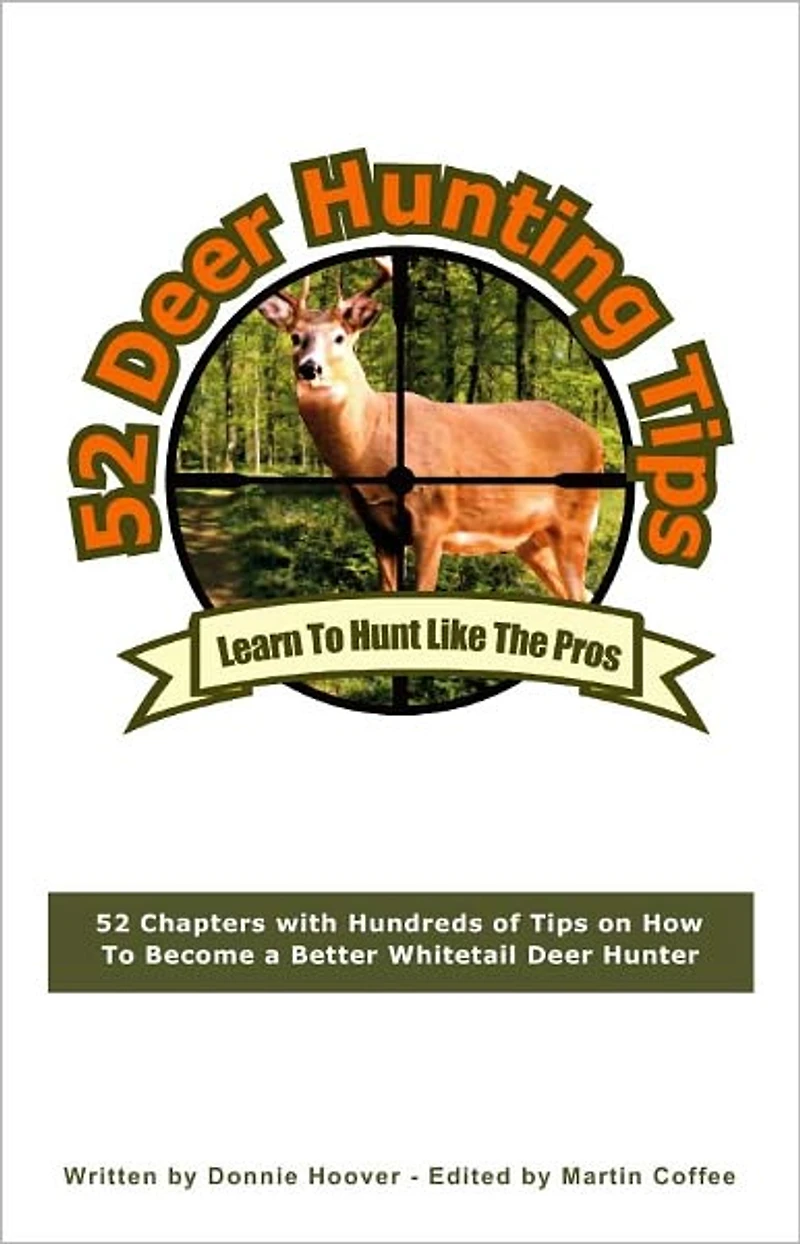
52 Deer Hunting Tips in Bloomington, MN
By Barnes & Noble
Current price: $9.99

52 Deer Hunting Tips in Bloomington, MN
Current price: $9.99
Loading Inventory...
Size: EBook
52 Deer Hunting Tips is 52 chapters with hundreds of deer hunting tips to help you become a better whitetail deer hunter. This book is set up in easy to follow chapters that anybody can use to land the trophy buck of their dreams. Here is a preview of what's in the first 20 chapters:Section IChapter 1: A Head Start To The Hunt • Tip #1: Know When to Hunt• Tip #2: Know What to Wear• Tip #3: Know Where to Look for Deer• Tip #4: Getting Started• Tip #5: Common Mistakes and MisconceptionsChapter 2: Legal Issues • Tip #1: Licensing• Tip #2: Regulations• Tip #3: Tagging• Tip #4: Reporting• Tip #5: The Laws in Your StateChapter 3: Hunting Safety• Tip #1 Be Prepared Going In• Tip #2 Don’t Become a Target• Tip #3 Tips for a Safe Hunt• Tip #4 Common Accidents and PreventionChapter 4: Defining Your Dream Trophy Buck• Tip #1 Trophy Traits and Characteristics• Tip #2 The Biological Difference• Tip #3 Boone and Crockett Scoring• Tip #4 Pope and Young Scoring• Tip #5 Trophy Bucks and Wildlife ManagementSection IIChapter 5: How Deer Communicate• Tip #1 Visual Communication• Tip #2 Vocal Communications• Tip #3 Communications via Smell• Tip #4 Harvesting Glandular ScentChapter 6: Understanding Bedding And Sleeping Behaviors• Tip #1 How Deer Sleep• Tip #2 Preferred Bedding Areas• Tip #3 Recognizing Trophy Buck Beds• Tip #4 Hunting Strategies for Bedding AreasChapter 7: Understanding The Rut• Tip #1 Hunting the Pre-Rut• Tip #2 Hunting During the Rut• Tip #3 The “Second” Rut• Tip #4 Timing the RutChapter 8: Understanding The Effects Of Wind• Tip #1 Understanding Thermal Air Currents• Tip #2 How Deer Respond to Wind• Tip #3 Prevailing Winds and your Tree Stand• Tip #4 Taking Advantage of StormsChapter 9: The Effects Of Weather• Tip #1 The Moon• Tip #2 Heat• Tip #3 Rain• Tip #4 Snow• Tip #5 General Strategies For Inclement WeatherSection IIIChapter 10: Scouting Basics • Tip #1 Preseason Scouting• Tip #2 Scouting Made Easy• Tip #3 Look for Key Things• Tip #4 Recognizing a Scrape• Tip #5 Recognizing a RubChapter 11: More Scouting Tips• Tip #1 Recognizing Bedding Areas• Tip #2 Using Rain or Snow to Track Deer• Tip #3 Keeping RecordsChapter 12: Advanced Scouting Techniques• Tip #1 Using Topographical Maps• Tip #2 Learning from Tracks• Tip #3 The Poop on ScatChapter 13: Finding Early Season Bucks• Tip #1 How The Change Of Season Affects Deer Behavior• Tip #2 Hot Spots: Where to Look• Tip #3 Do your Homework• Tip #4 Soft Mast• Tip #5 Spider WebsSection IVChapter 14: Choosing The Right Weapons• Tip #1 Modern Firearms• Tip #2 Muzzleloaders• Tip#3 Archery & Bow Hunting• Tip #4 What you Should KnowChapter 15: Gun Safety • Tip #1 The Basics• Tip #2 Safe Storage and Transport• Tip #3 Safe Shooting• Tip #4 Tree Stand SafetyChapter 16: Help With Modern Firearms• Tip #1 Determining Which Type Of Gun Is Right For You• Tip #2 Shooting Advice From Experienced Hunters• Tip #3 Gun Maintenance Tips• Tip #4 What to Look for in a Used GunChapter 17: Hunting With A Muzzleloader• Tip #1 Types of Muzzleloaders• Tip #2 The Advantages of Muzzleloaders over Firearms• Tip #3 Disadvantages of Muzzleloaders• Tip #4 Tips and Tricks for MuzzleloadersChapter 18: The Basics Of Bowhunting• Tip #1 Getting Started• Tip #2 Helpful Accessories• Tip #3 Bowhunting Tips• Tip #4 Basic Maintenance TipsChapter 19: Advanced Archery Tips• Tip #1 Fletching• Tip #2 Effects of Kinetic Energy and Draw Weight• Tip #3 How Much Bow Is Too Much?• Tip #4 Sighting In• Tip #5 Speeding Up your ShotSection VChapter 20: Glassing And Optics• Tip #1 Types of Optics• Tip #2 Understanding Optics• Tip #3 Tips and Tricks for Glassing
52 Deer Hunting Tips is 52 chapters with hundreds of deer hunting tips to help you become a better whitetail deer hunter. This book is set up in easy to follow chapters that anybody can use to land the trophy buck of their dreams. Here is a preview of what's in the first 20 chapters:Section IChapter 1: A Head Start To The Hunt • Tip #1: Know When to Hunt• Tip #2: Know What to Wear• Tip #3: Know Where to Look for Deer• Tip #4: Getting Started• Tip #5: Common Mistakes and MisconceptionsChapter 2: Legal Issues • Tip #1: Licensing• Tip #2: Regulations• Tip #3: Tagging• Tip #4: Reporting• Tip #5: The Laws in Your StateChapter 3: Hunting Safety• Tip #1 Be Prepared Going In• Tip #2 Don’t Become a Target• Tip #3 Tips for a Safe Hunt• Tip #4 Common Accidents and PreventionChapter 4: Defining Your Dream Trophy Buck• Tip #1 Trophy Traits and Characteristics• Tip #2 The Biological Difference• Tip #3 Boone and Crockett Scoring• Tip #4 Pope and Young Scoring• Tip #5 Trophy Bucks and Wildlife ManagementSection IIChapter 5: How Deer Communicate• Tip #1 Visual Communication• Tip #2 Vocal Communications• Tip #3 Communications via Smell• Tip #4 Harvesting Glandular ScentChapter 6: Understanding Bedding And Sleeping Behaviors• Tip #1 How Deer Sleep• Tip #2 Preferred Bedding Areas• Tip #3 Recognizing Trophy Buck Beds• Tip #4 Hunting Strategies for Bedding AreasChapter 7: Understanding The Rut• Tip #1 Hunting the Pre-Rut• Tip #2 Hunting During the Rut• Tip #3 The “Second” Rut• Tip #4 Timing the RutChapter 8: Understanding The Effects Of Wind• Tip #1 Understanding Thermal Air Currents• Tip #2 How Deer Respond to Wind• Tip #3 Prevailing Winds and your Tree Stand• Tip #4 Taking Advantage of StormsChapter 9: The Effects Of Weather• Tip #1 The Moon• Tip #2 Heat• Tip #3 Rain• Tip #4 Snow• Tip #5 General Strategies For Inclement WeatherSection IIIChapter 10: Scouting Basics • Tip #1 Preseason Scouting• Tip #2 Scouting Made Easy• Tip #3 Look for Key Things• Tip #4 Recognizing a Scrape• Tip #5 Recognizing a RubChapter 11: More Scouting Tips• Tip #1 Recognizing Bedding Areas• Tip #2 Using Rain or Snow to Track Deer• Tip #3 Keeping RecordsChapter 12: Advanced Scouting Techniques• Tip #1 Using Topographical Maps• Tip #2 Learning from Tracks• Tip #3 The Poop on ScatChapter 13: Finding Early Season Bucks• Tip #1 How The Change Of Season Affects Deer Behavior• Tip #2 Hot Spots: Where to Look• Tip #3 Do your Homework• Tip #4 Soft Mast• Tip #5 Spider WebsSection IVChapter 14: Choosing The Right Weapons• Tip #1 Modern Firearms• Tip #2 Muzzleloaders• Tip#3 Archery & Bow Hunting• Tip #4 What you Should KnowChapter 15: Gun Safety • Tip #1 The Basics• Tip #2 Safe Storage and Transport• Tip #3 Safe Shooting• Tip #4 Tree Stand SafetyChapter 16: Help With Modern Firearms• Tip #1 Determining Which Type Of Gun Is Right For You• Tip #2 Shooting Advice From Experienced Hunters• Tip #3 Gun Maintenance Tips• Tip #4 What to Look for in a Used GunChapter 17: Hunting With A Muzzleloader• Tip #1 Types of Muzzleloaders• Tip #2 The Advantages of Muzzleloaders over Firearms• Tip #3 Disadvantages of Muzzleloaders• Tip #4 Tips and Tricks for MuzzleloadersChapter 18: The Basics Of Bowhunting• Tip #1 Getting Started• Tip #2 Helpful Accessories• Tip #3 Bowhunting Tips• Tip #4 Basic Maintenance TipsChapter 19: Advanced Archery Tips• Tip #1 Fletching• Tip #2 Effects of Kinetic Energy and Draw Weight• Tip #3 How Much Bow Is Too Much?• Tip #4 Sighting In• Tip #5 Speeding Up your ShotSection VChapter 20: Glassing And Optics• Tip #1 Types of Optics• Tip #2 Understanding Optics• Tip #3 Tips and Tricks for Glassing
Shop Similar Products










Find at Mall of America® in Bloomington, MN
Visit at Mall of America® in Bloomington, MN