


Home
1910: The Emancipation of Dissonance
Barnes and Noble
Loading Inventory...
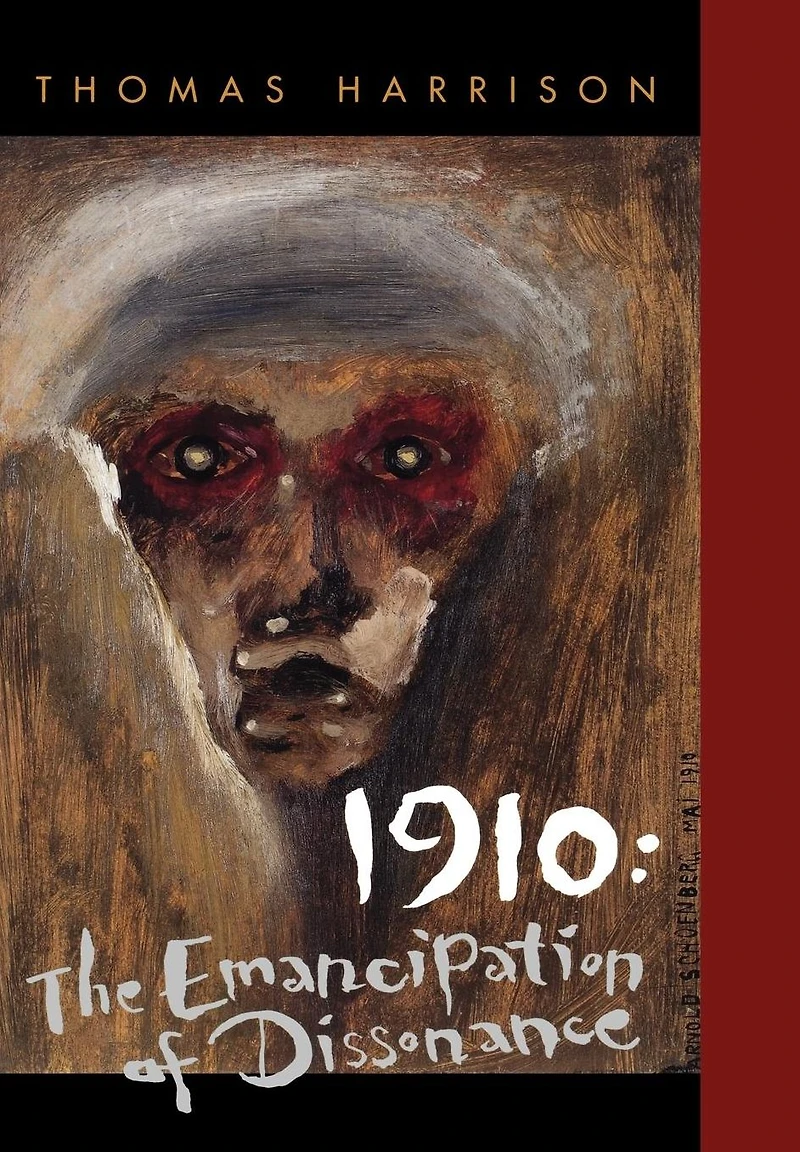
1910: The Emancipation of Dissonance in Bloomington, MN
By Barnes & Noble
Current price: $63.00

1910: The Emancipation of Dissonance in Bloomington, MN
Current price: $63.00
Loading Inventory...
Size: EBook
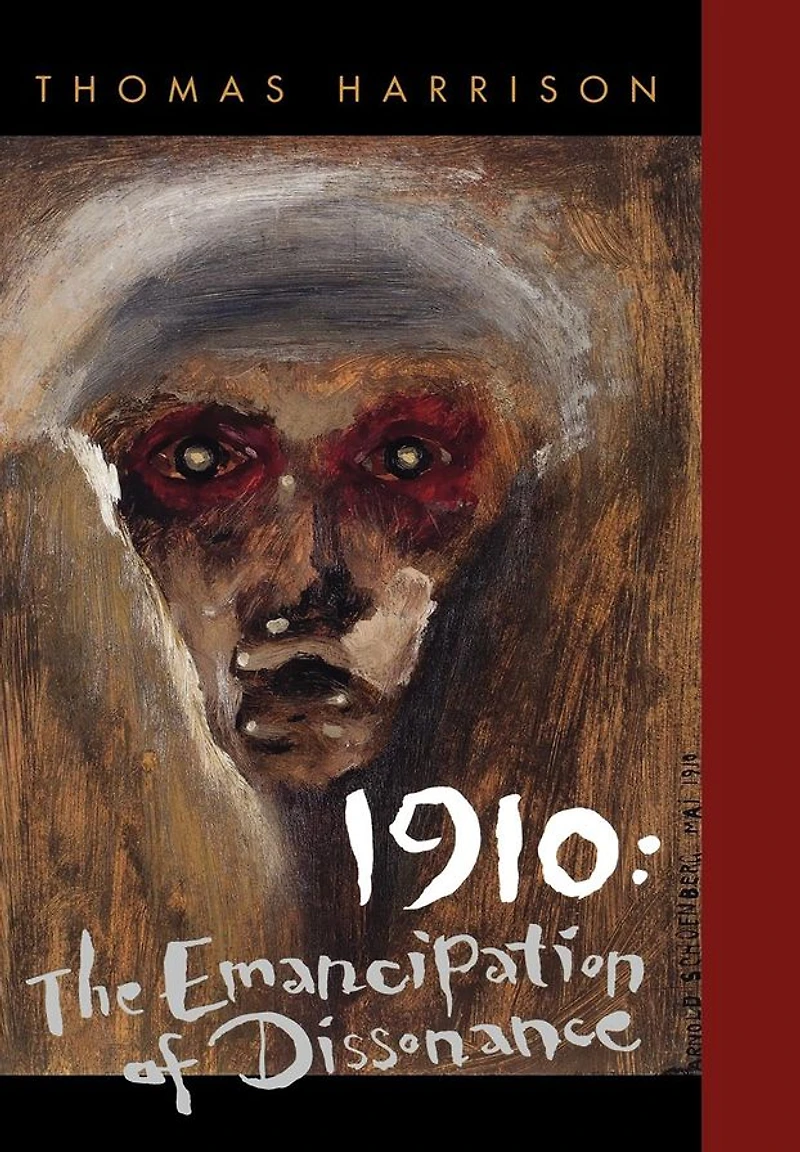
The year 1910 marks an astonishing, and largely unrecognized, juncture in Western history. In this perceptive interdisciplinary analysis, Thomas Harrison addresses the extraordinary intellectual achievement of the time. Focusing on the cultural climate of Middle Europe and paying particular attention to the life and work of Carlo Michelstaedter, he deftly portrays the reciprocal implications of different discourses—philosophy, literature, sociology, music, and painting. His beautifully balanced and deeply informed study provides a new, wider, and more ambitious definition of expressionism and shows the significance of this movement in shaping the artistic and intellectual mood of the age.1910 probes the recurrent themes and obsessions in the work of intellectuals as diverse as Egon Schiele, Georg Trakl, Vasily Kandinsky, Georg Lukàcs, Georg Simmel, Dino Campana, and Arnold Schoenberg. Together with Michelstaedter, who committed suicide in 1910 at the age of 23, these thinkers shared the essential concerns of expressionism: a sense of irresolvable conflict in human existence, the philosophical status of death, and a quest for the nature of human subjectivity. Expressionism, Harrison argues provocatively, was a last, desperate attempt by the intelligentsia to defend some of the most venerable assumptions of European culture. This ideological desperation, he claims, was more than a spiritual prelude to World War I: it was an unheeded, prophetic critique.
The year 1910 marks an astonishing, and largely unrecognized, juncture in Western history. In this perceptive interdisciplinary analysis, Thomas Harrison addresses the extraordinary intellectual achievement of the time. Focusing on the cultural climate of Middle Europe and paying particular attention to the life and work of Carlo Michelstaedter, he deftly portrays the reciprocal implications of different discourses—philosophy, literature, sociology, music, and painting. His beautifully balanced and deeply informed study provides a new, wider, and more ambitious definition of expressionism and shows the significance of this movement in shaping the artistic and intellectual mood of the age.1910 probes the recurrent themes and obsessions in the work of intellectuals as diverse as Egon Schiele, Georg Trakl, Vasily Kandinsky, Georg Lukàcs, Georg Simmel, Dino Campana, and Arnold Schoenberg. Together with Michelstaedter, who committed suicide in 1910 at the age of 23, these thinkers shared the essential concerns of expressionism: a sense of irresolvable conflict in human existence, the philosophical status of death, and a quest for the nature of human subjectivity. Expressionism, Harrison argues provocatively, was a last, desperate attempt by the intelligentsia to defend some of the most venerable assumptions of European culture. This ideological desperation, he claims, was more than a spiritual prelude to World War I: it was an unheeded, prophetic critique.
Shop Similar Products











Find at Mall of America® in Bloomington, MN
Visit at Mall of America® in Bloomington, MN