


Home
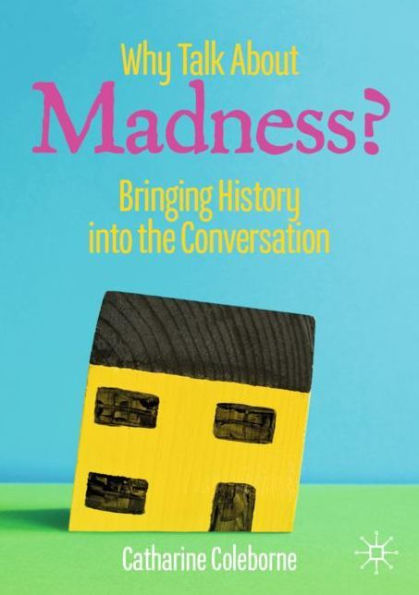
Why Talk About Madness?: Bringing History into the Conversation
Barnes and Noble
Loading Inventory...
Why Talk About Madness?: Bringing History into the Conversation in Bloomington, MN
Current price: $32.99

Why Talk About Madness?: Bringing History into the Conversation in Bloomington, MN
Current price: $32.99
Loading Inventory...
Size: Paperback
This short book argues for the relevance of historical perspectives on mental health, exploring how these histories can and should inform debates about mental healthcare today. Why is it important to study the history of madness? What does it mean to voice these histories? What can these tell us about the challenges and legacies of mental health care across the world today? Offering an intervention into new ways of thinking – and talking – about ‘mad’ history, Catharine Coleborne explores the social and cultural impact of the history of the mad movement, self-help and mental health consumer advocacy from the 1960s inside a longer tradition of ‘writing madness’. Starting with a brief history of the relevance of first-person accounts, then looking at the significance of other ways of representing the psychiatric ‘patient’, ‘survivor’ or ‘consumer’ over time, this book aims to escape from dominant modes of writing about the asylum.
This short book argues for the relevance of historical perspectives on mental health, exploring how these histories can and should inform debates about mental healthcare today. Why is it important to study the history of madness? What does it mean to voice these histories? What can these tell us about the challenges and legacies of mental health care across the world today? Offering an intervention into new ways of thinking – and talking – about ‘mad’ history, Catharine Coleborne explores the social and cultural impact of the history of the mad movement, self-help and mental health consumer advocacy from the 1960s inside a longer tradition of ‘writing madness’. Starting with a brief history of the relevance of first-person accounts, then looking at the significance of other ways of representing the psychiatric ‘patient’, ‘survivor’ or ‘consumer’ over time, this book aims to escape from dominant modes of writing about the asylum.
Shop Similar Products
















Find at Mall of America® in Bloomington, MN
Visit at Mall of America® in Bloomington, MN