


Home
Wesley and the Anglicans: Political Division Early Evangelicalism
Barnes and Noble
Loading Inventory...
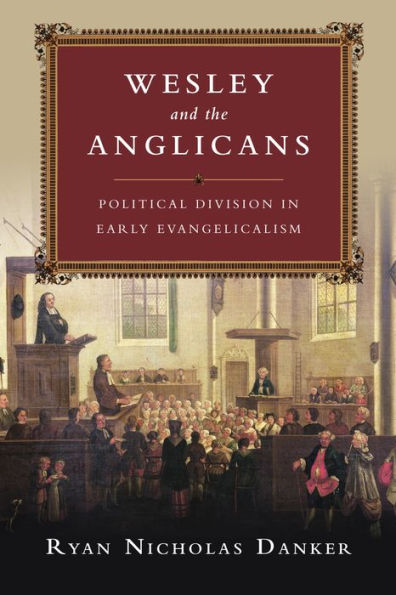
Wesley and the Anglicans: Political Division Early Evangelicalism in Bloomington, MN
Current price: $32.99

Wesley and the Anglicans: Political Division Early Evangelicalism in Bloomington, MN
Current price: $32.99
Loading Inventory...
Size: Paperback
Why did the Wesleyan Methodists and the Anglican evangelicals divide during the middle of the eighteenth century? Many would argue that the division between them was based narrowly on theological matters, especially predestination and perfection. Ryan Danker suggests, however, that politics was a major factor throughout, driving the Wesleyan Methodists and Anglican evangelicals apart. Methodism was perceived to be linked with the radical and seditious politics of the Cromwellian period. This was a charged claim in a post-Restoration England. Likewise Danker explores the political force of resurgent Tory influence under George III, which exerted more pressure on evangelicals to prove their loyalty to the Establishment. These political realities made it hard for evangelicals in the Church of England to cooperate with Wesley and meant that all their theological debates were politically inflected. Rich in detail, here is a book for all who seek deeper insight into a critical juncture in the development of evangelicalism and early Methodism.
Why did the Wesleyan Methodists and the Anglican evangelicals divide during the middle of the eighteenth century? Many would argue that the division between them was based narrowly on theological matters, especially predestination and perfection. Ryan Danker suggests, however, that politics was a major factor throughout, driving the Wesleyan Methodists and Anglican evangelicals apart. Methodism was perceived to be linked with the radical and seditious politics of the Cromwellian period. This was a charged claim in a post-Restoration England. Likewise Danker explores the political force of resurgent Tory influence under George III, which exerted more pressure on evangelicals to prove their loyalty to the Establishment. These political realities made it hard for evangelicals in the Church of England to cooperate with Wesley and meant that all their theological debates were politically inflected. Rich in detail, here is a book for all who seek deeper insight into a critical juncture in the development of evangelicalism and early Methodism.
Shop Similar Products








Find at Mall of America® in Bloomington, MN
Visit at Mall of America® in Bloomington, MN