


Home
The Thematic Unity of the Book of the Twelve
Barnes and Noble
Loading Inventory...
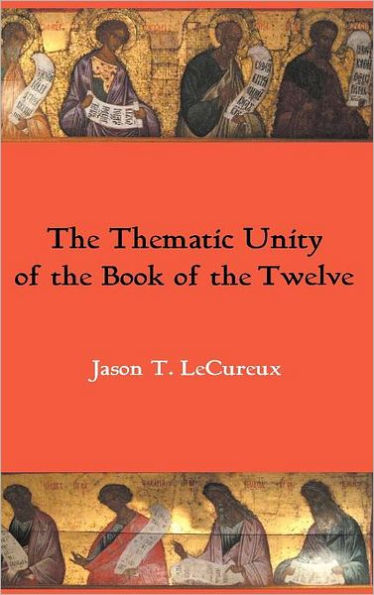
The Thematic Unity of the Book of the Twelve in Bloomington, MN
Current price: $120.00

The Thematic Unity of the Book of the Twelve in Bloomington, MN
Current price: $120.00
Loading Inventory...
Size: OS
'Return to me', declares Yhwh of Hosts, 'and I will return to you', declares Yhwh of Hosts. The sentence stands at the head of the prophecy of Zechariah (1.3). But what does it mean to 'return to Yhwh'? And what does it mean that Yhwh 'will return to you'? LeCureux argues that it is this call to repentance, and Yhwh's responses to it, that form the unifying and organizing theme of return for the Book of the Twelve. While studies on the development and composition of the Twelve have proved fruitful in recent years, this book attempts to expand on those works by looking closely at the final form of the Twelve, particularly of its opening and closing books (Hosea-Joel, Zechariah-Malachi), and the role that canonical position and theme play within the Book. This project begins by defining the function of theme in biblical books, and then compares the role theme plays in Isaiah with its role in the Twelve, before engaging in the primary task of exegesis. LeCureux examines the use of 'return' in the Twelve, showing that it is the call to return that controls the events of the Day of Yhwh. Going further, the exegesis uncovers the links between the return imperatives of Hosea 14, Joel 2, Zechariah's own calls to return and Malachi's concluding question, 'How are we to return?'(3.7). What is ultimately revealed is the multifaceted nature of God's relationship with his people, one that involves the people's struggle to turn from covenantal disobedience toward Yhwh in repentance, as well as Yhwh's own turning from judgment toward his people in blessing.
'Return to me', declares Yhwh of Hosts, 'and I will return to you', declares Yhwh of Hosts. The sentence stands at the head of the prophecy of Zechariah (1.3). But what does it mean to 'return to Yhwh'? And what does it mean that Yhwh 'will return to you'? LeCureux argues that it is this call to repentance, and Yhwh's responses to it, that form the unifying and organizing theme of return for the Book of the Twelve. While studies on the development and composition of the Twelve have proved fruitful in recent years, this book attempts to expand on those works by looking closely at the final form of the Twelve, particularly of its opening and closing books (Hosea-Joel, Zechariah-Malachi), and the role that canonical position and theme play within the Book. This project begins by defining the function of theme in biblical books, and then compares the role theme plays in Isaiah with its role in the Twelve, before engaging in the primary task of exegesis. LeCureux examines the use of 'return' in the Twelve, showing that it is the call to return that controls the events of the Day of Yhwh. Going further, the exegesis uncovers the links between the return imperatives of Hosea 14, Joel 2, Zechariah's own calls to return and Malachi's concluding question, 'How are we to return?'(3.7). What is ultimately revealed is the multifaceted nature of God's relationship with his people, one that involves the people's struggle to turn from covenantal disobedience toward Yhwh in repentance, as well as Yhwh's own turning from judgment toward his people in blessing.
Shop Similar Products












Find at Mall of America® in Bloomington, MN
Visit at Mall of America® in Bloomington, MN