


Home
The Qur'an and The Orientalist: An examination of their main theories and assumptions
Barnes and Noble
Loading Inventory...
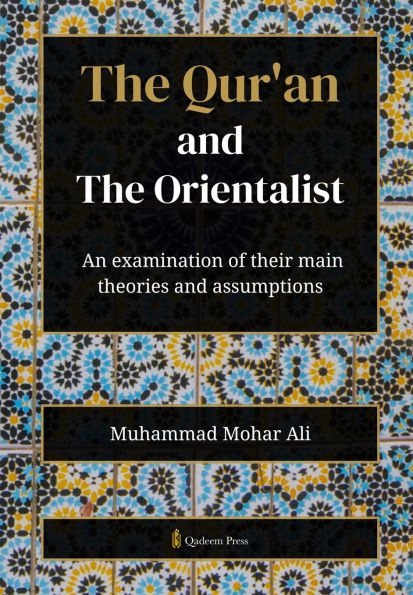
The Qur'an and The Orientalist: An examination of their main theories and assumptions in Bloomington, MN
Current price: $29.99

The Qur'an and The Orientalist: An examination of their main theories and assumptions in Bloomington, MN
Current price: $29.99
Loading Inventory...
Size: OS
In "
The Qur'ân and the Orientalists: An Examination of Their Main Theories and Assumptions
,"
Muhammad Mohar Ali
presents a meticulous critique of Western scholarly interpretations of the Qur'an, offering a compelling Islamic perspective that challenges prevailing Orientalist views. This scholarly work delves deep into the methodologies and assumptions of Orientalist scholars, scrutinizing their approaches to the Qur'an and providing alternative insights rooted in Islamic tradition.
Ali's journey into this exploration began with a profound realization of how Orientalist narratives often cast shadows on the Qur'an, reflecting biases that obscure its true essence. Drawing from his extensive research and prior writings, Ali consolidates his findings into a comprehensive examination divided into three parts.
Part I
addresses allegations regarding the
authorship of the Qur'an
attributed to Prophet Muhammad, scrutinizing claims of ambition, literary influences, and alleged borrowings from Judeo-Christian sources. Ali systematically dismantles these assumptions, highlighting inconsistencies and biases inherent in Orientalist scholarship.
Part II
delves into Orientalist perspectives on the Qur'anic revelation (
wahy
), dissecting theories proposed by notable scholars like
Muir
,
Margoliouth
Bell
, and
Watt
. Ali meticulously examines their assertions, revealing flaws and offering counterarguments grounded in Islamic theological discourse.
Part III
explores Orientalist theories concerning the
history
and
textual integrity
of the Qur'an, from
Nöldeke's
foundational assumptions to contemporary revisionist perspectives. Ali critically evaluates these theories, highlighting their implications for understanding the Qur'an's linguistic nuances and textual transmission.
Throughout the book, Ali maintains a rigorous scholarly approach, engaging with primary texts, linguistic studies, and theological debates to substantiate his critiques. His work is not merely reactive but proactive, aiming to provide a balanced Islamic perspective that enriches scholarly discourse and fosters deeper intercultural understanding.
"The Qur'ân and the Orientalists"
is not just a scholarly critique; it is a testament to Ali's dedication to elucidating the Qur'an's meanings and defending its integrity against Western academic scrutiny. It stands as an essential resource for students, scholars, and anyone seeking to grasp the complexities of Qur'anic interpretation from both Western and Islamic perspectives.
This book is a timely contribution to ongoing dialogues on Islam and Orientalism, inviting readers to reconsider entrenched perceptions and engage in a more nuanced understanding of the Qur'an's role in Islamic theology and global intellectual discourse. Ali's meticulous analysis and profound insights make this work indispensable for anyone interested in the intersection of Western and Islamic intellectual traditions.
promises not just an examination of theories but a journey toward deeper appreciation and comprehension of one of the world's most revered scriptures, from a perspective deeply rooted in Islamic scholarship and tradition.
The Qur'ân and the Orientalists: An Examination of Their Main Theories and Assumptions
,"
Muhammad Mohar Ali
presents a meticulous critique of Western scholarly interpretations of the Qur'an, offering a compelling Islamic perspective that challenges prevailing Orientalist views. This scholarly work delves deep into the methodologies and assumptions of Orientalist scholars, scrutinizing their approaches to the Qur'an and providing alternative insights rooted in Islamic tradition.
Ali's journey into this exploration began with a profound realization of how Orientalist narratives often cast shadows on the Qur'an, reflecting biases that obscure its true essence. Drawing from his extensive research and prior writings, Ali consolidates his findings into a comprehensive examination divided into three parts.
Part I
addresses allegations regarding the
authorship of the Qur'an
attributed to Prophet Muhammad, scrutinizing claims of ambition, literary influences, and alleged borrowings from Judeo-Christian sources. Ali systematically dismantles these assumptions, highlighting inconsistencies and biases inherent in Orientalist scholarship.
Part II
delves into Orientalist perspectives on the Qur'anic revelation (
wahy
), dissecting theories proposed by notable scholars like
Muir
,
Margoliouth
Bell
, and
Watt
. Ali meticulously examines their assertions, revealing flaws and offering counterarguments grounded in Islamic theological discourse.
Part III
explores Orientalist theories concerning the
history
and
textual integrity
of the Qur'an, from
Nöldeke's
foundational assumptions to contemporary revisionist perspectives. Ali critically evaluates these theories, highlighting their implications for understanding the Qur'an's linguistic nuances and textual transmission.
Throughout the book, Ali maintains a rigorous scholarly approach, engaging with primary texts, linguistic studies, and theological debates to substantiate his critiques. His work is not merely reactive but proactive, aiming to provide a balanced Islamic perspective that enriches scholarly discourse and fosters deeper intercultural understanding.
"The Qur'ân and the Orientalists"
is not just a scholarly critique; it is a testament to Ali's dedication to elucidating the Qur'an's meanings and defending its integrity against Western academic scrutiny. It stands as an essential resource for students, scholars, and anyone seeking to grasp the complexities of Qur'anic interpretation from both Western and Islamic perspectives.
This book is a timely contribution to ongoing dialogues on Islam and Orientalism, inviting readers to reconsider entrenched perceptions and engage in a more nuanced understanding of the Qur'an's role in Islamic theology and global intellectual discourse. Ali's meticulous analysis and profound insights make this work indispensable for anyone interested in the intersection of Western and Islamic intellectual traditions.
promises not just an examination of theories but a journey toward deeper appreciation and comprehension of one of the world's most revered scriptures, from a perspective deeply rooted in Islamic scholarship and tradition.
In "
The Qur'ân and the Orientalists: An Examination of Their Main Theories and Assumptions
,"
Muhammad Mohar Ali
presents a meticulous critique of Western scholarly interpretations of the Qur'an, offering a compelling Islamic perspective that challenges prevailing Orientalist views. This scholarly work delves deep into the methodologies and assumptions of Orientalist scholars, scrutinizing their approaches to the Qur'an and providing alternative insights rooted in Islamic tradition.
Ali's journey into this exploration began with a profound realization of how Orientalist narratives often cast shadows on the Qur'an, reflecting biases that obscure its true essence. Drawing from his extensive research and prior writings, Ali consolidates his findings into a comprehensive examination divided into three parts.
Part I
addresses allegations regarding the
authorship of the Qur'an
attributed to Prophet Muhammad, scrutinizing claims of ambition, literary influences, and alleged borrowings from Judeo-Christian sources. Ali systematically dismantles these assumptions, highlighting inconsistencies and biases inherent in Orientalist scholarship.
Part II
delves into Orientalist perspectives on the Qur'anic revelation (
wahy
), dissecting theories proposed by notable scholars like
Muir
,
Margoliouth
Bell
, and
Watt
. Ali meticulously examines their assertions, revealing flaws and offering counterarguments grounded in Islamic theological discourse.
Part III
explores Orientalist theories concerning the
history
and
textual integrity
of the Qur'an, from
Nöldeke's
foundational assumptions to contemporary revisionist perspectives. Ali critically evaluates these theories, highlighting their implications for understanding the Qur'an's linguistic nuances and textual transmission.
Throughout the book, Ali maintains a rigorous scholarly approach, engaging with primary texts, linguistic studies, and theological debates to substantiate his critiques. His work is not merely reactive but proactive, aiming to provide a balanced Islamic perspective that enriches scholarly discourse and fosters deeper intercultural understanding.
"The Qur'ân and the Orientalists"
is not just a scholarly critique; it is a testament to Ali's dedication to elucidating the Qur'an's meanings and defending its integrity against Western academic scrutiny. It stands as an essential resource for students, scholars, and anyone seeking to grasp the complexities of Qur'anic interpretation from both Western and Islamic perspectives.
This book is a timely contribution to ongoing dialogues on Islam and Orientalism, inviting readers to reconsider entrenched perceptions and engage in a more nuanced understanding of the Qur'an's role in Islamic theology and global intellectual discourse. Ali's meticulous analysis and profound insights make this work indispensable for anyone interested in the intersection of Western and Islamic intellectual traditions.
promises not just an examination of theories but a journey toward deeper appreciation and comprehension of one of the world's most revered scriptures, from a perspective deeply rooted in Islamic scholarship and tradition.
The Qur'ân and the Orientalists: An Examination of Their Main Theories and Assumptions
,"
Muhammad Mohar Ali
presents a meticulous critique of Western scholarly interpretations of the Qur'an, offering a compelling Islamic perspective that challenges prevailing Orientalist views. This scholarly work delves deep into the methodologies and assumptions of Orientalist scholars, scrutinizing their approaches to the Qur'an and providing alternative insights rooted in Islamic tradition.
Ali's journey into this exploration began with a profound realization of how Orientalist narratives often cast shadows on the Qur'an, reflecting biases that obscure its true essence. Drawing from his extensive research and prior writings, Ali consolidates his findings into a comprehensive examination divided into three parts.
Part I
addresses allegations regarding the
authorship of the Qur'an
attributed to Prophet Muhammad, scrutinizing claims of ambition, literary influences, and alleged borrowings from Judeo-Christian sources. Ali systematically dismantles these assumptions, highlighting inconsistencies and biases inherent in Orientalist scholarship.
Part II
delves into Orientalist perspectives on the Qur'anic revelation (
wahy
), dissecting theories proposed by notable scholars like
Muir
,
Margoliouth
Bell
, and
Watt
. Ali meticulously examines their assertions, revealing flaws and offering counterarguments grounded in Islamic theological discourse.
Part III
explores Orientalist theories concerning the
history
and
textual integrity
of the Qur'an, from
Nöldeke's
foundational assumptions to contemporary revisionist perspectives. Ali critically evaluates these theories, highlighting their implications for understanding the Qur'an's linguistic nuances and textual transmission.
Throughout the book, Ali maintains a rigorous scholarly approach, engaging with primary texts, linguistic studies, and theological debates to substantiate his critiques. His work is not merely reactive but proactive, aiming to provide a balanced Islamic perspective that enriches scholarly discourse and fosters deeper intercultural understanding.
"The Qur'ân and the Orientalists"
is not just a scholarly critique; it is a testament to Ali's dedication to elucidating the Qur'an's meanings and defending its integrity against Western academic scrutiny. It stands as an essential resource for students, scholars, and anyone seeking to grasp the complexities of Qur'anic interpretation from both Western and Islamic perspectives.
This book is a timely contribution to ongoing dialogues on Islam and Orientalism, inviting readers to reconsider entrenched perceptions and engage in a more nuanced understanding of the Qur'an's role in Islamic theology and global intellectual discourse. Ali's meticulous analysis and profound insights make this work indispensable for anyone interested in the intersection of Western and Islamic intellectual traditions.
promises not just an examination of theories but a journey toward deeper appreciation and comprehension of one of the world's most revered scriptures, from a perspective deeply rooted in Islamic scholarship and tradition.
Shop Similar Products












Find at Mall of America® in Bloomington, MN
Visit at Mall of America® in Bloomington, MN