


Home
The Philosophy of Ralph Waldo Emerson
Barnes and Noble
Loading Inventory...
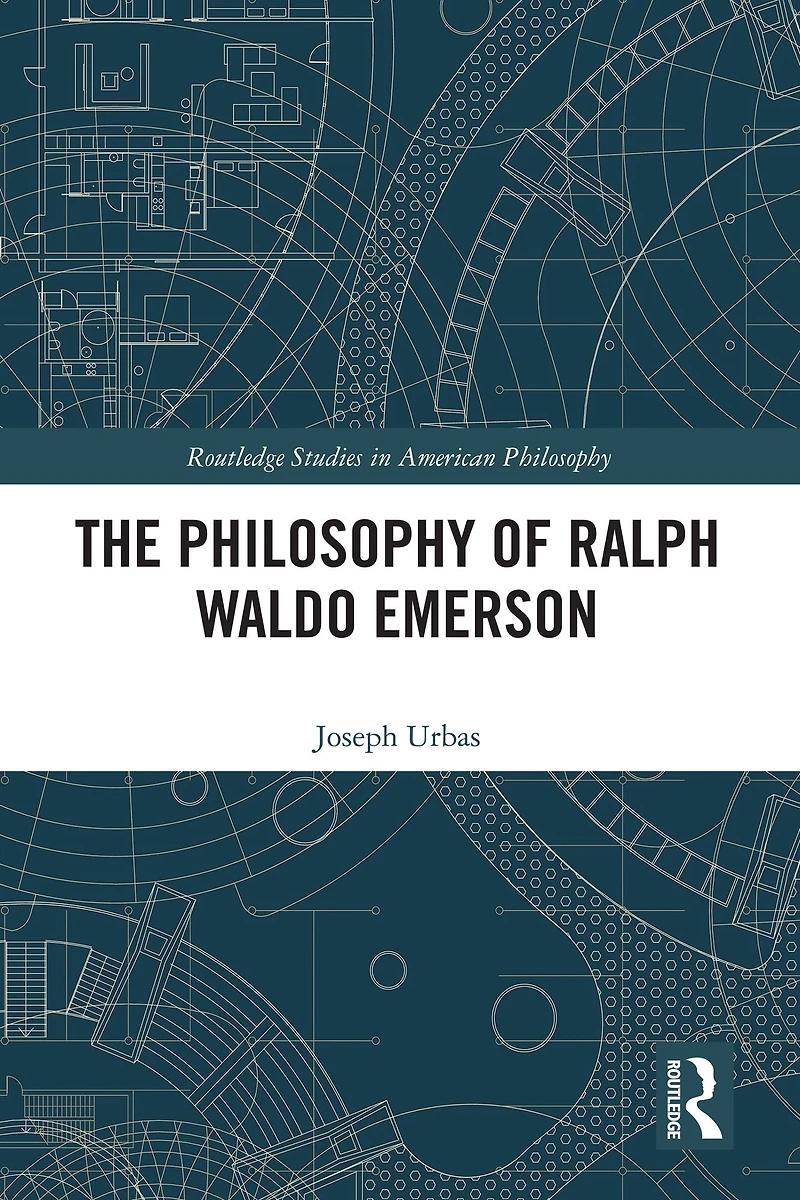
The Philosophy of Ralph Waldo Emerson in Bloomington, MN
By Barnes & Noble
Current price: $64.99

The Philosophy of Ralph Waldo Emerson in Bloomington, MN
Current price: $64.99
Loading Inventory...
Size: EBook
This study offers the first comprehensive account of Emerson's philosophy since his philosophical rehabilitation began in the late 1970s. It builds on the historical reconstruction proposed in the author's previous book, Emerson's Metaphysics, and like that study draws on the entire Emerson corpus—the poetry and sermons included. The aim here is expository. The overall though not exclusive emphasis is on identity, as the first term of Emerson's metaphysics of identity and flowing or metamorphosis. This metaphysics, or general conception of the nature of reality, is what grounds his epistemology and ethics, as well as his esthetic, religious, and political thought. Acknowledging its primacy enables a general account like this to avoid the anti-realist overemphasis on epistemology and language that has often characterized rehabilitation readings of his philosophy.After an initial chapter on Emerson's metaphysics, the subsequent chapters devoted to the other branches of his thought also begin with their "necessary foundation" in identity, which is the law of things and the law of mind alike. Perception of identity in metamorphosis is what characterizes the philosopher, the poet, the scientist, the reformer, and the man of faith and virtue. Identity of mind and world is felt in what Emerson calls the moral sentiment. Identity is Emerson's answer to the Sphinx-riddle of life experienced as a puzzling succession of facts and events.
This study offers the first comprehensive account of Emerson's philosophy since his philosophical rehabilitation began in the late 1970s. It builds on the historical reconstruction proposed in the author's previous book, Emerson's Metaphysics, and like that study draws on the entire Emerson corpus—the poetry and sermons included. The aim here is expository. The overall though not exclusive emphasis is on identity, as the first term of Emerson's metaphysics of identity and flowing or metamorphosis. This metaphysics, or general conception of the nature of reality, is what grounds his epistemology and ethics, as well as his esthetic, religious, and political thought. Acknowledging its primacy enables a general account like this to avoid the anti-realist overemphasis on epistemology and language that has often characterized rehabilitation readings of his philosophy.After an initial chapter on Emerson's metaphysics, the subsequent chapters devoted to the other branches of his thought also begin with their "necessary foundation" in identity, which is the law of things and the law of mind alike. Perception of identity in metamorphosis is what characterizes the philosopher, the poet, the scientist, the reformer, and the man of faith and virtue. Identity of mind and world is felt in what Emerson calls the moral sentiment. Identity is Emerson's answer to the Sphinx-riddle of life experienced as a puzzling succession of facts and events.
Shop Similar Products












Find at Mall of America® in Bloomington, MN
Visit at Mall of America® in Bloomington, MN