


Home
The Man of Feeling
Barnes and Noble
Loading Inventory...
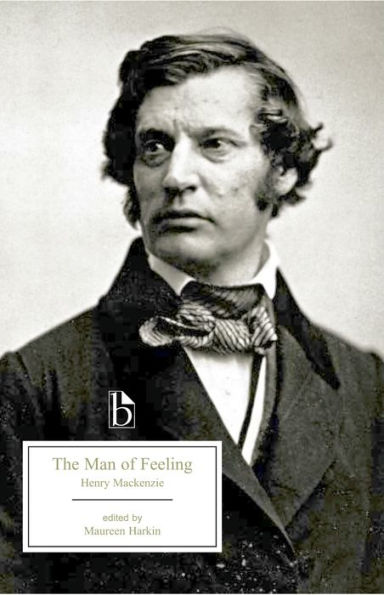
The Man of Feeling in Bloomington, MN
Current price: $19.75

The Man of Feeling in Bloomington, MN
Current price: $19.75
Loading Inventory...
Size: OS
The Man of Feeling
is unquestionably among the most important and influential works of eighteenth-century sentimental fiction. The novel follows Harley, the eponymous “man of feeling” and impoverished aristocrat, as he travels from his rural estate to London and back in a reluctant quest for financial advancement and more heartfelt quest for kindred spirits. In addition to presenting a remarkable gallery of characters, Harley’s story gives a profound sense of the historical changes transforming the economy, landscape, and social relations of eighteenth-century England and Scotland.
This Broadview edition’s critical introduction and rich selection of appendices situate
in the context of the period’s intellectual debates on sentiment, sympathy, and the novel. Contextual documents include contemporary reviews of the novel, selections from Mackenzie’s correspondence and journalism, and related contemporary writings by David Hume, Adam Smith, Sir Walter Scott, and Laurence Sterne.
is unquestionably among the most important and influential works of eighteenth-century sentimental fiction. The novel follows Harley, the eponymous “man of feeling” and impoverished aristocrat, as he travels from his rural estate to London and back in a reluctant quest for financial advancement and more heartfelt quest for kindred spirits. In addition to presenting a remarkable gallery of characters, Harley’s story gives a profound sense of the historical changes transforming the economy, landscape, and social relations of eighteenth-century England and Scotland.
This Broadview edition’s critical introduction and rich selection of appendices situate
in the context of the period’s intellectual debates on sentiment, sympathy, and the novel. Contextual documents include contemporary reviews of the novel, selections from Mackenzie’s correspondence and journalism, and related contemporary writings by David Hume, Adam Smith, Sir Walter Scott, and Laurence Sterne.
The Man of Feeling
is unquestionably among the most important and influential works of eighteenth-century sentimental fiction. The novel follows Harley, the eponymous “man of feeling” and impoverished aristocrat, as he travels from his rural estate to London and back in a reluctant quest for financial advancement and more heartfelt quest for kindred spirits. In addition to presenting a remarkable gallery of characters, Harley’s story gives a profound sense of the historical changes transforming the economy, landscape, and social relations of eighteenth-century England and Scotland.
This Broadview edition’s critical introduction and rich selection of appendices situate
in the context of the period’s intellectual debates on sentiment, sympathy, and the novel. Contextual documents include contemporary reviews of the novel, selections from Mackenzie’s correspondence and journalism, and related contemporary writings by David Hume, Adam Smith, Sir Walter Scott, and Laurence Sterne.
is unquestionably among the most important and influential works of eighteenth-century sentimental fiction. The novel follows Harley, the eponymous “man of feeling” and impoverished aristocrat, as he travels from his rural estate to London and back in a reluctant quest for financial advancement and more heartfelt quest for kindred spirits. In addition to presenting a remarkable gallery of characters, Harley’s story gives a profound sense of the historical changes transforming the economy, landscape, and social relations of eighteenth-century England and Scotland.
This Broadview edition’s critical introduction and rich selection of appendices situate
in the context of the period’s intellectual debates on sentiment, sympathy, and the novel. Contextual documents include contemporary reviews of the novel, selections from Mackenzie’s correspondence and journalism, and related contemporary writings by David Hume, Adam Smith, Sir Walter Scott, and Laurence Sterne.
Shop Similar Products

















Find at Mall of America® in Bloomington, MN
Visit at Mall of America® in Bloomington, MN