


Home
the Free and Independent: Trials, Temptations Triumphs of Parliamentary Elector
Barnes and Noble
Loading Inventory...
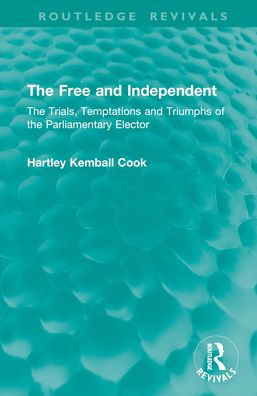
the Free and Independent: Trials, Temptations Triumphs of Parliamentary Elector in Bloomington, MN
Current price: $110.00
the Free and Independent: Trials, Temptations Triumphs of Parliamentary Elector in Bloomington, MN
Current price: $110.00
Loading Inventory...
Size: Hardcover
The Free and Independent
(1949) looks at Parliament from the point of view of the Elector rather than the Elected. After dealing with the early history of elections when the franchise was sometimes considered to be a nuisance rather than a privilege, it traces the recognition of the value of the franchise primarily because it secured certain advantages for towns and districts, but also because it was discovered that a vote could be sold often at a high price. It then considers the long struggle for reform and looks at the Crown and the elector, bribery and corruption, and female electors.
(1949) looks at Parliament from the point of view of the Elector rather than the Elected. After dealing with the early history of elections when the franchise was sometimes considered to be a nuisance rather than a privilege, it traces the recognition of the value of the franchise primarily because it secured certain advantages for towns and districts, but also because it was discovered that a vote could be sold often at a high price. It then considers the long struggle for reform and looks at the Crown and the elector, bribery and corruption, and female electors.
The Free and Independent
(1949) looks at Parliament from the point of view of the Elector rather than the Elected. After dealing with the early history of elections when the franchise was sometimes considered to be a nuisance rather than a privilege, it traces the recognition of the value of the franchise primarily because it secured certain advantages for towns and districts, but also because it was discovered that a vote could be sold often at a high price. It then considers the long struggle for reform and looks at the Crown and the elector, bribery and corruption, and female electors.
(1949) looks at Parliament from the point of view of the Elector rather than the Elected. After dealing with the early history of elections when the franchise was sometimes considered to be a nuisance rather than a privilege, it traces the recognition of the value of the franchise primarily because it secured certain advantages for towns and districts, but also because it was discovered that a vote could be sold often at a high price. It then considers the long struggle for reform and looks at the Crown and the elector, bribery and corruption, and female electors.
Shop Similar Products











Find at Mall of America® in Bloomington, MN
Visit at Mall of America® in Bloomington, MN