


Home
The Four Seasons Tapestries at Hatfield House
Barnes and Noble
Loading Inventory...
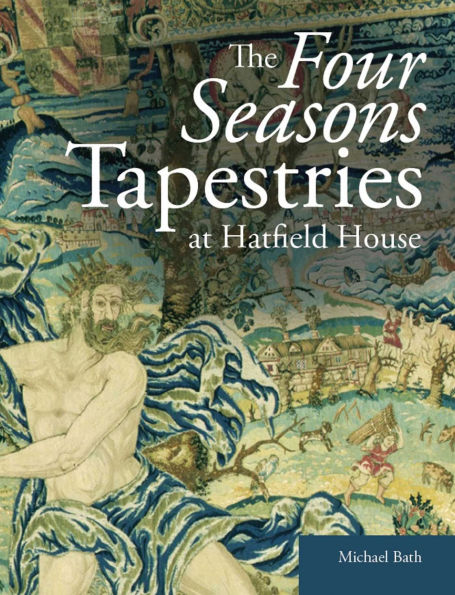
The Four Seasons Tapestries at Hatfield House in Bloomington, MN
Current price: $85.00
The Four Seasons Tapestries at Hatfield House in Bloomington, MN
Current price: $85.00
Loading Inventory...
Size: OS
Acknowledged as one of the most important sets of early English tapestries, the
Four Seasons
set at Hatfield House, Hertfordshire, raise many scholarly questions surrounding the design, production and uses of woven tapestry in sixteenth and early-seventeenth century England. Although their main subjects have long been known to copy a set of prints by Maarten de Vos, the 170 emblems with Latin inscriptions that fill their borders have never been fully described, or even listed, in the existing literature and it is only Professor Bath's identification of sources for more than 100 of these in Renaissance emblem books which now allows us not only to understand exactly what these emblems represent and what they mean, but also to draw some conclusions about the design process of early tapestries and the deeply embedded status of emblems in early-modern British culture.
Four Seasons
set at Hatfield House, Hertfordshire, raise many scholarly questions surrounding the design, production and uses of woven tapestry in sixteenth and early-seventeenth century England. Although their main subjects have long been known to copy a set of prints by Maarten de Vos, the 170 emblems with Latin inscriptions that fill their borders have never been fully described, or even listed, in the existing literature and it is only Professor Bath's identification of sources for more than 100 of these in Renaissance emblem books which now allows us not only to understand exactly what these emblems represent and what they mean, but also to draw some conclusions about the design process of early tapestries and the deeply embedded status of emblems in early-modern British culture.
Acknowledged as one of the most important sets of early English tapestries, the
Four Seasons
set at Hatfield House, Hertfordshire, raise many scholarly questions surrounding the design, production and uses of woven tapestry in sixteenth and early-seventeenth century England. Although their main subjects have long been known to copy a set of prints by Maarten de Vos, the 170 emblems with Latin inscriptions that fill their borders have never been fully described, or even listed, in the existing literature and it is only Professor Bath's identification of sources for more than 100 of these in Renaissance emblem books which now allows us not only to understand exactly what these emblems represent and what they mean, but also to draw some conclusions about the design process of early tapestries and the deeply embedded status of emblems in early-modern British culture.
Four Seasons
set at Hatfield House, Hertfordshire, raise many scholarly questions surrounding the design, production and uses of woven tapestry in sixteenth and early-seventeenth century England. Although their main subjects have long been known to copy a set of prints by Maarten de Vos, the 170 emblems with Latin inscriptions that fill their borders have never been fully described, or even listed, in the existing literature and it is only Professor Bath's identification of sources for more than 100 of these in Renaissance emblem books which now allows us not only to understand exactly what these emblems represent and what they mean, but also to draw some conclusions about the design process of early tapestries and the deeply embedded status of emblems in early-modern British culture.
Shop Similar Products












Find at Mall of America® in Bloomington, MN
Visit at Mall of America® in Bloomington, MN