


Home
The Black Rider
Barnes and Noble
Loading Inventory...
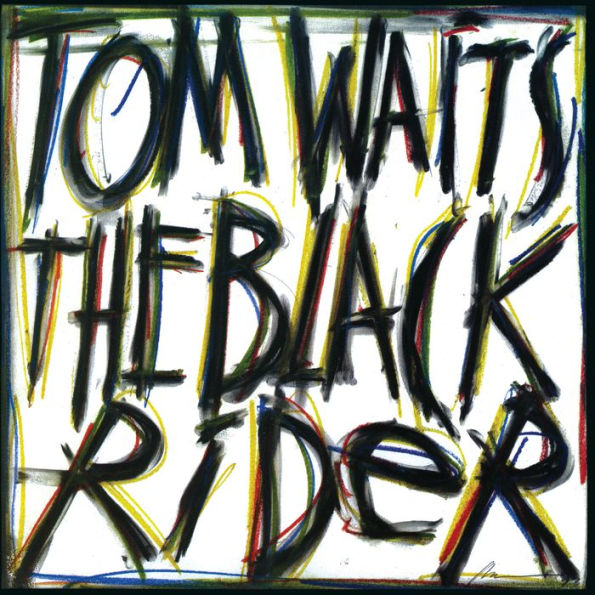

The Black Rider in Bloomington, MN
Current price: $12.59

The Black Rider in Bloomington, MN
Current price: $12.59
Loading Inventory...
Size: CD
Tom Waits
collaborated with director
Robert Wilson
and librettist
William Burroughs
on the musical stage work
The Black Rider
in 1990. A variation on the Faust legend, the 19th century German story allowed
Waits
to indulge his affection for the music of
Kurt Weill
and address one of his favorite topics of recent years, the devil.
had proven an excellent collaborator when he worked with director
Francis Ford Coppola
on
One from the Heart
, making that score an integral part of the film. Here, the collaboration and the established story line served to focus
' often fragmented attention, lending coherence and consistency. He then had three years to adapt the score into a record album in which he did most of the singing and writing (though
Burroughs
contributed, singing one song and writing lyrics to three), and he used the time to come up with a varied set of songs that work whether or not you know the show. (Seven of the 20 tracks were instrumentals.)
used the word "crude" to describe his working method several times in the liner notes, and a crude performing and recording style continued to appeal to him. But the kind of chaos that can sometimes result from that style was reined in by the bands he assembled in Germany and Los Angeles to record the score, so that the recordings were lively without being off-puttingly primitive. ~ William Ruhlmann
collaborated with director
Robert Wilson
and librettist
William Burroughs
on the musical stage work
The Black Rider
in 1990. A variation on the Faust legend, the 19th century German story allowed
Waits
to indulge his affection for the music of
Kurt Weill
and address one of his favorite topics of recent years, the devil.
had proven an excellent collaborator when he worked with director
Francis Ford Coppola
on
One from the Heart
, making that score an integral part of the film. Here, the collaboration and the established story line served to focus
' often fragmented attention, lending coherence and consistency. He then had three years to adapt the score into a record album in which he did most of the singing and writing (though
Burroughs
contributed, singing one song and writing lyrics to three), and he used the time to come up with a varied set of songs that work whether or not you know the show. (Seven of the 20 tracks were instrumentals.)
used the word "crude" to describe his working method several times in the liner notes, and a crude performing and recording style continued to appeal to him. But the kind of chaos that can sometimes result from that style was reined in by the bands he assembled in Germany and Los Angeles to record the score, so that the recordings were lively without being off-puttingly primitive. ~ William Ruhlmann
Tom Waits
collaborated with director
Robert Wilson
and librettist
William Burroughs
on the musical stage work
The Black Rider
in 1990. A variation on the Faust legend, the 19th century German story allowed
Waits
to indulge his affection for the music of
Kurt Weill
and address one of his favorite topics of recent years, the devil.
had proven an excellent collaborator when he worked with director
Francis Ford Coppola
on
One from the Heart
, making that score an integral part of the film. Here, the collaboration and the established story line served to focus
' often fragmented attention, lending coherence and consistency. He then had three years to adapt the score into a record album in which he did most of the singing and writing (though
Burroughs
contributed, singing one song and writing lyrics to three), and he used the time to come up with a varied set of songs that work whether or not you know the show. (Seven of the 20 tracks were instrumentals.)
used the word "crude" to describe his working method several times in the liner notes, and a crude performing and recording style continued to appeal to him. But the kind of chaos that can sometimes result from that style was reined in by the bands he assembled in Germany and Los Angeles to record the score, so that the recordings were lively without being off-puttingly primitive. ~ William Ruhlmann
collaborated with director
Robert Wilson
and librettist
William Burroughs
on the musical stage work
The Black Rider
in 1990. A variation on the Faust legend, the 19th century German story allowed
Waits
to indulge his affection for the music of
Kurt Weill
and address one of his favorite topics of recent years, the devil.
had proven an excellent collaborator when he worked with director
Francis Ford Coppola
on
One from the Heart
, making that score an integral part of the film. Here, the collaboration and the established story line served to focus
' often fragmented attention, lending coherence and consistency. He then had three years to adapt the score into a record album in which he did most of the singing and writing (though
Burroughs
contributed, singing one song and writing lyrics to three), and he used the time to come up with a varied set of songs that work whether or not you know the show. (Seven of the 20 tracks were instrumentals.)
used the word "crude" to describe his working method several times in the liner notes, and a crude performing and recording style continued to appeal to him. But the kind of chaos that can sometimes result from that style was reined in by the bands he assembled in Germany and Los Angeles to record the score, so that the recordings were lively without being off-puttingly primitive. ~ William Ruhlmann







![Easy Rider [Not Now]](https://prodimage.images-bn.com/pimages/5060397601339_p0_v1_s600x595.jpg)







Find at Mall of America® in Bloomington, MN
Visit at Mall of America® in Bloomington, MN