


Home
Taylor Techniques Myofascial Release and Treatment Strategies
Barnes and Noble
Loading Inventory...
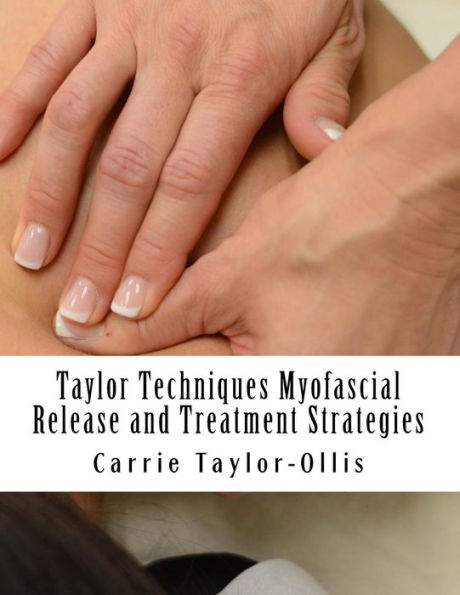
Taylor Techniques Myofascial Release and Treatment Strategies in Bloomington, MN
Current price: $85.00

Taylor Techniques Myofascial Release and Treatment Strategies in Bloomington, MN
Current price: $85.00
Loading Inventory...
Size: OS
The Taylor Myofascial program focuses on developing excellence in the palpation, assessment & treatment of many different types of connective tissue dysfunction. Therapists will spend time fine tuning their palpation skills, and their ability to recognize postural abnormalities, as well as learning new and exciting myofascial treatment modalities to correct these issues. There are three levels of the Taylor Myofascial program, with 10 courses in each...your fascial journey begins now!The benefits of myofascial work are well researched, and more than ever, requests for this work are increasing, as patient education increases, and as the medical community realizes its value. Learning these techniques will help the therapist become proficient at decreasing fascial and muscular adhesions, improving his palpation skills (due to the slow nature of the work), improving circulation of blood and lymph, decreasing nerve compression, accessing deeper structures such as periosteum and viscera safely, helping the patient improve her posture, and balance the autonomic nervous system, just to name a few advantages.Chapter 1: Fundamentals of the Taylor Myofascial TechniqueChapter 2: Clinical myofascial assessment: The HOPMNRS approachChapter 3: Taylor Fascial approach to the TMJ & related Thoracic outlet syndromeChapter 4: Taylor Fascial approach for the Upper Extremity: Shoulder, Elbow, & WristChapter 5: Taylor Fascial approach for the Pectoral girdle & Breast tissueChapter 6: Taylor Fascial approach for the Abdomen, Pelvic girdle & RibcageChapter 7: Taylor Techniques Fascial Approach for the Lumbar spine & Acetabulofemoral jointChapter 8: Taylor Fascial Approach for the Lower extremity: Knee, Ankle, & FootChapter 9: Taylor Guidelines to Self Care & Hydrotherapy for the Myofascial/Manual TherapistChapter 10: Taylor Level 1 Finale: How to Give a Full Body Myofascial SessionThe benefits of myofascial work are well researched, and more than ever, requests for this work are increasing, as patient education increases, and as the medical community realizes its value. Learning these techniques will help the therapist become proficient at decreasing fascial and muscular adhesions, improving his palpation skills (due to the slow nature of the work), improving circulation of blood and lymph, decreasing nerve compression, accessing deeper structures such as periosteum and viscera safely, helping the patient improve her posture, and balance the autonomic nervous system, just to name a few advantages.
The Taylor Myofascial program focuses on developing excellence in the palpation, assessment & treatment of many different types of connective tissue dysfunction. Therapists will spend time fine tuning their palpation skills, and their ability to recognize postural abnormalities, as well as learning new and exciting myofascial treatment modalities to correct these issues. There are three levels of the Taylor Myofascial program, with 10 courses in each...your fascial journey begins now!The benefits of myofascial work are well researched, and more than ever, requests for this work are increasing, as patient education increases, and as the medical community realizes its value. Learning these techniques will help the therapist become proficient at decreasing fascial and muscular adhesions, improving his palpation skills (due to the slow nature of the work), improving circulation of blood and lymph, decreasing nerve compression, accessing deeper structures such as periosteum and viscera safely, helping the patient improve her posture, and balance the autonomic nervous system, just to name a few advantages.Chapter 1: Fundamentals of the Taylor Myofascial TechniqueChapter 2: Clinical myofascial assessment: The HOPMNRS approachChapter 3: Taylor Fascial approach to the TMJ & related Thoracic outlet syndromeChapter 4: Taylor Fascial approach for the Upper Extremity: Shoulder, Elbow, & WristChapter 5: Taylor Fascial approach for the Pectoral girdle & Breast tissueChapter 6: Taylor Fascial approach for the Abdomen, Pelvic girdle & RibcageChapter 7: Taylor Techniques Fascial Approach for the Lumbar spine & Acetabulofemoral jointChapter 8: Taylor Fascial Approach for the Lower extremity: Knee, Ankle, & FootChapter 9: Taylor Guidelines to Self Care & Hydrotherapy for the Myofascial/Manual TherapistChapter 10: Taylor Level 1 Finale: How to Give a Full Body Myofascial SessionThe benefits of myofascial work are well researched, and more than ever, requests for this work are increasing, as patient education increases, and as the medical community realizes its value. Learning these techniques will help the therapist become proficient at decreasing fascial and muscular adhesions, improving his palpation skills (due to the slow nature of the work), improving circulation of blood and lymph, decreasing nerve compression, accessing deeper structures such as periosteum and viscera safely, helping the patient improve her posture, and balance the autonomic nervous system, just to name a few advantages.
Shop Similar Products
















Find at Mall of America® in Bloomington, MN
Visit at Mall of America® in Bloomington, MN