


Home
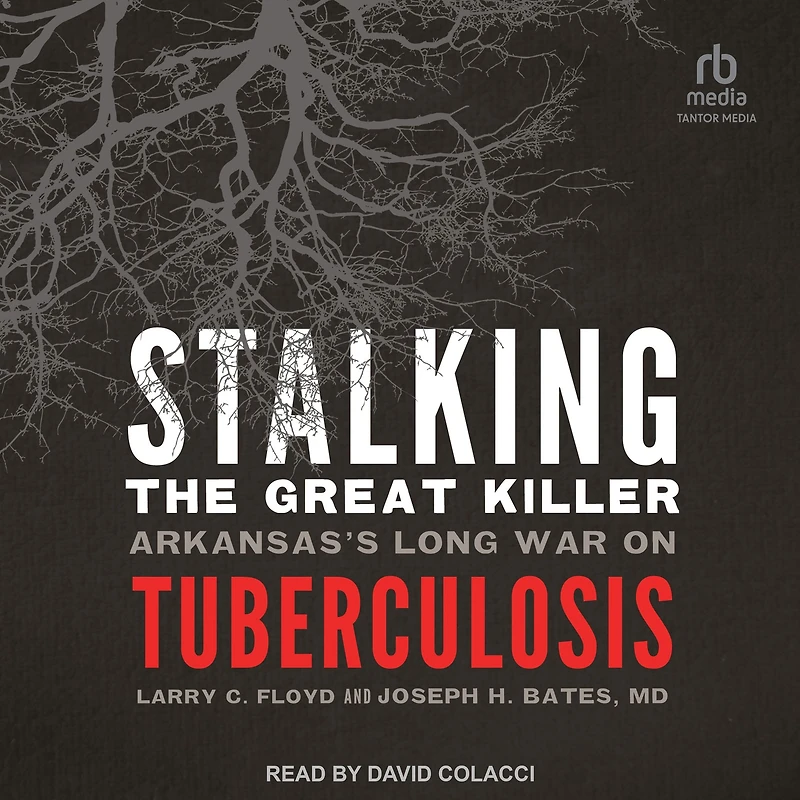
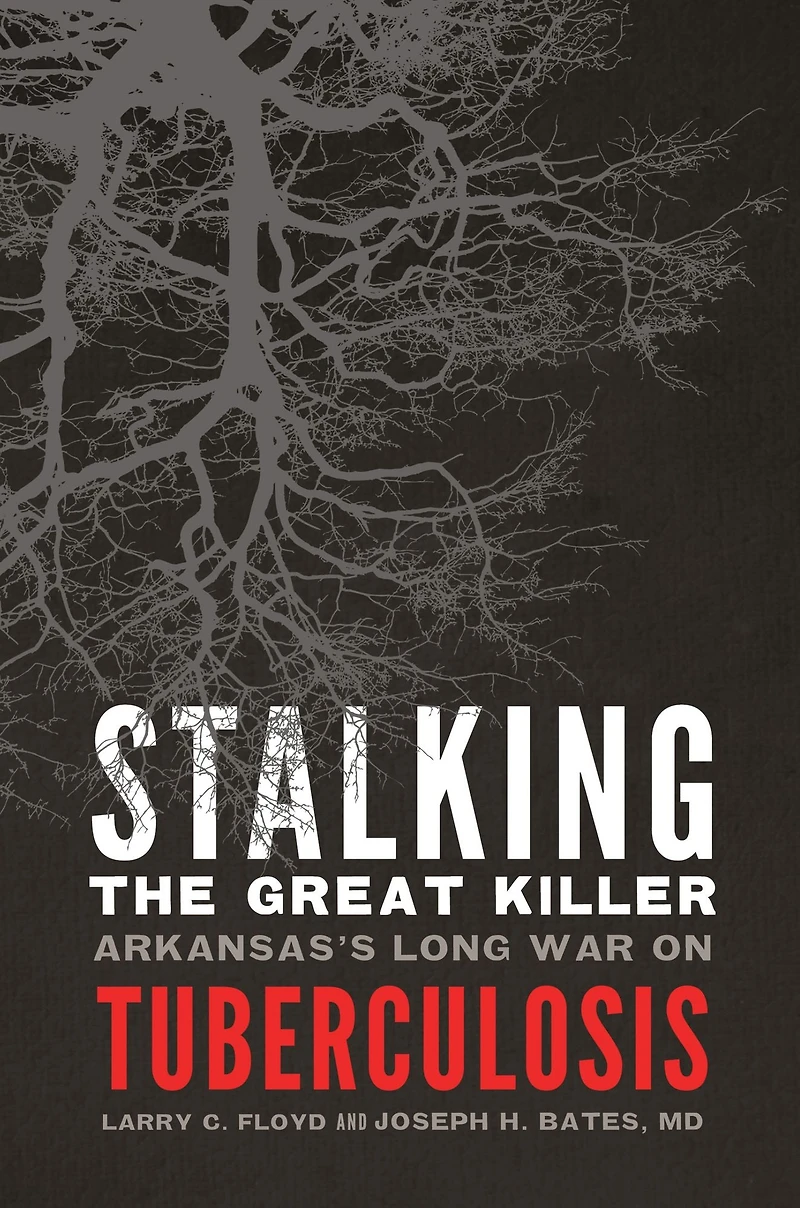
Stalking the Great Killer: Arkansas's Long War on Tuberculosis
Barnes and Noble
Loading Inventory...
Stalking the Great Killer: Arkansas's Long War on Tuberculosis in Bloomington, MN
By Barnes & Noble
Current price: $19.99

Stalking the Great Killer: Arkansas's Long War on Tuberculosis in Bloomington, MN
Current price: $19.99
Loading Inventory...
Size: Audiobook
Stalking the Great Killer is the story of Arkansas's struggle to control tuberculosis, and how the state became a model in its treatment of the disease.To place the story of tuberculosis in Arkansas in historical perspective, the authors trace the origins of the disease. Arkansas suffered some of the worst ravages of the disease, and the authors argue that many of the improvements in the state's medical infrastructure grew out of the desperate need to control it.In the early twentieth century, Arkansas established a sanatorium and thirty years later, the segregated Black sanitorium. These institutions helped slow the disease but at a cost: removed from families and communities, patients suffered from the isolation. Joseph Bates saw this when he delivered an uncle to the sanitorium in the 1940s. In the 1960s, Bates, now a physician, and his colleague Paul Reagan overcame a resistant medical-political system to develop a new approach to treating the disease.In the age of Covid-19, this history offers valuable lessons about community involvement in public health, the potential efficacy of public-private partnerships, and the importance of leadership in the battle to eradicate disease.
Stalking the Great Killer is the story of Arkansas's struggle to control tuberculosis, and how the state became a model in its treatment of the disease.To place the story of tuberculosis in Arkansas in historical perspective, the authors trace the origins of the disease. Arkansas suffered some of the worst ravages of the disease, and the authors argue that many of the improvements in the state's medical infrastructure grew out of the desperate need to control it.In the early twentieth century, Arkansas established a sanatorium and thirty years later, the segregated Black sanitorium. These institutions helped slow the disease but at a cost: removed from families and communities, patients suffered from the isolation. Joseph Bates saw this when he delivered an uncle to the sanitorium in the 1940s. In the 1960s, Bates, now a physician, and his colleague Paul Reagan overcame a resistant medical-political system to develop a new approach to treating the disease.In the age of Covid-19, this history offers valuable lessons about community involvement in public health, the potential efficacy of public-private partnerships, and the importance of leadership in the battle to eradicate disease.
Shop Similar Products
















Find at Mall of America® in Bloomington, MN
Visit at Mall of America® in Bloomington, MN