


Home
Race, Real Estate and Education: Inventing Gentrification Philadelphia, 1960-2020
Barnes and Noble
Loading Inventory...
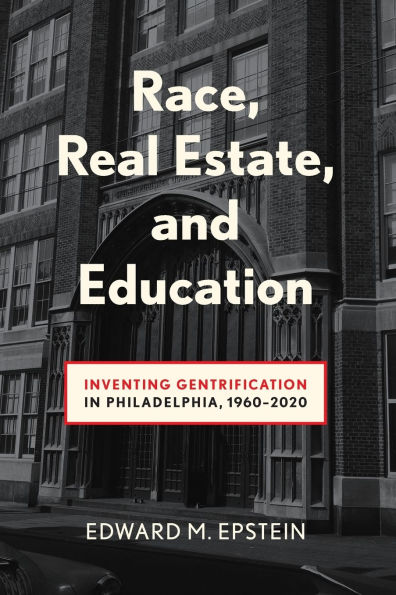
Race, Real Estate and Education: Inventing Gentrification Philadelphia, 1960-2020 in Bloomington, MN
Current price: $104.50

Race, Real Estate and Education: Inventing Gentrification Philadelphia, 1960-2020 in Bloomington, MN
Current price: $104.50
Loading Inventory...
Size: Hardcover
Philadelphia’s urban renewal efforts in the 1950s, which reenvisioned the city as a residential enclave, were an early example of gentrification. In West Philadelphia in the 1960s, a coalition of universities and hospitals went further, initiating K12 public school improvements meant to attract an affluent and whiter population. As Edward Epstein details in
Race, Real Estate, and Education
, these interventions discounted the negative impact they could have on neighborhood residents.
Epstein outlines the citywide context for the plan to create “University City” in West Philadelphia. He recounts the attempts to correct the segregation, overcrowding, and authoritarian management that plagued Philadelphia’s public schools. As the West Philadelphia Corporation, the proxy for the universities and hospitals, initiated gentrification efforts, the local community resisted and protested, causing the project to fail. The effort was revived with spectacular success, however, with the launch of the wellfunded Penn Alexander School in 2001.
shows how the pursuit of urbanist ideals sometimes deepens neighborhood injustice. Epstein’s exploration of whether Philadelphia’s overall approach was beneficial or misguided presents a cautionary tale.
In the series
Urban Life, Landscape, and Policy
Race, Real Estate, and Education
, these interventions discounted the negative impact they could have on neighborhood residents.
Epstein outlines the citywide context for the plan to create “University City” in West Philadelphia. He recounts the attempts to correct the segregation, overcrowding, and authoritarian management that plagued Philadelphia’s public schools. As the West Philadelphia Corporation, the proxy for the universities and hospitals, initiated gentrification efforts, the local community resisted and protested, causing the project to fail. The effort was revived with spectacular success, however, with the launch of the wellfunded Penn Alexander School in 2001.
shows how the pursuit of urbanist ideals sometimes deepens neighborhood injustice. Epstein’s exploration of whether Philadelphia’s overall approach was beneficial or misguided presents a cautionary tale.
In the series
Urban Life, Landscape, and Policy
Philadelphia’s urban renewal efforts in the 1950s, which reenvisioned the city as a residential enclave, were an early example of gentrification. In West Philadelphia in the 1960s, a coalition of universities and hospitals went further, initiating K12 public school improvements meant to attract an affluent and whiter population. As Edward Epstein details in
Race, Real Estate, and Education
, these interventions discounted the negative impact they could have on neighborhood residents.
Epstein outlines the citywide context for the plan to create “University City” in West Philadelphia. He recounts the attempts to correct the segregation, overcrowding, and authoritarian management that plagued Philadelphia’s public schools. As the West Philadelphia Corporation, the proxy for the universities and hospitals, initiated gentrification efforts, the local community resisted and protested, causing the project to fail. The effort was revived with spectacular success, however, with the launch of the wellfunded Penn Alexander School in 2001.
shows how the pursuit of urbanist ideals sometimes deepens neighborhood injustice. Epstein’s exploration of whether Philadelphia’s overall approach was beneficial or misguided presents a cautionary tale.
In the series
Urban Life, Landscape, and Policy
Race, Real Estate, and Education
, these interventions discounted the negative impact they could have on neighborhood residents.
Epstein outlines the citywide context for the plan to create “University City” in West Philadelphia. He recounts the attempts to correct the segregation, overcrowding, and authoritarian management that plagued Philadelphia’s public schools. As the West Philadelphia Corporation, the proxy for the universities and hospitals, initiated gentrification efforts, the local community resisted and protested, causing the project to fail. The effort was revived with spectacular success, however, with the launch of the wellfunded Penn Alexander School in 2001.
shows how the pursuit of urbanist ideals sometimes deepens neighborhood injustice. Epstein’s exploration of whether Philadelphia’s overall approach was beneficial or misguided presents a cautionary tale.
In the series
Urban Life, Landscape, and Policy
Shop Similar Products









Find at Mall of America® in Bloomington, MN
Visit at Mall of America® in Bloomington, MN