


Home
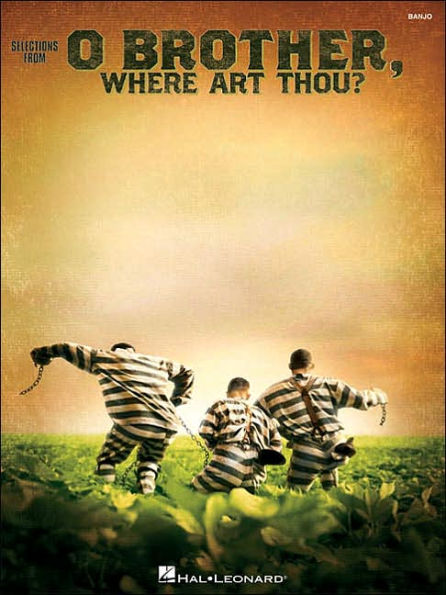
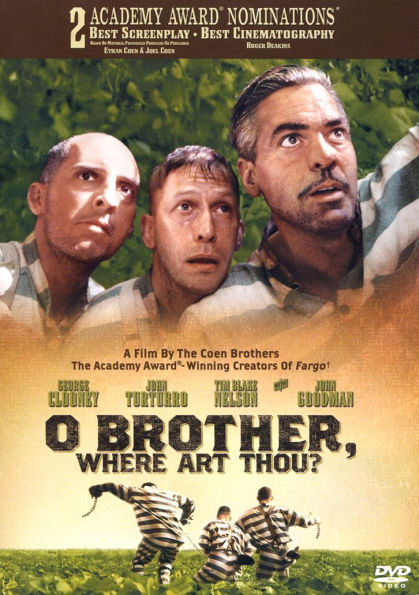
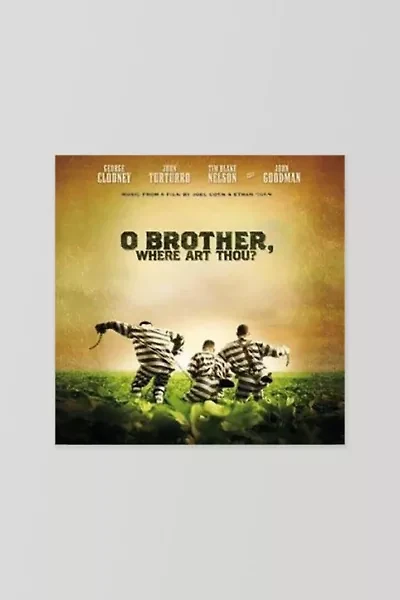
O Brother, Where Art Thou? [Original Soundtrack]
Barnes and Noble
Loading Inventory...
![O Brother, Where Art Thou? [Original Soundtrack]](https://prodimage.images-bn.com/pimages/0008817006918_p0_v1_s600x595.jpg)
O Brother, Where Art Thou? [Original Soundtrack] in Bloomington, MN
Current price: $11.89

O Brother, Where Art Thou? [Original Soundtrack] in Bloomington, MN
Current price: $11.89
Loading Inventory...
Size: CD
The critical consensus at the end of 2000 was that it had been one of the weakest film years in recent memory. Which may have been true, despite
O Brother, Where Art Thou?
, the Coen brothers' delightfully warm and weird Depression-era re-telling of
Homer
's Odyssey. But for music lovers, 2000 was an amazing year at the movies, and it produced several excellent soundtrack compilations including
Almost Famous
,
Dancer in the Dark
Wonder Boys
, and
High Fidelity
. Even with such steep competition, the soundtrack album for
may be the best of the year. In order to capture the sound of Mississippi circa 1932, the
Coens
commissioned
T-Bone Burnett
, a masterful producer whose work with artists like
Elvis Costello
Sam Phillips
Joseph Arthur
Counting Crows
has earned him a special place in the folk-rock hall of fame, to research and re-create the country, bluegrass, folk, gospel, and blues of the era. The
were so taken with
Burnett
's discoveries that the film became a unique sort of musical revue. There are no original compositions here (though
is given a "music by" credit usually reserved for composers), and the characters do not generally break into stylized song and dance numbers (as they do in, say,
Everyone Says I Love You
). But nearly every scene in
O Brother
is set to a period song, and the music frequently drives and defines the action. With two exceptions -- a stunning 1955
Alan Lomax
recording of a black prison chain gang singing
"Po Lazarus"
Harry McClintock
's
"Big Rock Candy Mountain"
-- every song was recorded for the film by an impressive assembly of old-time
country
veterans (
Fairfield Four
Ralph Stanley
the Whites
) and talented newcomers (
Gillian Welch
Alison Krauss
Emmylou Harris
). These recordings, which were made without the meddling clarity of digital technology, give the film much of its power and authenticity. A significant segment of the plot hinges on the (utterly plausible) notion that
Dan Tyminksi
's ebullient rendition of
"I Am a Man of Constant Sorrow"
could be a runaway hit. A memorable sequence involving three riverside sirens centers around an eerie version of
"Didn't Leave Nobody But the Baby."
And
Stanley
's a cappella performance of
"O Death"
sets a chilling tone for a climactic struggle at a Ku Klux Klan rally. Throughout,
's steady guiding hand is evident. This soundtrack is a powerful tribute not only to the time-honored but commercially ignored genres of bluegrass and mountain music but also to
's remarkable skills as a producer. ~ Evan Cater
O Brother, Where Art Thou?
, the Coen brothers' delightfully warm and weird Depression-era re-telling of
Homer
's Odyssey. But for music lovers, 2000 was an amazing year at the movies, and it produced several excellent soundtrack compilations including
Almost Famous
,
Dancer in the Dark
Wonder Boys
, and
High Fidelity
. Even with such steep competition, the soundtrack album for
may be the best of the year. In order to capture the sound of Mississippi circa 1932, the
Coens
commissioned
T-Bone Burnett
, a masterful producer whose work with artists like
Elvis Costello
Sam Phillips
Joseph Arthur
Counting Crows
has earned him a special place in the folk-rock hall of fame, to research and re-create the country, bluegrass, folk, gospel, and blues of the era. The
were so taken with
Burnett
's discoveries that the film became a unique sort of musical revue. There are no original compositions here (though
is given a "music by" credit usually reserved for composers), and the characters do not generally break into stylized song and dance numbers (as they do in, say,
Everyone Says I Love You
). But nearly every scene in
O Brother
is set to a period song, and the music frequently drives and defines the action. With two exceptions -- a stunning 1955
Alan Lomax
recording of a black prison chain gang singing
"Po Lazarus"
Harry McClintock
's
"Big Rock Candy Mountain"
-- every song was recorded for the film by an impressive assembly of old-time
country
veterans (
Fairfield Four
Ralph Stanley
the Whites
) and talented newcomers (
Gillian Welch
Alison Krauss
Emmylou Harris
). These recordings, which were made without the meddling clarity of digital technology, give the film much of its power and authenticity. A significant segment of the plot hinges on the (utterly plausible) notion that
Dan Tyminksi
's ebullient rendition of
"I Am a Man of Constant Sorrow"
could be a runaway hit. A memorable sequence involving three riverside sirens centers around an eerie version of
"Didn't Leave Nobody But the Baby."
And
Stanley
's a cappella performance of
"O Death"
sets a chilling tone for a climactic struggle at a Ku Klux Klan rally. Throughout,
's steady guiding hand is evident. This soundtrack is a powerful tribute not only to the time-honored but commercially ignored genres of bluegrass and mountain music but also to
's remarkable skills as a producer. ~ Evan Cater
The critical consensus at the end of 2000 was that it had been one of the weakest film years in recent memory. Which may have been true, despite
O Brother, Where Art Thou?
, the Coen brothers' delightfully warm and weird Depression-era re-telling of
Homer
's Odyssey. But for music lovers, 2000 was an amazing year at the movies, and it produced several excellent soundtrack compilations including
Almost Famous
,
Dancer in the Dark
Wonder Boys
, and
High Fidelity
. Even with such steep competition, the soundtrack album for
may be the best of the year. In order to capture the sound of Mississippi circa 1932, the
Coens
commissioned
T-Bone Burnett
, a masterful producer whose work with artists like
Elvis Costello
Sam Phillips
Joseph Arthur
Counting Crows
has earned him a special place in the folk-rock hall of fame, to research and re-create the country, bluegrass, folk, gospel, and blues of the era. The
were so taken with
Burnett
's discoveries that the film became a unique sort of musical revue. There are no original compositions here (though
is given a "music by" credit usually reserved for composers), and the characters do not generally break into stylized song and dance numbers (as they do in, say,
Everyone Says I Love You
). But nearly every scene in
O Brother
is set to a period song, and the music frequently drives and defines the action. With two exceptions -- a stunning 1955
Alan Lomax
recording of a black prison chain gang singing
"Po Lazarus"
Harry McClintock
's
"Big Rock Candy Mountain"
-- every song was recorded for the film by an impressive assembly of old-time
country
veterans (
Fairfield Four
Ralph Stanley
the Whites
) and talented newcomers (
Gillian Welch
Alison Krauss
Emmylou Harris
). These recordings, which were made without the meddling clarity of digital technology, give the film much of its power and authenticity. A significant segment of the plot hinges on the (utterly plausible) notion that
Dan Tyminksi
's ebullient rendition of
"I Am a Man of Constant Sorrow"
could be a runaway hit. A memorable sequence involving three riverside sirens centers around an eerie version of
"Didn't Leave Nobody But the Baby."
And
Stanley
's a cappella performance of
"O Death"
sets a chilling tone for a climactic struggle at a Ku Klux Klan rally. Throughout,
's steady guiding hand is evident. This soundtrack is a powerful tribute not only to the time-honored but commercially ignored genres of bluegrass and mountain music but also to
's remarkable skills as a producer. ~ Evan Cater
O Brother, Where Art Thou?
, the Coen brothers' delightfully warm and weird Depression-era re-telling of
Homer
's Odyssey. But for music lovers, 2000 was an amazing year at the movies, and it produced several excellent soundtrack compilations including
Almost Famous
,
Dancer in the Dark
Wonder Boys
, and
High Fidelity
. Even with such steep competition, the soundtrack album for
may be the best of the year. In order to capture the sound of Mississippi circa 1932, the
Coens
commissioned
T-Bone Burnett
, a masterful producer whose work with artists like
Elvis Costello
Sam Phillips
Joseph Arthur
Counting Crows
has earned him a special place in the folk-rock hall of fame, to research and re-create the country, bluegrass, folk, gospel, and blues of the era. The
were so taken with
Burnett
's discoveries that the film became a unique sort of musical revue. There are no original compositions here (though
is given a "music by" credit usually reserved for composers), and the characters do not generally break into stylized song and dance numbers (as they do in, say,
Everyone Says I Love You
). But nearly every scene in
O Brother
is set to a period song, and the music frequently drives and defines the action. With two exceptions -- a stunning 1955
Alan Lomax
recording of a black prison chain gang singing
"Po Lazarus"
Harry McClintock
's
"Big Rock Candy Mountain"
-- every song was recorded for the film by an impressive assembly of old-time
country
veterans (
Fairfield Four
Ralph Stanley
the Whites
) and talented newcomers (
Gillian Welch
Alison Krauss
Emmylou Harris
). These recordings, which were made without the meddling clarity of digital technology, give the film much of its power and authenticity. A significant segment of the plot hinges on the (utterly plausible) notion that
Dan Tyminksi
's ebullient rendition of
"I Am a Man of Constant Sorrow"
could be a runaway hit. A memorable sequence involving three riverside sirens centers around an eerie version of
"Didn't Leave Nobody But the Baby."
And
Stanley
's a cappella performance of
"O Death"
sets a chilling tone for a climactic struggle at a Ku Klux Klan rally. Throughout,
's steady guiding hand is evident. This soundtrack is a powerful tribute not only to the time-honored but commercially ignored genres of bluegrass and mountain music but also to
's remarkable skills as a producer. ~ Evan Cater
![The Blues Brothers [Original Soundtrack]](https://prodimage.images-bn.com/pimages/0603497813513_p0_v2_s600x595.jpg)
![Dunkirk [Original Soundtrack]](https://prodimage.images-bn.com/pimages/8719262040878_p0_v1_s600x595.jpg)
![Limelight [Original Soundtrack]](https://prodimage.images-bn.com/pimages/5400863075545_p0_v2_s600x595.jpg)
![Killing Zoe [Original Soundtrack]](https://prodimage.images-bn.com/pimages/8719262024236_p0_v1_s600x595.jpg)
![The Dive [Original Soundtrack]](https://prodimage.images-bn.com/pimages/8719262033573_p0_v1_s600x595.jpg)
![Funny Girl [Original Soundtrack]](https://prodimage.images-bn.com/pimages/0696998515123_p0_v1_s600x595.jpg)
![Volt [Original Soundtrack Recording]](https://prodimage.images-bn.com/pimages/0884388500815_p0_v2_s600x595.jpg)







Find at Mall of America® in Bloomington, MN
Visit at Mall of America® in Bloomington, MN