


Home
Microbiota and Type 2 Diabetes: The Role of Probiotics
Barnes and Noble
Loading Inventory...
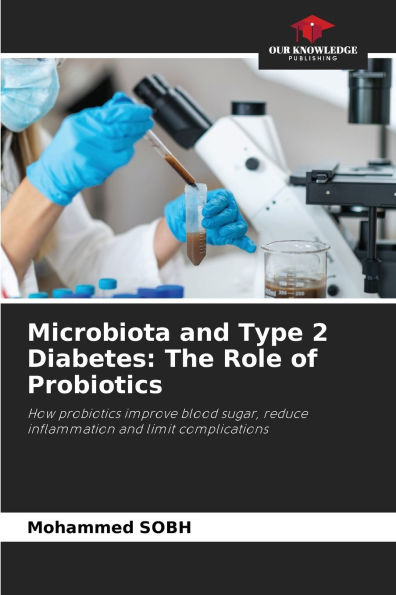
Microbiota and Type 2 Diabetes: The Role of Probiotics in Bloomington, MN
Current price: $51.00

Microbiota and Type 2 Diabetes: The Role of Probiotics in Bloomington, MN
Current price: $51.00
Loading Inventory...
Size: OS
Chronic exposure to pesticide residues, even at low doses, significantly disrupts the intestinal microbiota, leading to dysbiosis characterized by a >50% reduction in beneficial bacteria (Lactobacillus, Bifidobacterium) and a proliferation of pathogens (Escherichia/Shigella, Clostridium). This imbalance is accompanied by altered production of short-chain fatty acids, leading to increased intestinal permeability, systemic inflammation and metabolic disturbances. These mechanisms contribute to the development of chronic diseases (obesity, type 2 diabetes). This review analyzes the impact of pesticides on the microbiota and their pathological implications, highlighting the need for tighter regulation to safeguard public health.
Chronic exposure to pesticide residues, even at low doses, significantly disrupts the intestinal microbiota, leading to dysbiosis characterized by a >50% reduction in beneficial bacteria (Lactobacillus, Bifidobacterium) and a proliferation of pathogens (Escherichia/Shigella, Clostridium). This imbalance is accompanied by altered production of short-chain fatty acids, leading to increased intestinal permeability, systemic inflammation and metabolic disturbances. These mechanisms contribute to the development of chronic diseases (obesity, type 2 diabetes). This review analyzes the impact of pesticides on the microbiota and their pathological implications, highlighting the need for tighter regulation to safeguard public health.
Shop Similar Products











Find at Mall of America® in Bloomington, MN
Visit at Mall of America® in Bloomington, MN