


Home
King David and the Wise Women: Guercino at Waddesdon
Barnes and Noble
Loading Inventory...
King David and the Wise Women: Guercino at Waddesdon in Bloomington, MN
Current price: $22.50

King David and the Wise Women: Guercino at Waddesdon in Bloomington, MN
Current price: $22.50
Loading Inventory...
Size: OS
Four works by the great Italian artist Guercino.
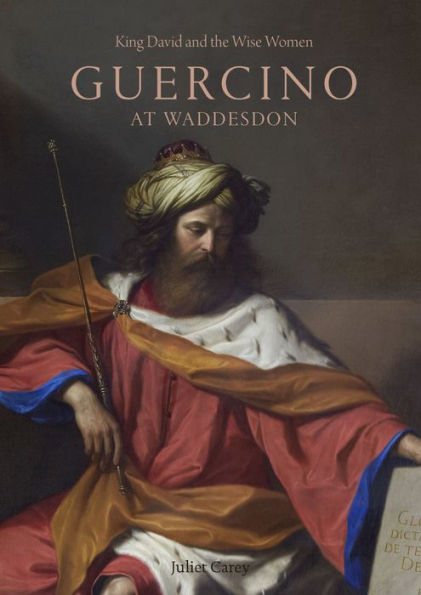
This gem of a catalog accompanies an exhibition at Waddesdon Manor on one of the great painters of seventeenth-century Italy, Giovanni Francesco Barbieri, known as Guercino (1591-1666). It brings together for the first time Waddesdon’s
King David
with three paintings of sibyls (female prophets from classical antiquity) on loan from the National Gallery and the Royal Collection.
Readers and viewers alike will be immersed in the poetry, color, and majesty of these four works, which were all painted by Guercino in the year 1651. This is the first time the paintings have been seen together. The catalog investigates the relationship between David, the Jewish patriarch, psalmist, and prophet whom Christians believed prefigured Christ, and the four pagan seers who supposedly foretold Christ’s birth. Guercino’s brilliant depiction of fabrics and materialssilk, flesh and ermine, paper, wood, and stoneevokes ideas about inspiration and contemplation, sight and foresight, poetry and prophecy.
This gem of a catalog accompanies an exhibition at Waddesdon Manor on one of the great painters of seventeenth-century Italy, Giovanni Francesco Barbieri, known as Guercino (1591-1666). It brings together for the first time Waddesdon’s
King David
with three paintings of sibyls (female prophets from classical antiquity) on loan from the National Gallery and the Royal Collection.
Readers and viewers alike will be immersed in the poetry, color, and majesty of these four works, which were all painted by Guercino in the year 1651. This is the first time the paintings have been seen together. The catalog investigates the relationship between David, the Jewish patriarch, psalmist, and prophet whom Christians believed prefigured Christ, and the four pagan seers who supposedly foretold Christ’s birth. Guercino’s brilliant depiction of fabrics and materialssilk, flesh and ermine, paper, wood, and stoneevokes ideas about inspiration and contemplation, sight and foresight, poetry and prophecy.
Four works by the great Italian artist Guercino.
This gem of a catalog accompanies an exhibition at Waddesdon Manor on one of the great painters of seventeenth-century Italy, Giovanni Francesco Barbieri, known as Guercino (1591-1666). It brings together for the first time Waddesdon’s
King David
with three paintings of sibyls (female prophets from classical antiquity) on loan from the National Gallery and the Royal Collection.
Readers and viewers alike will be immersed in the poetry, color, and majesty of these four works, which were all painted by Guercino in the year 1651. This is the first time the paintings have been seen together. The catalog investigates the relationship between David, the Jewish patriarch, psalmist, and prophet whom Christians believed prefigured Christ, and the four pagan seers who supposedly foretold Christ’s birth. Guercino’s brilliant depiction of fabrics and materialssilk, flesh and ermine, paper, wood, and stoneevokes ideas about inspiration and contemplation, sight and foresight, poetry and prophecy.
This gem of a catalog accompanies an exhibition at Waddesdon Manor on one of the great painters of seventeenth-century Italy, Giovanni Francesco Barbieri, known as Guercino (1591-1666). It brings together for the first time Waddesdon’s
King David
with three paintings of sibyls (female prophets from classical antiquity) on loan from the National Gallery and the Royal Collection.
Readers and viewers alike will be immersed in the poetry, color, and majesty of these four works, which were all painted by Guercino in the year 1651. This is the first time the paintings have been seen together. The catalog investigates the relationship between David, the Jewish patriarch, psalmist, and prophet whom Christians believed prefigured Christ, and the four pagan seers who supposedly foretold Christ’s birth. Guercino’s brilliant depiction of fabrics and materialssilk, flesh and ermine, paper, wood, and stoneevokes ideas about inspiration and contemplation, sight and foresight, poetry and prophecy.
Shop Similar Products















Find at Mall of America® in Bloomington, MN
Visit at Mall of America® in Bloomington, MN