


Home
External Intervention and the Politics of State Formation: China, Indonesia, Thailand, 1893-1952
Barnes and Noble
Loading Inventory...
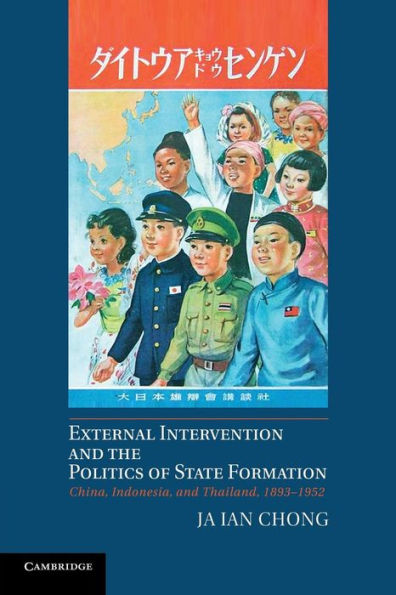
External Intervention and the Politics of State Formation: China, Indonesia, Thailand, 1893-1952 in Bloomington, MN
Current price: $137.00

External Intervention and the Politics of State Formation: China, Indonesia, Thailand, 1893-1952 in Bloomington, MN
Current price: $137.00
Loading Inventory...
Size: Hardcover
This book explores ways in which foreign intervention and external rivalries can affect the institutionalization of governance in weak states. When sufficiently competitive, foreign rivalries in a weak state can actually foster the political centralization, territoriality, and autonomy associated with state sovereignty. This counterintuitive finding comes from studying the collective effects of foreign contestation over a weak state as informed by changes in the expected opportunity cost of intervention for outside actors. When interveners associate high opportunity costs with intervention, they bolster sovereign statehood as a next best alternative to their worst fear – domination of that polity by adversaries. Sovereign statehood develops if foreign actors concurrently and consistently behave this way toward a weak state. This book evaluates that argument against three “least likely” cases – China, Indonesia, and Thailand between the late nineteenth and mid-twentieth centuries.
This book explores ways in which foreign intervention and external rivalries can affect the institutionalization of governance in weak states. When sufficiently competitive, foreign rivalries in a weak state can actually foster the political centralization, territoriality, and autonomy associated with state sovereignty. This counterintuitive finding comes from studying the collective effects of foreign contestation over a weak state as informed by changes in the expected opportunity cost of intervention for outside actors. When interveners associate high opportunity costs with intervention, they bolster sovereign statehood as a next best alternative to their worst fear – domination of that polity by adversaries. Sovereign statehood develops if foreign actors concurrently and consistently behave this way toward a weak state. This book evaluates that argument against three “least likely” cases – China, Indonesia, and Thailand between the late nineteenth and mid-twentieth centuries.
Shop Similar Products













Find at Mall of America® in Bloomington, MN
Visit at Mall of America® in Bloomington, MN