


Home
Electoral Systems and the Balance of Consumer-Producer Power
Barnes and Noble
Loading Inventory...
Electoral Systems and the Balance of Consumer-Producer Power in Bloomington, MN
Current price: $112.00

Electoral Systems and the Balance of Consumer-Producer Power in Bloomington, MN
Current price: $112.00
Loading Inventory...
Size: Hardcover
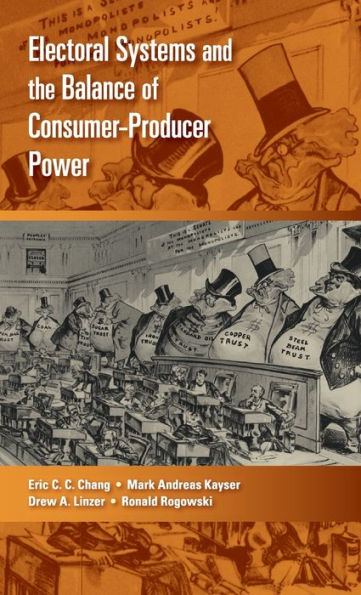
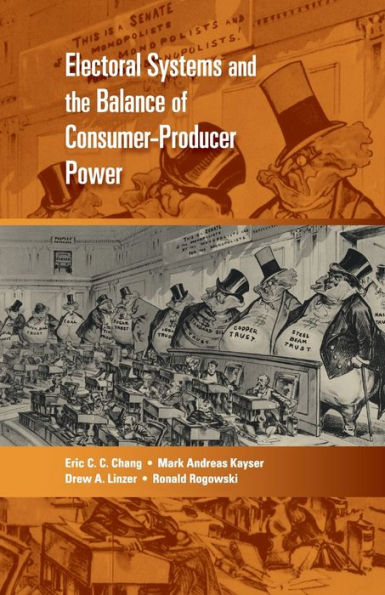
This book investigates the effects of electoral systems on the relative legislative and, hence, regulatory influence of competing interests in society. Building on Ronald Rogowski and Mark Andreas Kayser’s extension of the classic Stigler-Peltzman model of regulation, the authors demonstrate that majoritarian electoral arrangements should empower consumers relative to producers. Employing real price levels as a proxy for consumer power, the book rigorously establishes this proposition over time, within the OECD, and across a large sample of developing countries. Majoritarian electoral arrangements depress real prices by approximately ten percent, all else equal. The authors carefully construct and test their argument and broaden it to consider the overall welfare effects of electoral system design and the incentives of actors in the choice of electoral institutions.
This book investigates the effects of electoral systems on the relative legislative and, hence, regulatory influence of competing interests in society. Building on Ronald Rogowski and Mark Andreas Kayser’s extension of the classic Stigler-Peltzman model of regulation, the authors demonstrate that majoritarian electoral arrangements should empower consumers relative to producers. Employing real price levels as a proxy for consumer power, the book rigorously establishes this proposition over time, within the OECD, and across a large sample of developing countries. Majoritarian electoral arrangements depress real prices by approximately ten percent, all else equal. The authors carefully construct and test their argument and broaden it to consider the overall welfare effects of electoral system design and the incentives of actors in the choice of electoral institutions.
Shop Similar Products













Find at Mall of America® in Bloomington, MN
Visit at Mall of America® in Bloomington, MN