


Home
Cinematosophical Introduction to the Theory of Archaeology: Understanding Archaeology Through Cinema, Philosophy, Literature and some Incongruous Extremes
Barnes and Noble
Loading Inventory...
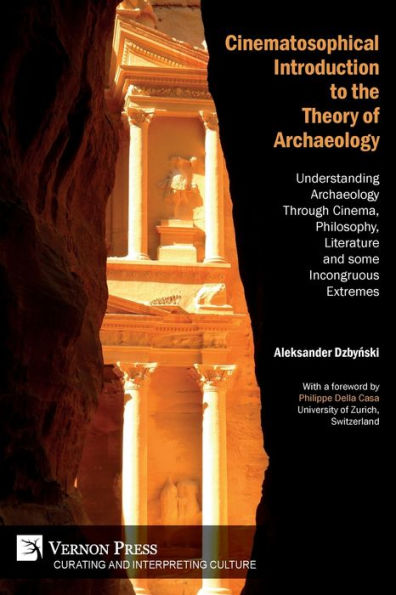
Cinematosophical Introduction to the Theory of Archaeology: Understanding Archaeology Through Cinema, Philosophy, Literature and some Incongruous Extremes in Bloomington, MN
Current price: $63.00

Cinematosophical Introduction to the Theory of Archaeology: Understanding Archaeology Through Cinema, Philosophy, Literature and some Incongruous Extremes in Bloomington, MN
Current price: $63.00
Loading Inventory...
Size: Hardcover
What is archaeology? A research field dealing with monuments? A science? A branch of philosophy? Dzbyński suggests the simple but thoughtful equation: Archaeology = History = Knowledge.
This book consists of 8 chapters presenting a collection of characteristic philosophical attitudes important for archaeology. It discusses the historicity of archaeological sources, the source of the algorithmic approach in archaeological reasoning, and the accuracy of logical and irrational thinking.
In general, this book is concerned with the history of archaeologists’ search for a suitable methodology. All these issues are discussed in relation to two main intellectual trends of archaeology to the present day: processual and post-processual archaeology. Processualism introduced and developed the idea of algorithmic and universal reasoning in archaeology, while post-processualism focused attention on the individual value of a monument and the archaeologist himself. These are still two foundations on which the present knowledge of the past is based, and thus their defining role cannot be overestimated. An additional layer of narrative, visible right from the beginning of the book, is the gradual discovery of the relationship between archaeology and popular culture, especially film and literature. Its aim is both illustration and explanation. It is intended that the reader receives not only information and knowledge, but also a deeper emotional reference which is connected with the reception of works of art.
This book consists of 8 chapters presenting a collection of characteristic philosophical attitudes important for archaeology. It discusses the historicity of archaeological sources, the source of the algorithmic approach in archaeological reasoning, and the accuracy of logical and irrational thinking.
In general, this book is concerned with the history of archaeologists’ search for a suitable methodology. All these issues are discussed in relation to two main intellectual trends of archaeology to the present day: processual and post-processual archaeology. Processualism introduced and developed the idea of algorithmic and universal reasoning in archaeology, while post-processualism focused attention on the individual value of a monument and the archaeologist himself. These are still two foundations on which the present knowledge of the past is based, and thus their defining role cannot be overestimated. An additional layer of narrative, visible right from the beginning of the book, is the gradual discovery of the relationship between archaeology and popular culture, especially film and literature. Its aim is both illustration and explanation. It is intended that the reader receives not only information and knowledge, but also a deeper emotional reference which is connected with the reception of works of art.
What is archaeology? A research field dealing with monuments? A science? A branch of philosophy? Dzbyński suggests the simple but thoughtful equation: Archaeology = History = Knowledge.
This book consists of 8 chapters presenting a collection of characteristic philosophical attitudes important for archaeology. It discusses the historicity of archaeological sources, the source of the algorithmic approach in archaeological reasoning, and the accuracy of logical and irrational thinking.
In general, this book is concerned with the history of archaeologists’ search for a suitable methodology. All these issues are discussed in relation to two main intellectual trends of archaeology to the present day: processual and post-processual archaeology. Processualism introduced and developed the idea of algorithmic and universal reasoning in archaeology, while post-processualism focused attention on the individual value of a monument and the archaeologist himself. These are still two foundations on which the present knowledge of the past is based, and thus their defining role cannot be overestimated. An additional layer of narrative, visible right from the beginning of the book, is the gradual discovery of the relationship between archaeology and popular culture, especially film and literature. Its aim is both illustration and explanation. It is intended that the reader receives not only information and knowledge, but also a deeper emotional reference which is connected with the reception of works of art.
This book consists of 8 chapters presenting a collection of characteristic philosophical attitudes important for archaeology. It discusses the historicity of archaeological sources, the source of the algorithmic approach in archaeological reasoning, and the accuracy of logical and irrational thinking.
In general, this book is concerned with the history of archaeologists’ search for a suitable methodology. All these issues are discussed in relation to two main intellectual trends of archaeology to the present day: processual and post-processual archaeology. Processualism introduced and developed the idea of algorithmic and universal reasoning in archaeology, while post-processualism focused attention on the individual value of a monument and the archaeologist himself. These are still two foundations on which the present knowledge of the past is based, and thus their defining role cannot be overestimated. An additional layer of narrative, visible right from the beginning of the book, is the gradual discovery of the relationship between archaeology and popular culture, especially film and literature. Its aim is both illustration and explanation. It is intended that the reader receives not only information and knowledge, but also a deeper emotional reference which is connected with the reception of works of art.
Shop Similar Products









Find at Mall of America® in Bloomington, MN
Visit at Mall of America® in Bloomington, MN