


Home
Blues on Stage: the Entertainment Industry 1920s
Barnes and Noble
Loading Inventory...
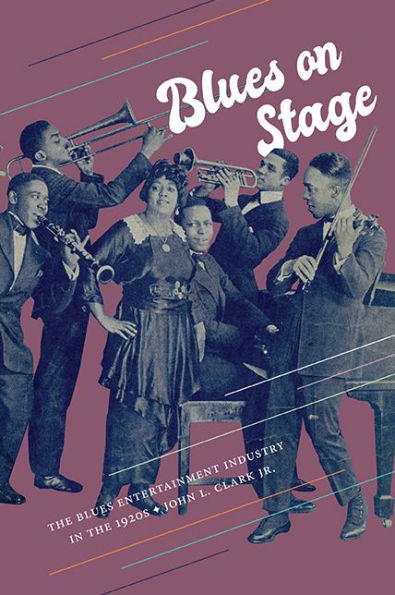
Blues on Stage: the Entertainment Industry 1920s in Bloomington, MN
Current price: $24.95

Blues on Stage: the Entertainment Industry 1920s in Bloomington, MN
Current price: $24.95
Loading Inventory...
Size: Paperback
Tells the story of classic blues singers from Ma Rainey to Bessie Smith.
Blues on Stage
presents a new history of the development of the "Classic Blues" of the 1920s, offering a comprehensive review of various Black singers who recorded and were influential in this era, including Bessie Smith, Trixie Smith, Butterbeans and Susie, and Ma Rainey. The business of music recording and publishing, including songwriting and touring theater circuits, is explored as part of the narrative of how and when these artists became nationally popular. The most highly regarded singers of this period were not folk or rural artists, but rather highly experienced stage professionals whose careers often extended two decades or more prior to their first recordings. These artists, some of the most famous acts on the Black vaudeville and tent show circuits, were preceded in the recording studio by many cabaret and nightclub singers with a different entertainment perspective and were followed by artists who came from a more rural, less professional background. For anyone interested in the roots of jazz and blues,
offers a new and comprehensive introduction to the development of this American musical style.
Blues on Stage
presents a new history of the development of the "Classic Blues" of the 1920s, offering a comprehensive review of various Black singers who recorded and were influential in this era, including Bessie Smith, Trixie Smith, Butterbeans and Susie, and Ma Rainey. The business of music recording and publishing, including songwriting and touring theater circuits, is explored as part of the narrative of how and when these artists became nationally popular. The most highly regarded singers of this period were not folk or rural artists, but rather highly experienced stage professionals whose careers often extended two decades or more prior to their first recordings. These artists, some of the most famous acts on the Black vaudeville and tent show circuits, were preceded in the recording studio by many cabaret and nightclub singers with a different entertainment perspective and were followed by artists who came from a more rural, less professional background. For anyone interested in the roots of jazz and blues,
offers a new and comprehensive introduction to the development of this American musical style.
Tells the story of classic blues singers from Ma Rainey to Bessie Smith.
Blues on Stage
presents a new history of the development of the "Classic Blues" of the 1920s, offering a comprehensive review of various Black singers who recorded and were influential in this era, including Bessie Smith, Trixie Smith, Butterbeans and Susie, and Ma Rainey. The business of music recording and publishing, including songwriting and touring theater circuits, is explored as part of the narrative of how and when these artists became nationally popular. The most highly regarded singers of this period were not folk or rural artists, but rather highly experienced stage professionals whose careers often extended two decades or more prior to their first recordings. These artists, some of the most famous acts on the Black vaudeville and tent show circuits, were preceded in the recording studio by many cabaret and nightclub singers with a different entertainment perspective and were followed by artists who came from a more rural, less professional background. For anyone interested in the roots of jazz and blues,
offers a new and comprehensive introduction to the development of this American musical style.
Blues on Stage
presents a new history of the development of the "Classic Blues" of the 1920s, offering a comprehensive review of various Black singers who recorded and were influential in this era, including Bessie Smith, Trixie Smith, Butterbeans and Susie, and Ma Rainey. The business of music recording and publishing, including songwriting and touring theater circuits, is explored as part of the narrative of how and when these artists became nationally popular. The most highly regarded singers of this period were not folk or rural artists, but rather highly experienced stage professionals whose careers often extended two decades or more prior to their first recordings. These artists, some of the most famous acts on the Black vaudeville and tent show circuits, were preceded in the recording studio by many cabaret and nightclub singers with a different entertainment perspective and were followed by artists who came from a more rural, less professional background. For anyone interested in the roots of jazz and blues,
offers a new and comprehensive introduction to the development of this American musical style.
Shop Similar Products

















Find at Mall of America® in Bloomington, MN
Visit at Mall of America® in Bloomington, MN