


Home
Women and Medical Profession in Colonial Bengal, 1883-1947
Barnes and Noble
Loading Inventory...
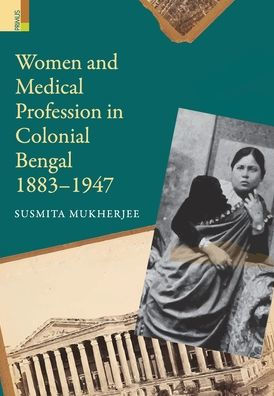
Women and Medical Profession in Colonial Bengal, 1883-1947 in Bloomington, MN
Current price: $49.95

Women and Medical Profession in Colonial Bengal, 1883-1947 in Bloomington, MN
Current price: $49.95
Loading Inventory...
Size: OS
The expansionist policy of the colonial power necessitated official involvement with medical education in Bengal from the early nineteenth century. By the mid-nineteenth century, Western medicine permeated various levels of society, thereby making medicine a remunerative profession. A handful of women receiving higher education aspired for a professional career and medicine became their obvious choice, as women patients refused to consult male doctors during pregnancy or childbirth, or for diseases specific to women. In this context, both indigenous and white women doctors working in Bengal emerged as dedicated caregivers for women patients specifically. The Dufferin Fund set up in 1885 further reinforced gender segregation through its objective of treating women patients by women doctors only. As a result, other skilled and complicated branches of medicine became the domain of male doctors. Interestingly, this legacy of separation between 'masculine' and 'feminine' branches of medicine continues even today. Women and Medical Profession in Colonial Bengal, 1883-1947 studies the origin of women's entry into medicine in colonial Bengal and thereby unfurls the layers within these thought-provoking questions about its legacy, providing some answers and leading to new questions, the effects of which abound and govern our present.
The expansionist policy of the colonial power necessitated official involvement with medical education in Bengal from the early nineteenth century. By the mid-nineteenth century, Western medicine permeated various levels of society, thereby making medicine a remunerative profession. A handful of women receiving higher education aspired for a professional career and medicine became their obvious choice, as women patients refused to consult male doctors during pregnancy or childbirth, or for diseases specific to women. In this context, both indigenous and white women doctors working in Bengal emerged as dedicated caregivers for women patients specifically. The Dufferin Fund set up in 1885 further reinforced gender segregation through its objective of treating women patients by women doctors only. As a result, other skilled and complicated branches of medicine became the domain of male doctors. Interestingly, this legacy of separation between 'masculine' and 'feminine' branches of medicine continues even today. Women and Medical Profession in Colonial Bengal, 1883-1947 studies the origin of women's entry into medicine in colonial Bengal and thereby unfurls the layers within these thought-provoking questions about its legacy, providing some answers and leading to new questions, the effects of which abound and govern our present.
Shop Similar Products













Find at Mall of America® in Bloomington, MN
Visit at Mall of America® in Bloomington, MN