


Home
Towards an Understanding of Kurdistani Memory Culture: Apostrophic and Phantomic Approaches to a Violent Past
Barnes and Noble
Loading Inventory...
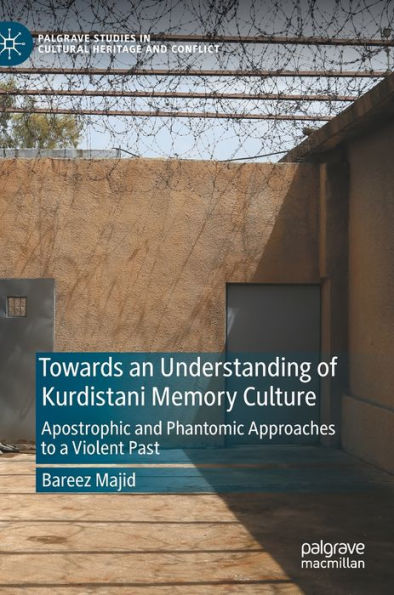
Towards an Understanding of Kurdistani Memory Culture: Apostrophic and Phantomic Approaches to a Violent Past in Bloomington, MN
Current price: $139.99

Towards an Understanding of Kurdistani Memory Culture: Apostrophic and Phantomic Approaches to a Violent Past in Bloomington, MN
Current price: $139.99
Loading Inventory...
Size: Hardcover
This book presents a thorough analysis of the Kurdistan Region of Iraq’s memory culture, focusing particularly on commemorations and representations of the Anfal and Halabja atrocities. The author employs a transdisciplinary approach that draws on Memory Studies, Postcolonial Studies, Heritage Studies, Kurdish Studies, Literary Studies and Trauma Studies, to analyze cultural objects such as Kurdistani literary novels, museums, and school curricula. The book introduces two key concepts: the "phantomic museum" and the "apostrophic museum." The former explores the fragile and politicized nature of memories of missing individuals who disappeared during Saddam Hussein's genocidal campaigns and who have never been found, primarily as they return in the Halabja Monument and Peace Museum. The latter examines how the addressing – apostrophizing – of Kurdistan, in and by the Amna Suraka museum in the city of Sulaymaniyah, institutionalizes “official” and highly politicized versions of the past.
This book presents a thorough analysis of the Kurdistan Region of Iraq’s memory culture, focusing particularly on commemorations and representations of the Anfal and Halabja atrocities. The author employs a transdisciplinary approach that draws on Memory Studies, Postcolonial Studies, Heritage Studies, Kurdish Studies, Literary Studies and Trauma Studies, to analyze cultural objects such as Kurdistani literary novels, museums, and school curricula. The book introduces two key concepts: the "phantomic museum" and the "apostrophic museum." The former explores the fragile and politicized nature of memories of missing individuals who disappeared during Saddam Hussein's genocidal campaigns and who have never been found, primarily as they return in the Halabja Monument and Peace Museum. The latter examines how the addressing – apostrophizing – of Kurdistan, in and by the Amna Suraka museum in the city of Sulaymaniyah, institutionalizes “official” and highly politicized versions of the past.













Find at Mall of America® in Bloomington, MN
Visit at Mall of America® in Bloomington, MN