


Home
Time: The Best of R.E.M. 1988-2003
Barnes and Noble
Loading Inventory...
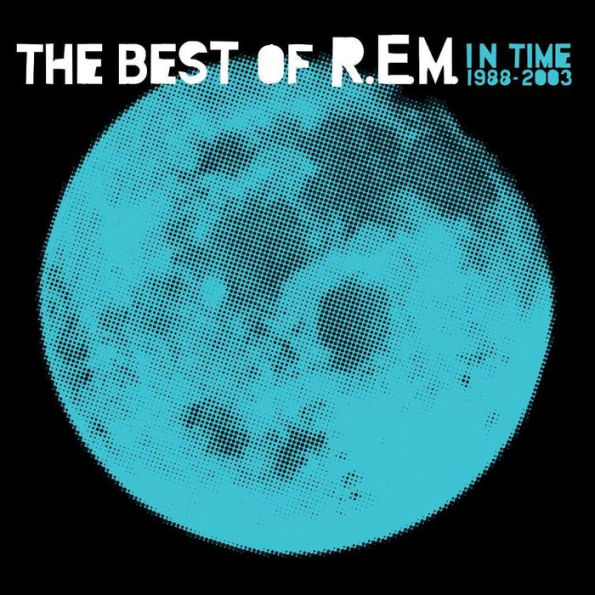
Time: The Best of R.E.M. 1988-2003 in Bloomington, MN
Current price: $11.19

Time: The Best of R.E.M. 1988-2003 in Bloomington, MN
Current price: $11.19
Loading Inventory...
Size: CD
R.E.M.
began their
Warner
contract in 1988 as the biggest band to emerge from the college-radio-fueled
American underground
. Fifteen years later, they released
In Time: The Best of R.E.M. 1988-2003
, the first overview of their long stint at
Warner Records
. During that decade and a half,
had a turbulent journey. At the outset, their legend and influence as one of the key -- if not the key -- bands of the
was firmly in place, but their success kept growing, culminating in a breakthrough to international stardom in 1991 thanks to
"Losing My Religion"
and
Out of Time
. For a few years there, they were one of the biggest bands in the world, standing as role models and godfathers for the
alt-rock
explosion of the '90s; even as
grunge
ruled the U.S. and U.K.,
were having their biggest hits with the brooding
Automatic for the People
(1992) and the guitar-heavy return-to-
rock
Monster
(1994). Then, midway through the decade, the road got a little bumpy. The
tour was plagued with problems, the most noteworthy being drummer
Bill Berry
's on-stage aneurysm in 1995. He left the band the next year, not long after the band parted ways with
Jefferson Holt
, their longtime manager who was immortalized in their 1984 song
"Little America."
Singer
Michael Stipe
, guitarist
Peter Buck
, and
Mike Mills
struggled to find their footing as a trio as they tackled more ambitious projects that found an ever more selective audience. Truth be told, this transition started on the final
Berry
album, 1996's
New Adventures in Hi-Fi
, which found
expanding their sonic template to acclaim from critics and hardcore fans, even if they started to see the audience they won over the previous decade start to shrink.
All this means the
era for
doesn't represent one particular phase of their career -- during their time at
, they went through two phases, with the first half being the culmination of their rise and the second being their awkward return to cult status. This divide is clear and fairly easy to pinpoint. In his track-by-track liner notes (neatly mirroring his notes for the 1987 rarities comp
Dead Letter Office
),
Buck
claims that dividing line is pre- and post-
"Losing My Religion,"
which is true at least as far as stardom goes, but it could be argued that the classic period ended with
Automatic
, since that follow-up to
showed that
could not only live with the fame, but flourish within it. Everything that followed
came from a different narrative and derived from a different starting point, one that was removed from the
jangle pop
that lay at the heart of their first ten years as recording artists. Related, yes, but quite different -- more self-conscious, heavily produced, and deliberate, occasionally reaping great results but just as often sounding labored. It was a great contrast to early
, where the music seemed to flow naturally and easily. Though it has no early
IRS
material,
In Time
paints this contrast effectively, not only through the
Green
material, but even through more recent material -- the new song
"Bad Day"
and the 2001 revamp of
"All the Right Friends"
(contrary to
's claim in the liners that the band did cut this for
; it even appeared as a bonus track to a European reissue of
). Both are built on a swirling, jangling
folk-rock
guitar line, propulsive rhythms, intertwined vocal harmonies, and urgent vocals from
Stipe
. In other words, they sound like classic
, and they should -- they date from the '80s and bear co-writing credits with
. Unfortunately, they sound much fresher than the other new song, the overly fussy
"Animal,"
which is the problem with
in a nutshell: the two phases of
's career don't sit well together, but here, they're given close to equal space.
the quartet does get more time than
the trio, and the latter did produce some really nice tracks, which are chronicled here:
"The Great Beyond"
is a minor masterpiece,
"All the Way to Reno"
is the best of their faux-
lounge
phase, and
"Imitation of Life"
"Daysleeper"
are good classicist
Still, the immaculate production of
Pat McCarthy
's work with
,
Mills
has a denser, heavier, more laborious feel than
Scott Litt
, and the two not only don't fit together, the oddity of the pairing points out that there are a number of missing singles -- a full 17, if international releases and radio-only hits are counted (and, given the nature of '90s
, they do count). And these aren't minor songs, either; they're modern
radio staples:
"Pop Song 89,"
"Texarkana,"
"Drive,"
"Ignoreland,"
"Bang and Blame,"
"Strange Currencies,"
"Crush With Eyeliner,"
"Bittersweet Me,"
"Shiny Happy People,"
the latter of which is roundly hated by the band yet nevertheless should be on a hits compilation for the sake of completeness. Of course, not all the songs could fit on a mere 18-track compilation -- and if they went for a double-disc set, they'd be better off with a career-spanning set -- but the song selection leaves something to be desired, even if it does present a reasonably accurate portrait of
the
adult alternative pop
band, and it certainly does point out the inconsistencies of the band's
work. So, in that sense,
is an effective collection, but it also remains a little disappointing since it not only could have been done better, but by its very nature, this compilation can't help but point out the creative cul-de-sac
found themselves in at the end of their
career. It's not the fate that anyone would have predicted in 1988. [Initial pressings of
carried a misprint on their spines that billed the collection as the best of 1998-2003, which could be seen as a revealing Freudian slip, in a way.] ~ Stephen Thomas Erlewine
began their
Warner
contract in 1988 as the biggest band to emerge from the college-radio-fueled
American underground
. Fifteen years later, they released
In Time: The Best of R.E.M. 1988-2003
, the first overview of their long stint at
Warner Records
. During that decade and a half,
had a turbulent journey. At the outset, their legend and influence as one of the key -- if not the key -- bands of the
was firmly in place, but their success kept growing, culminating in a breakthrough to international stardom in 1991 thanks to
"Losing My Religion"
and
Out of Time
. For a few years there, they were one of the biggest bands in the world, standing as role models and godfathers for the
alt-rock
explosion of the '90s; even as
grunge
ruled the U.S. and U.K.,
were having their biggest hits with the brooding
Automatic for the People
(1992) and the guitar-heavy return-to-
rock
Monster
(1994). Then, midway through the decade, the road got a little bumpy. The
tour was plagued with problems, the most noteworthy being drummer
Bill Berry
's on-stage aneurysm in 1995. He left the band the next year, not long after the band parted ways with
Jefferson Holt
, their longtime manager who was immortalized in their 1984 song
"Little America."
Singer
Michael Stipe
, guitarist
Peter Buck
, and
Mike Mills
struggled to find their footing as a trio as they tackled more ambitious projects that found an ever more selective audience. Truth be told, this transition started on the final
Berry
album, 1996's
New Adventures in Hi-Fi
, which found
expanding their sonic template to acclaim from critics and hardcore fans, even if they started to see the audience they won over the previous decade start to shrink.
All this means the
era for
doesn't represent one particular phase of their career -- during their time at
, they went through two phases, with the first half being the culmination of their rise and the second being their awkward return to cult status. This divide is clear and fairly easy to pinpoint. In his track-by-track liner notes (neatly mirroring his notes for the 1987 rarities comp
Dead Letter Office
),
Buck
claims that dividing line is pre- and post-
"Losing My Religion,"
which is true at least as far as stardom goes, but it could be argued that the classic period ended with
Automatic
, since that follow-up to
showed that
could not only live with the fame, but flourish within it. Everything that followed
came from a different narrative and derived from a different starting point, one that was removed from the
jangle pop
that lay at the heart of their first ten years as recording artists. Related, yes, but quite different -- more self-conscious, heavily produced, and deliberate, occasionally reaping great results but just as often sounding labored. It was a great contrast to early
, where the music seemed to flow naturally and easily. Though it has no early
IRS
material,
In Time
paints this contrast effectively, not only through the
Green
material, but even through more recent material -- the new song
"Bad Day"
and the 2001 revamp of
"All the Right Friends"
(contrary to
's claim in the liners that the band did cut this for
; it even appeared as a bonus track to a European reissue of
). Both are built on a swirling, jangling
folk-rock
guitar line, propulsive rhythms, intertwined vocal harmonies, and urgent vocals from
Stipe
. In other words, they sound like classic
, and they should -- they date from the '80s and bear co-writing credits with
. Unfortunately, they sound much fresher than the other new song, the overly fussy
"Animal,"
which is the problem with
in a nutshell: the two phases of
's career don't sit well together, but here, they're given close to equal space.
the quartet does get more time than
the trio, and the latter did produce some really nice tracks, which are chronicled here:
"The Great Beyond"
is a minor masterpiece,
"All the Way to Reno"
is the best of their faux-
lounge
phase, and
"Imitation of Life"
"Daysleeper"
are good classicist
Still, the immaculate production of
Pat McCarthy
's work with
,
Mills
has a denser, heavier, more laborious feel than
Scott Litt
, and the two not only don't fit together, the oddity of the pairing points out that there are a number of missing singles -- a full 17, if international releases and radio-only hits are counted (and, given the nature of '90s
, they do count). And these aren't minor songs, either; they're modern
radio staples:
"Pop Song 89,"
"Texarkana,"
"Drive,"
"Ignoreland,"
"Bang and Blame,"
"Strange Currencies,"
"Crush With Eyeliner,"
"Bittersweet Me,"
"Shiny Happy People,"
the latter of which is roundly hated by the band yet nevertheless should be on a hits compilation for the sake of completeness. Of course, not all the songs could fit on a mere 18-track compilation -- and if they went for a double-disc set, they'd be better off with a career-spanning set -- but the song selection leaves something to be desired, even if it does present a reasonably accurate portrait of
the
adult alternative pop
band, and it certainly does point out the inconsistencies of the band's
work. So, in that sense,
is an effective collection, but it also remains a little disappointing since it not only could have been done better, but by its very nature, this compilation can't help but point out the creative cul-de-sac
found themselves in at the end of their
career. It's not the fate that anyone would have predicted in 1988. [Initial pressings of
carried a misprint on their spines that billed the collection as the best of 1998-2003, which could be seen as a revealing Freudian slip, in a way.] ~ Stephen Thomas Erlewine
R.E.M.
began their
Warner
contract in 1988 as the biggest band to emerge from the college-radio-fueled
American underground
. Fifteen years later, they released
In Time: The Best of R.E.M. 1988-2003
, the first overview of their long stint at
Warner Records
. During that decade and a half,
had a turbulent journey. At the outset, their legend and influence as one of the key -- if not the key -- bands of the
was firmly in place, but their success kept growing, culminating in a breakthrough to international stardom in 1991 thanks to
"Losing My Religion"
and
Out of Time
. For a few years there, they were one of the biggest bands in the world, standing as role models and godfathers for the
alt-rock
explosion of the '90s; even as
grunge
ruled the U.S. and U.K.,
were having their biggest hits with the brooding
Automatic for the People
(1992) and the guitar-heavy return-to-
rock
Monster
(1994). Then, midway through the decade, the road got a little bumpy. The
tour was plagued with problems, the most noteworthy being drummer
Bill Berry
's on-stage aneurysm in 1995. He left the band the next year, not long after the band parted ways with
Jefferson Holt
, their longtime manager who was immortalized in their 1984 song
"Little America."
Singer
Michael Stipe
, guitarist
Peter Buck
, and
Mike Mills
struggled to find their footing as a trio as they tackled more ambitious projects that found an ever more selective audience. Truth be told, this transition started on the final
Berry
album, 1996's
New Adventures in Hi-Fi
, which found
expanding their sonic template to acclaim from critics and hardcore fans, even if they started to see the audience they won over the previous decade start to shrink.
All this means the
era for
doesn't represent one particular phase of their career -- during their time at
, they went through two phases, with the first half being the culmination of their rise and the second being their awkward return to cult status. This divide is clear and fairly easy to pinpoint. In his track-by-track liner notes (neatly mirroring his notes for the 1987 rarities comp
Dead Letter Office
),
Buck
claims that dividing line is pre- and post-
"Losing My Religion,"
which is true at least as far as stardom goes, but it could be argued that the classic period ended with
Automatic
, since that follow-up to
showed that
could not only live with the fame, but flourish within it. Everything that followed
came from a different narrative and derived from a different starting point, one that was removed from the
jangle pop
that lay at the heart of their first ten years as recording artists. Related, yes, but quite different -- more self-conscious, heavily produced, and deliberate, occasionally reaping great results but just as often sounding labored. It was a great contrast to early
, where the music seemed to flow naturally and easily. Though it has no early
IRS
material,
In Time
paints this contrast effectively, not only through the
Green
material, but even through more recent material -- the new song
"Bad Day"
and the 2001 revamp of
"All the Right Friends"
(contrary to
's claim in the liners that the band did cut this for
; it even appeared as a bonus track to a European reissue of
). Both are built on a swirling, jangling
folk-rock
guitar line, propulsive rhythms, intertwined vocal harmonies, and urgent vocals from
Stipe
. In other words, they sound like classic
, and they should -- they date from the '80s and bear co-writing credits with
. Unfortunately, they sound much fresher than the other new song, the overly fussy
"Animal,"
which is the problem with
in a nutshell: the two phases of
's career don't sit well together, but here, they're given close to equal space.
the quartet does get more time than
the trio, and the latter did produce some really nice tracks, which are chronicled here:
"The Great Beyond"
is a minor masterpiece,
"All the Way to Reno"
is the best of their faux-
lounge
phase, and
"Imitation of Life"
"Daysleeper"
are good classicist
Still, the immaculate production of
Pat McCarthy
's work with
,
Mills
has a denser, heavier, more laborious feel than
Scott Litt
, and the two not only don't fit together, the oddity of the pairing points out that there are a number of missing singles -- a full 17, if international releases and radio-only hits are counted (and, given the nature of '90s
, they do count). And these aren't minor songs, either; they're modern
radio staples:
"Pop Song 89,"
"Texarkana,"
"Drive,"
"Ignoreland,"
"Bang and Blame,"
"Strange Currencies,"
"Crush With Eyeliner,"
"Bittersweet Me,"
"Shiny Happy People,"
the latter of which is roundly hated by the band yet nevertheless should be on a hits compilation for the sake of completeness. Of course, not all the songs could fit on a mere 18-track compilation -- and if they went for a double-disc set, they'd be better off with a career-spanning set -- but the song selection leaves something to be desired, even if it does present a reasonably accurate portrait of
the
adult alternative pop
band, and it certainly does point out the inconsistencies of the band's
work. So, in that sense,
is an effective collection, but it also remains a little disappointing since it not only could have been done better, but by its very nature, this compilation can't help but point out the creative cul-de-sac
found themselves in at the end of their
career. It's not the fate that anyone would have predicted in 1988. [Initial pressings of
carried a misprint on their spines that billed the collection as the best of 1998-2003, which could be seen as a revealing Freudian slip, in a way.] ~ Stephen Thomas Erlewine
began their
Warner
contract in 1988 as the biggest band to emerge from the college-radio-fueled
American underground
. Fifteen years later, they released
In Time: The Best of R.E.M. 1988-2003
, the first overview of their long stint at
Warner Records
. During that decade and a half,
had a turbulent journey. At the outset, their legend and influence as one of the key -- if not the key -- bands of the
was firmly in place, but their success kept growing, culminating in a breakthrough to international stardom in 1991 thanks to
"Losing My Religion"
and
Out of Time
. For a few years there, they were one of the biggest bands in the world, standing as role models and godfathers for the
alt-rock
explosion of the '90s; even as
grunge
ruled the U.S. and U.K.,
were having their biggest hits with the brooding
Automatic for the People
(1992) and the guitar-heavy return-to-
rock
Monster
(1994). Then, midway through the decade, the road got a little bumpy. The
tour was plagued with problems, the most noteworthy being drummer
Bill Berry
's on-stage aneurysm in 1995. He left the band the next year, not long after the band parted ways with
Jefferson Holt
, their longtime manager who was immortalized in their 1984 song
"Little America."
Singer
Michael Stipe
, guitarist
Peter Buck
, and
Mike Mills
struggled to find their footing as a trio as they tackled more ambitious projects that found an ever more selective audience. Truth be told, this transition started on the final
Berry
album, 1996's
New Adventures in Hi-Fi
, which found
expanding their sonic template to acclaim from critics and hardcore fans, even if they started to see the audience they won over the previous decade start to shrink.
All this means the
era for
doesn't represent one particular phase of their career -- during their time at
, they went through two phases, with the first half being the culmination of their rise and the second being their awkward return to cult status. This divide is clear and fairly easy to pinpoint. In his track-by-track liner notes (neatly mirroring his notes for the 1987 rarities comp
Dead Letter Office
),
Buck
claims that dividing line is pre- and post-
"Losing My Religion,"
which is true at least as far as stardom goes, but it could be argued that the classic period ended with
Automatic
, since that follow-up to
showed that
could not only live with the fame, but flourish within it. Everything that followed
came from a different narrative and derived from a different starting point, one that was removed from the
jangle pop
that lay at the heart of their first ten years as recording artists. Related, yes, but quite different -- more self-conscious, heavily produced, and deliberate, occasionally reaping great results but just as often sounding labored. It was a great contrast to early
, where the music seemed to flow naturally and easily. Though it has no early
IRS
material,
In Time
paints this contrast effectively, not only through the
Green
material, but even through more recent material -- the new song
"Bad Day"
and the 2001 revamp of
"All the Right Friends"
(contrary to
's claim in the liners that the band did cut this for
; it even appeared as a bonus track to a European reissue of
). Both are built on a swirling, jangling
folk-rock
guitar line, propulsive rhythms, intertwined vocal harmonies, and urgent vocals from
Stipe
. In other words, they sound like classic
, and they should -- they date from the '80s and bear co-writing credits with
. Unfortunately, they sound much fresher than the other new song, the overly fussy
"Animal,"
which is the problem with
in a nutshell: the two phases of
's career don't sit well together, but here, they're given close to equal space.
the quartet does get more time than
the trio, and the latter did produce some really nice tracks, which are chronicled here:
"The Great Beyond"
is a minor masterpiece,
"All the Way to Reno"
is the best of their faux-
lounge
phase, and
"Imitation of Life"
"Daysleeper"
are good classicist
Still, the immaculate production of
Pat McCarthy
's work with
,
Mills
has a denser, heavier, more laborious feel than
Scott Litt
, and the two not only don't fit together, the oddity of the pairing points out that there are a number of missing singles -- a full 17, if international releases and radio-only hits are counted (and, given the nature of '90s
, they do count). And these aren't minor songs, either; they're modern
radio staples:
"Pop Song 89,"
"Texarkana,"
"Drive,"
"Ignoreland,"
"Bang and Blame,"
"Strange Currencies,"
"Crush With Eyeliner,"
"Bittersweet Me,"
"Shiny Happy People,"
the latter of which is roundly hated by the band yet nevertheless should be on a hits compilation for the sake of completeness. Of course, not all the songs could fit on a mere 18-track compilation -- and if they went for a double-disc set, they'd be better off with a career-spanning set -- but the song selection leaves something to be desired, even if it does present a reasonably accurate portrait of
the
adult alternative pop
band, and it certainly does point out the inconsistencies of the band's
work. So, in that sense,
is an effective collection, but it also remains a little disappointing since it not only could have been done better, but by its very nature, this compilation can't help but point out the creative cul-de-sac
found themselves in at the end of their
career. It's not the fate that anyone would have predicted in 1988. [Initial pressings of
carried a misprint on their spines that billed the collection as the best of 1998-2003, which could be seen as a revealing Freudian slip, in a way.] ~ Stephen Thomas Erlewine

![the Best of Lettermen [Curb] [Barnes & Noble Exclusive]](https://prodimage.images-bn.com/pimages/0715187759510_p0_v4_s600x595.jpg)

![the Best of Gipsy Kings [Ruby Translucent Vinyl 2 LP] [Barnes & Noble Exclusive]](https://prodimage.images-bn.com/pimages/0075597899214_p0_v2_s600x595.jpg)
![The Story So Far: Best of Def Leppard [Magenta Vinyl] [Barnes & Noble Exclusive]](https://prodimage.images-bn.com/pimages/0602465610550_p0_v1_s600x595.jpg)

![The Best Of Creed [Red Smoke Vinyl] [Barnes & Noble Exclusive]](https://prodimage.images-bn.com/pimages/0888072732872_p0_v1_s600x595.jpg)
![The Best of Bublé [Green Vinyl 2 LP] [Barnes & Noble Exclusive]](https://prodimage.images-bn.com/pimages/0093624838531_p0_v4_s600x595.jpg)







Find at Mall of America® in Bloomington, MN
Visit at Mall of America® in Bloomington, MN