


Home
The School Garden Curriculum: An Integrated K-8 Guide for Discovering Science, Ecology, and Whole-Systems Thinking
Barnes and Noble
Loading Inventory...
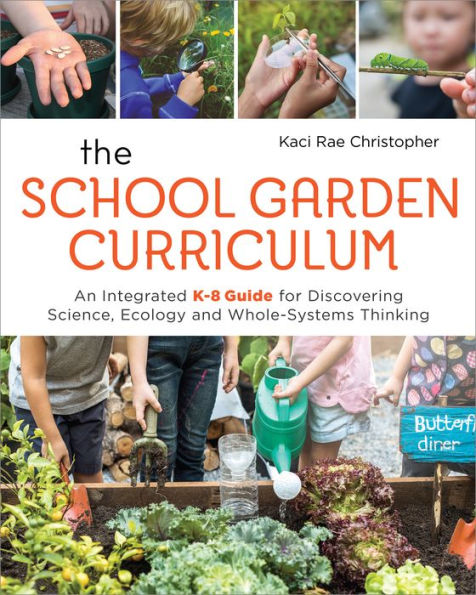
The School Garden Curriculum: An Integrated K-8 Guide for Discovering Science, Ecology, and Whole-Systems Thinking in Bloomington, MN
Current price: $44.99

The School Garden Curriculum: An Integrated K-8 Guide for Discovering Science, Ecology, and Whole-Systems Thinking in Bloomington, MN
Current price: $44.99
Loading Inventory...
Size: Paperback
Transform classroom learning into hands-on discovery that improves academic outcomes while teaching real-world skills.
Complete K-8 curriculum connects science, ecology, and systems thinking through practical gardening projects that engage even the most reluctant learners and meet educational standards.
Why Garden-Based Learning Works:
Students learn better when education is tangible and relevant. Garden curriculum integrates math, science, and environmental studies naturally while developing responsibility, patience, and problem-solving skills traditional classroom methods can't teach.
What You'll Implement:
Season-by-season lesson plans
integrating math, science, and environmental education
Standards-aligned activities
that meet curriculum requirements through hands-on learning
Assessment tools
measuring both academic progress and ecological literacy development
Community partnership strategies
connecting classroom learning to real-world applications
Budget-friendly implementation
for starting school gardens with minimal resources
Measurable Educational Impact:
Schools using garden-based curricula report 15-25% improvement in science test scores, increased student engagement, and enhanced environmental awareness lasting into adulthood.
Bring learning to life through nature.
Essential for educators seeking to engage students while meeting academic standards through meaningful, memorable experiences.
Complete K-8 curriculum connects science, ecology, and systems thinking through practical gardening projects that engage even the most reluctant learners and meet educational standards.
Why Garden-Based Learning Works:
Students learn better when education is tangible and relevant. Garden curriculum integrates math, science, and environmental studies naturally while developing responsibility, patience, and problem-solving skills traditional classroom methods can't teach.
What You'll Implement:
Season-by-season lesson plans
integrating math, science, and environmental education
Standards-aligned activities
that meet curriculum requirements through hands-on learning
Assessment tools
measuring both academic progress and ecological literacy development
Community partnership strategies
connecting classroom learning to real-world applications
Budget-friendly implementation
for starting school gardens with minimal resources
Measurable Educational Impact:
Schools using garden-based curricula report 15-25% improvement in science test scores, increased student engagement, and enhanced environmental awareness lasting into adulthood.
Bring learning to life through nature.
Essential for educators seeking to engage students while meeting academic standards through meaningful, memorable experiences.
Transform classroom learning into hands-on discovery that improves academic outcomes while teaching real-world skills.
Complete K-8 curriculum connects science, ecology, and systems thinking through practical gardening projects that engage even the most reluctant learners and meet educational standards.
Why Garden-Based Learning Works:
Students learn better when education is tangible and relevant. Garden curriculum integrates math, science, and environmental studies naturally while developing responsibility, patience, and problem-solving skills traditional classroom methods can't teach.
What You'll Implement:
Season-by-season lesson plans
integrating math, science, and environmental education
Standards-aligned activities
that meet curriculum requirements through hands-on learning
Assessment tools
measuring both academic progress and ecological literacy development
Community partnership strategies
connecting classroom learning to real-world applications
Budget-friendly implementation
for starting school gardens with minimal resources
Measurable Educational Impact:
Schools using garden-based curricula report 15-25% improvement in science test scores, increased student engagement, and enhanced environmental awareness lasting into adulthood.
Bring learning to life through nature.
Essential for educators seeking to engage students while meeting academic standards through meaningful, memorable experiences.
Complete K-8 curriculum connects science, ecology, and systems thinking through practical gardening projects that engage even the most reluctant learners and meet educational standards.
Why Garden-Based Learning Works:
Students learn better when education is tangible and relevant. Garden curriculum integrates math, science, and environmental studies naturally while developing responsibility, patience, and problem-solving skills traditional classroom methods can't teach.
What You'll Implement:
Season-by-season lesson plans
integrating math, science, and environmental education
Standards-aligned activities
that meet curriculum requirements through hands-on learning
Assessment tools
measuring both academic progress and ecological literacy development
Community partnership strategies
connecting classroom learning to real-world applications
Budget-friendly implementation
for starting school gardens with minimal resources
Measurable Educational Impact:
Schools using garden-based curricula report 15-25% improvement in science test scores, increased student engagement, and enhanced environmental awareness lasting into adulthood.
Bring learning to life through nature.
Essential for educators seeking to engage students while meeting academic standards through meaningful, memorable experiences.
Shop Similar Products
















Find at Mall of America® in Bloomington, MN
Visit at Mall of America® in Bloomington, MN