


Home
The Good Citizen: Markers of Privilege America
Barnes and Noble
Loading Inventory...
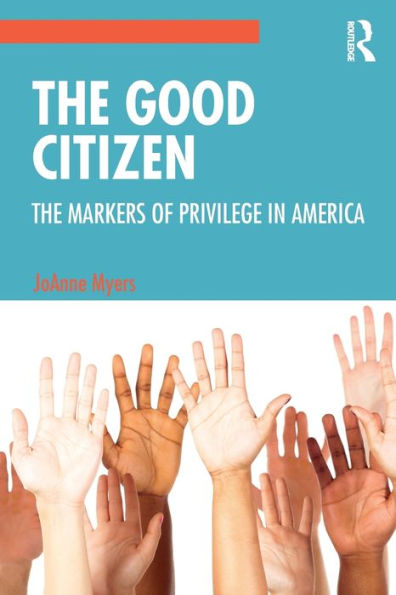
The Good Citizen: Markers of Privilege America in Bloomington, MN
Current price: $190.00

The Good Citizen: Markers of Privilege America in Bloomington, MN
Current price: $190.00
Loading Inventory...
Size: Hardcover
Using applied political theory, JoAnne Myers presents five markers by which citizens become second-class citizens—property, productivity, participation, patriotism, and reproduction. Citizenship is a highly contested status since it grants members political rights and responsibilities. It is contextualized by cultural, political, historical, economic, situational, and place. In the United States, we think of citizenship in principle as democratic, but citizenship is not just a binary status: norms, policies, and laws can mark some citizens as “other.”
In
The Good Citizen: The Markers of Privilege in America
, Myers argues that being marked as not having or achieving these markers is how citizenship is controlled and regulated. To illustrate this argument, each chapter begins with a practical question or myth to ease the reader into the marker being examined. She later articulates the ways in which law and norms and biopower regulates and controls citizens in three policy areas.
Myers moves beyond theories of citizen marginalization based on identity politics and intersectionality to provide a new understanding of citizenship practice.
The Good Citizen
will be of interest to scholars and researchers of politics, sociology, or legal studies of citizenship, and anyone concerned with distributive justice.
In
The Good Citizen: The Markers of Privilege in America
, Myers argues that being marked as not having or achieving these markers is how citizenship is controlled and regulated. To illustrate this argument, each chapter begins with a practical question or myth to ease the reader into the marker being examined. She later articulates the ways in which law and norms and biopower regulates and controls citizens in three policy areas.
Myers moves beyond theories of citizen marginalization based on identity politics and intersectionality to provide a new understanding of citizenship practice.
The Good Citizen
will be of interest to scholars and researchers of politics, sociology, or legal studies of citizenship, and anyone concerned with distributive justice.
Using applied political theory, JoAnne Myers presents five markers by which citizens become second-class citizens—property, productivity, participation, patriotism, and reproduction. Citizenship is a highly contested status since it grants members political rights and responsibilities. It is contextualized by cultural, political, historical, economic, situational, and place. In the United States, we think of citizenship in principle as democratic, but citizenship is not just a binary status: norms, policies, and laws can mark some citizens as “other.”
In
The Good Citizen: The Markers of Privilege in America
, Myers argues that being marked as not having or achieving these markers is how citizenship is controlled and regulated. To illustrate this argument, each chapter begins with a practical question or myth to ease the reader into the marker being examined. She later articulates the ways in which law and norms and biopower regulates and controls citizens in three policy areas.
Myers moves beyond theories of citizen marginalization based on identity politics and intersectionality to provide a new understanding of citizenship practice.
The Good Citizen
will be of interest to scholars and researchers of politics, sociology, or legal studies of citizenship, and anyone concerned with distributive justice.
In
The Good Citizen: The Markers of Privilege in America
, Myers argues that being marked as not having or achieving these markers is how citizenship is controlled and regulated. To illustrate this argument, each chapter begins with a practical question or myth to ease the reader into the marker being examined. She later articulates the ways in which law and norms and biopower regulates and controls citizens in three policy areas.
Myers moves beyond theories of citizen marginalization based on identity politics and intersectionality to provide a new understanding of citizenship practice.
The Good Citizen
will be of interest to scholars and researchers of politics, sociology, or legal studies of citizenship, and anyone concerned with distributive justice.
![Ain't That Good News [Red Vinyl] [Barnes & Noble Exclusive]](https://prodimage.images-bn.com/pimages/0018771218210_p0_v1_s600x595.jpg)











Find at Mall of America® in Bloomington, MN
Visit at Mall of America® in Bloomington, MN