


Home
The Dark Landscape of Modern Fiction
Barnes and Noble
Loading Inventory...
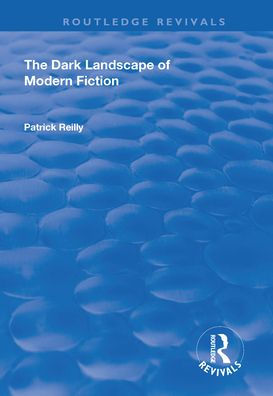
The Dark Landscape of Modern Fiction in Bloomington, MN
Current price: $105.00

The Dark Landscape of Modern Fiction in Bloomington, MN
Current price: $105.00
Loading Inventory...
Size: Hardcover
This title was first published in 2003. This text explores the "dark, pessimistic truth that pervades the pages of modern texts", setting a theme of Dante's "Inferno" against the work of modern authors including Dostoyevsky, Hardy, Conrad, Wharton, Kafka, Camus, Waugh and Flannery O'Connor. The author's thesis is that these writers exhibit a hostility towards the reader, an anger that the reader should continue to be so deludedly happy when the writer has become so mortifyingly enlightened. At its most characteristic, Reilly demonstrates, modern fiction seems to achieve a savage satisfaction in inflicting this pain, to an extent that could be described as sadistic. Reilly traces what he calls this "punitive spirit" to a character in the "Inferno", Vanni Fucci, who suffering himself does his best to make Dante suffer too. Through the study he uses the "Inferno" as a guide to the prevailing attitudes in modern fiction, revealing a parallel between the prohibition of pity within the medieval poem and in the pages of modern texts.
This title was first published in 2003. This text explores the "dark, pessimistic truth that pervades the pages of modern texts", setting a theme of Dante's "Inferno" against the work of modern authors including Dostoyevsky, Hardy, Conrad, Wharton, Kafka, Camus, Waugh and Flannery O'Connor. The author's thesis is that these writers exhibit a hostility towards the reader, an anger that the reader should continue to be so deludedly happy when the writer has become so mortifyingly enlightened. At its most characteristic, Reilly demonstrates, modern fiction seems to achieve a savage satisfaction in inflicting this pain, to an extent that could be described as sadistic. Reilly traces what he calls this "punitive spirit" to a character in the "Inferno", Vanni Fucci, who suffering himself does his best to make Dante suffer too. Through the study he uses the "Inferno" as a guide to the prevailing attitudes in modern fiction, revealing a parallel between the prohibition of pity within the medieval poem and in the pages of modern texts.















Find at Mall of America® in Bloomington, MN
Visit at Mall of America® in Bloomington, MN