


Home
the Autists: Women on Spectrum
Barnes and Noble
Loading Inventory...
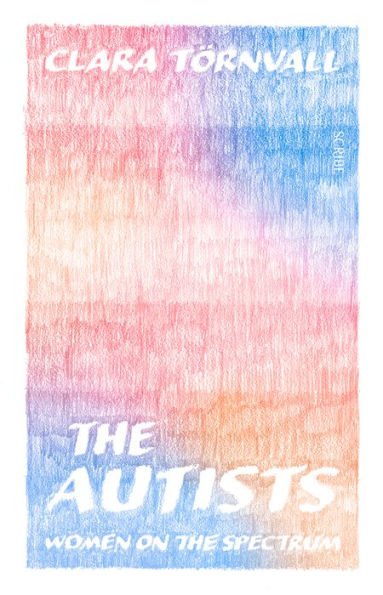
the Autists: Women on Spectrum in Bloomington, MN
Current price: $15.99

the Autists: Women on Spectrum in Bloomington, MN
Current price: $15.99
Loading Inventory...
Size: Audiobook
An incisive and deeply candid account that explores autistic women in culture, myth, and society through the prism of the author’s own diagnosis.
Until the 1980s, autism was regarded as a condition found mostly in boys. Even in our time, autistic girls and women have largely remained undiagnosed. When portrayed in popular culture, women on the spectrum often appear simply as copies of their male counterparts—talented and socially awkward.
Yet autistic women exist, and always have. They are varied in their interests and in their experiences. Autism may be relatively new as a term and a diagnosis, but not as a way of being and functioning in the world. It has always been part of the human condition. So who are these women, and what does it mean to see the world through their eyes?
In
The Autists
, Clara Törnvall reclaims the language to describe autism and explores the autistic experience in arts and culture throughout history. From popular culture, films, and photography to literature, opera, and ballet, she dares to ask what it might mean to reread these works through an autistic lens—what we might discover if we allow perspectives beyond the neurotypical to take center stage.
Until the 1980s, autism was regarded as a condition found mostly in boys. Even in our time, autistic girls and women have largely remained undiagnosed. When portrayed in popular culture, women on the spectrum often appear simply as copies of their male counterparts—talented and socially awkward.
Yet autistic women exist, and always have. They are varied in their interests and in their experiences. Autism may be relatively new as a term and a diagnosis, but not as a way of being and functioning in the world. It has always been part of the human condition. So who are these women, and what does it mean to see the world through their eyes?
In
The Autists
, Clara Törnvall reclaims the language to describe autism and explores the autistic experience in arts and culture throughout history. From popular culture, films, and photography to literature, opera, and ballet, she dares to ask what it might mean to reread these works through an autistic lens—what we might discover if we allow perspectives beyond the neurotypical to take center stage.
An incisive and deeply candid account that explores autistic women in culture, myth, and society through the prism of the author’s own diagnosis.
Until the 1980s, autism was regarded as a condition found mostly in boys. Even in our time, autistic girls and women have largely remained undiagnosed. When portrayed in popular culture, women on the spectrum often appear simply as copies of their male counterparts—talented and socially awkward.
Yet autistic women exist, and always have. They are varied in their interests and in their experiences. Autism may be relatively new as a term and a diagnosis, but not as a way of being and functioning in the world. It has always been part of the human condition. So who are these women, and what does it mean to see the world through their eyes?
In
The Autists
, Clara Törnvall reclaims the language to describe autism and explores the autistic experience in arts and culture throughout history. From popular culture, films, and photography to literature, opera, and ballet, she dares to ask what it might mean to reread these works through an autistic lens—what we might discover if we allow perspectives beyond the neurotypical to take center stage.
Until the 1980s, autism was regarded as a condition found mostly in boys. Even in our time, autistic girls and women have largely remained undiagnosed. When portrayed in popular culture, women on the spectrum often appear simply as copies of their male counterparts—talented and socially awkward.
Yet autistic women exist, and always have. They are varied in their interests and in their experiences. Autism may be relatively new as a term and a diagnosis, but not as a way of being and functioning in the world. It has always been part of the human condition. So who are these women, and what does it mean to see the world through their eyes?
In
The Autists
, Clara Törnvall reclaims the language to describe autism and explores the autistic experience in arts and culture throughout history. From popular culture, films, and photography to literature, opera, and ballet, she dares to ask what it might mean to reread these works through an autistic lens—what we might discover if we allow perspectives beyond the neurotypical to take center stage.
Shop Similar Products






Find at Mall of America® in Bloomington, MN
Visit at Mall of America® in Bloomington, MN