


Home
Psychoanalytic Theory: Perspectives, Techniques and Social Implications
Barnes and Noble
Loading Inventory...
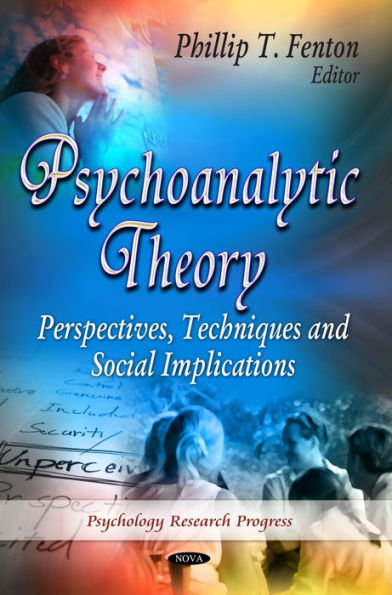
Psychoanalytic Theory: Perspectives, Techniques and Social Implications in Bloomington, MN
Current price: $210.00

Psychoanalytic Theory: Perspectives, Techniques and Social Implications in Bloomington, MN
Current price: $210.00
Loading Inventory...
Size: OS
From the inception of psychoanalysis as an exploration of unconscious motivations and the power of fantasy life, the field has adopted a Cartesian worldview. From this perspective, the focus of analysis was the “intraspychic,” what is called the “internal world,” consisting primarily of fantasies and dreams in opposition to the “external world” of perceptions and interpersonal relationships. The recognition of the bias toward the “internal” as opposed to the interpersonal motivated the development of alternative theories, primarily object relations and relational analysis, to bring together the “intrapsychic” with the interpersonal. Such a view accepts uncritically the existence of an “intrapsychic” realm somehow separated from an “external world” to which it must be joined. In this way, even the relational perspective unwittingly accepts the Cartesian subject-object split. These theories are attempting to heal a rift their Cartesian assumption has created. This book begins by discussing psychoanalysis as way of being-in-the-world. It then discusses psychoanalysis and the inverted totalitarianism of neoliberal capitalism; mass production and individuality; violations of human rights; different types of traumatization; understanding workplace stress; some new thoughts about the real relationship in psychoanalytic supervision.
From the inception of psychoanalysis as an exploration of unconscious motivations and the power of fantasy life, the field has adopted a Cartesian worldview. From this perspective, the focus of analysis was the “intraspychic,” what is called the “internal world,” consisting primarily of fantasies and dreams in opposition to the “external world” of perceptions and interpersonal relationships. The recognition of the bias toward the “internal” as opposed to the interpersonal motivated the development of alternative theories, primarily object relations and relational analysis, to bring together the “intrapsychic” with the interpersonal. Such a view accepts uncritically the existence of an “intrapsychic” realm somehow separated from an “external world” to which it must be joined. In this way, even the relational perspective unwittingly accepts the Cartesian subject-object split. These theories are attempting to heal a rift their Cartesian assumption has created. This book begins by discussing psychoanalysis as way of being-in-the-world. It then discusses psychoanalysis and the inverted totalitarianism of neoliberal capitalism; mass production and individuality; violations of human rights; different types of traumatization; understanding workplace stress; some new thoughts about the real relationship in psychoanalytic supervision.
Shop Similar Products















Find at Mall of America® in Bloomington, MN
Visit at Mall of America® in Bloomington, MN