


Home
Mozart: Piano Concertos K242, K315f, K365
Barnes and Noble
Loading Inventory...
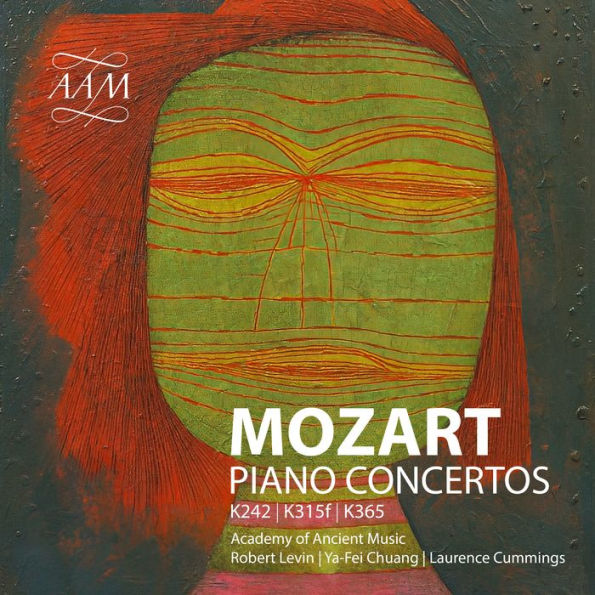
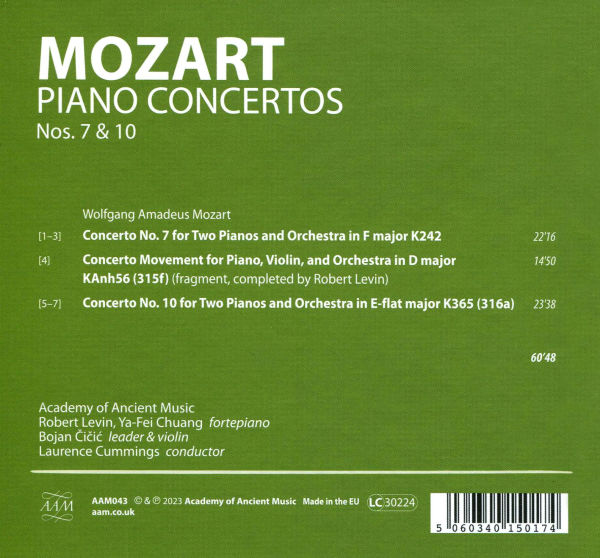
Mozart: Piano Concertos K242, K315f, K365 in Bloomington, MN
Current price: $28.99

Mozart: Piano Concertos K242, K315f, K365 in Bloomington, MN
Current price: $28.99
Loading Inventory...
Size: OS
This is
volume 11
of a
Mozart
piano concerto series instigated in the 1990s by the then-conductor of the
Academy of Ancient Music
,
Christopher Hogwood
. The series foundered due to lack of funds but was revived during the COVID-19 pandemic. The massive booklet, well worth the money for physical album buyers, tells the whole story and includes essays on the performers here, the immediate history of these
works, one on the later history of the concerto for multiple instruments, and even one on artist
Paul Klee
's interest in music (a little tribute to
Hogwood
), and more. The central figure is pianist
Robert Levin
, a
specialist whose ways with the composer are nothing if not controversial. Those who have heard
Levin
before will not be unaware of what they are getting into here. He injects a substantial element of improvisation in the form of ornamentation and genuinely improvised cadenzas, presumably as
would have done.
even disregards
's explicit instructions in the
Concerto for two pianos in F major, K. 242
; he uses just one piano for a continuo part where
specifies both. Listeners must decide for themselves what they think of all this, but no one can accuse
of supplying a superfluous new version of
nor of being boring in the least. There is also a new piece, an unfinished
Concerto movement for piano, violin, and orchestra, K. Anh. 56
, in a completion by
. In the
F major concerto
(played in its rarer reworked two-piano version by
, rather than in the original for three pianos), and in the
Piano Concerto No. 10 in E flat major, K. 365
is joined by pianist
Ya-Fei Chuang
, to whom he is married; violinist
Bojan Cicic
appears in the unfinished concerto, and the conductor of the
is
Laurence Cummings
. The music is played on historical instruments at A = 430 Hz, just slightly flatter than modern concert pitch. One looks forward to seeing what innovations are coming in
's later concertos. This album landed on classical best-seller lists in the autumn of 2023. ~ James Manheim
volume 11
of a
Mozart
piano concerto series instigated in the 1990s by the then-conductor of the
Academy of Ancient Music
,
Christopher Hogwood
. The series foundered due to lack of funds but was revived during the COVID-19 pandemic. The massive booklet, well worth the money for physical album buyers, tells the whole story and includes essays on the performers here, the immediate history of these
works, one on the later history of the concerto for multiple instruments, and even one on artist
Paul Klee
's interest in music (a little tribute to
Hogwood
), and more. The central figure is pianist
Robert Levin
, a
specialist whose ways with the composer are nothing if not controversial. Those who have heard
Levin
before will not be unaware of what they are getting into here. He injects a substantial element of improvisation in the form of ornamentation and genuinely improvised cadenzas, presumably as
would have done.
even disregards
's explicit instructions in the
Concerto for two pianos in F major, K. 242
; he uses just one piano for a continuo part where
specifies both. Listeners must decide for themselves what they think of all this, but no one can accuse
of supplying a superfluous new version of
nor of being boring in the least. There is also a new piece, an unfinished
Concerto movement for piano, violin, and orchestra, K. Anh. 56
, in a completion by
. In the
F major concerto
(played in its rarer reworked two-piano version by
, rather than in the original for three pianos), and in the
Piano Concerto No. 10 in E flat major, K. 365
is joined by pianist
Ya-Fei Chuang
, to whom he is married; violinist
Bojan Cicic
appears in the unfinished concerto, and the conductor of the
is
Laurence Cummings
. The music is played on historical instruments at A = 430 Hz, just slightly flatter than modern concert pitch. One looks forward to seeing what innovations are coming in
's later concertos. This album landed on classical best-seller lists in the autumn of 2023. ~ James Manheim
This is
volume 11
of a
Mozart
piano concerto series instigated in the 1990s by the then-conductor of the
Academy of Ancient Music
,
Christopher Hogwood
. The series foundered due to lack of funds but was revived during the COVID-19 pandemic. The massive booklet, well worth the money for physical album buyers, tells the whole story and includes essays on the performers here, the immediate history of these
works, one on the later history of the concerto for multiple instruments, and even one on artist
Paul Klee
's interest in music (a little tribute to
Hogwood
), and more. The central figure is pianist
Robert Levin
, a
specialist whose ways with the composer are nothing if not controversial. Those who have heard
Levin
before will not be unaware of what they are getting into here. He injects a substantial element of improvisation in the form of ornamentation and genuinely improvised cadenzas, presumably as
would have done.
even disregards
's explicit instructions in the
Concerto for two pianos in F major, K. 242
; he uses just one piano for a continuo part where
specifies both. Listeners must decide for themselves what they think of all this, but no one can accuse
of supplying a superfluous new version of
nor of being boring in the least. There is also a new piece, an unfinished
Concerto movement for piano, violin, and orchestra, K. Anh. 56
, in a completion by
. In the
F major concerto
(played in its rarer reworked two-piano version by
, rather than in the original for three pianos), and in the
Piano Concerto No. 10 in E flat major, K. 365
is joined by pianist
Ya-Fei Chuang
, to whom he is married; violinist
Bojan Cicic
appears in the unfinished concerto, and the conductor of the
is
Laurence Cummings
. The music is played on historical instruments at A = 430 Hz, just slightly flatter than modern concert pitch. One looks forward to seeing what innovations are coming in
's later concertos. This album landed on classical best-seller lists in the autumn of 2023. ~ James Manheim
volume 11
of a
Mozart
piano concerto series instigated in the 1990s by the then-conductor of the
Academy of Ancient Music
,
Christopher Hogwood
. The series foundered due to lack of funds but was revived during the COVID-19 pandemic. The massive booklet, well worth the money for physical album buyers, tells the whole story and includes essays on the performers here, the immediate history of these
works, one on the later history of the concerto for multiple instruments, and even one on artist
Paul Klee
's interest in music (a little tribute to
Hogwood
), and more. The central figure is pianist
Robert Levin
, a
specialist whose ways with the composer are nothing if not controversial. Those who have heard
Levin
before will not be unaware of what they are getting into here. He injects a substantial element of improvisation in the form of ornamentation and genuinely improvised cadenzas, presumably as
would have done.
even disregards
's explicit instructions in the
Concerto for two pianos in F major, K. 242
; he uses just one piano for a continuo part where
specifies both. Listeners must decide for themselves what they think of all this, but no one can accuse
of supplying a superfluous new version of
nor of being boring in the least. There is also a new piece, an unfinished
Concerto movement for piano, violin, and orchestra, K. Anh. 56
, in a completion by
. In the
F major concerto
(played in its rarer reworked two-piano version by
, rather than in the original for three pianos), and in the
Piano Concerto No. 10 in E flat major, K. 365
is joined by pianist
Ya-Fei Chuang
, to whom he is married; violinist
Bojan Cicic
appears in the unfinished concerto, and the conductor of the
is
Laurence Cummings
. The music is played on historical instruments at A = 430 Hz, just slightly flatter than modern concert pitch. One looks forward to seeing what innovations are coming in
's later concertos. This album landed on classical best-seller lists in the autumn of 2023. ~ James Manheim
Shop Similar Products






Find at Mall of America® in Bloomington, MN
Visit at Mall of America® in Bloomington, MN