


Home
Maine's Two-Footer Railroads: The Linwood Moody Collection
Barnes and Noble
Loading Inventory...
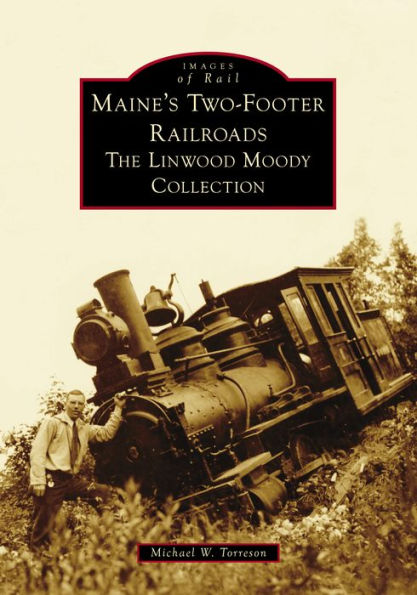
Maine's Two-Footer Railroads: The Linwood Moody Collection in Bloomington, MN
Current price: $24.99

Maine's Two-Footer Railroads: The Linwood Moody Collection in Bloomington, MN
Current price: $24.99
Loading Inventory...
Size: OS
Beginning in 1932, Linwood W. Moody (19051983) documented in photographs and collected artifacts of Maine's two-footer railroads. A pioneer of railroad photography, his work led to articles in numerous publications such as
Railroad
Magazine
and later culminated in Linwood's 1959 publication
The Maine Two-Footers
. Among his personal effects at the time of his death in 1983 were hundreds of photographs of three of the Maine two-footersthe Wiscasset, Waterville & Farmington Railway; the Sandy River & Rangeley Lakes Railroad; and the Monson Railroad. The state of Maine was unique in regards to its narrow-gauge railroads. Most railroads in the United States have a width of four feet, eight and one half inches between the rails, known as standard gauge. Due to the efforts of George Mansfield, a railroad promoter of the late 1800s, a very narrow gauge of two feet between the rails was successfully developed in the state of Maine.
Railroad
Magazine
and later culminated in Linwood's 1959 publication
The Maine Two-Footers
. Among his personal effects at the time of his death in 1983 were hundreds of photographs of three of the Maine two-footersthe Wiscasset, Waterville & Farmington Railway; the Sandy River & Rangeley Lakes Railroad; and the Monson Railroad. The state of Maine was unique in regards to its narrow-gauge railroads. Most railroads in the United States have a width of four feet, eight and one half inches between the rails, known as standard gauge. Due to the efforts of George Mansfield, a railroad promoter of the late 1800s, a very narrow gauge of two feet between the rails was successfully developed in the state of Maine.
Beginning in 1932, Linwood W. Moody (19051983) documented in photographs and collected artifacts of Maine's two-footer railroads. A pioneer of railroad photography, his work led to articles in numerous publications such as
Railroad
Magazine
and later culminated in Linwood's 1959 publication
The Maine Two-Footers
. Among his personal effects at the time of his death in 1983 were hundreds of photographs of three of the Maine two-footersthe Wiscasset, Waterville & Farmington Railway; the Sandy River & Rangeley Lakes Railroad; and the Monson Railroad. The state of Maine was unique in regards to its narrow-gauge railroads. Most railroads in the United States have a width of four feet, eight and one half inches between the rails, known as standard gauge. Due to the efforts of George Mansfield, a railroad promoter of the late 1800s, a very narrow gauge of two feet between the rails was successfully developed in the state of Maine.
Railroad
Magazine
and later culminated in Linwood's 1959 publication
The Maine Two-Footers
. Among his personal effects at the time of his death in 1983 were hundreds of photographs of three of the Maine two-footersthe Wiscasset, Waterville & Farmington Railway; the Sandy River & Rangeley Lakes Railroad; and the Monson Railroad. The state of Maine was unique in regards to its narrow-gauge railroads. Most railroads in the United States have a width of four feet, eight and one half inches between the rails, known as standard gauge. Due to the efforts of George Mansfield, a railroad promoter of the late 1800s, a very narrow gauge of two feet between the rails was successfully developed in the state of Maine.
Shop Similar Products














Find at Mall of America® in Bloomington, MN
Visit at Mall of America® in Bloomington, MN