


Home
Jos� Saramago: History, Utopia, and the Necessity of Error
Barnes and Noble
Loading Inventory...
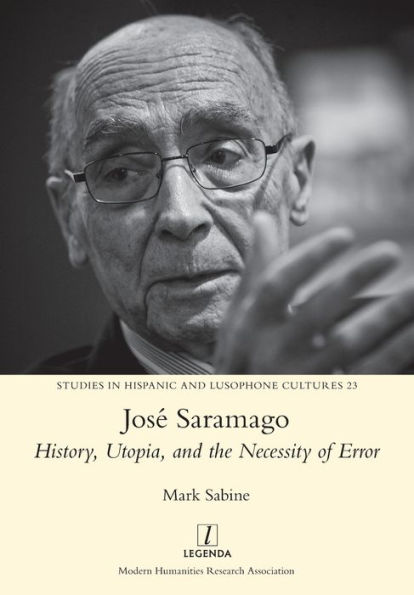
Jos� Saramago: History, Utopia, and the Necessity of Error in Bloomington, MN
Current price: $110.00

Jos� Saramago: History, Utopia, and the Necessity of Error in Bloomington, MN
Current price: $110.00
Loading Inventory...
Size: Hardcover
Although best known internationally for his 'allegorical' novels such as
Blindness
(1995), in his native Portugal, José Saramago remains most acclaimed for his earlier, richly poetic 'historical' novels. This new study of five of these works focuses on José Saramago's engagement with political and social philosophy from across Europe, so as to track his commitment to libertarian socialism in an era of neo-liberal economics and disillusion. Though deeply pessimistic about human being's capacity to deliver social justice, Saramago never abandons the progressive cause. Making use of insights from Gramsci, Walter Benjamin, and Marcuse, among others, this study argues that Saramago sought to engage his reader with a skeptical but vibrant utopianism: teaching us to abandon absolutes and embrace error as inevitable, and, indeed, even necessary. From this post-humanist perspective, humanity becomes understood as ongoing project rather than essence, challenging individuals to strive for self-knowledge and reinvention.
Mark Sabine is Lecturer in Lusophone Studies at the University of Nottingham.
Blindness
(1995), in his native Portugal, José Saramago remains most acclaimed for his earlier, richly poetic 'historical' novels. This new study of five of these works focuses on José Saramago's engagement with political and social philosophy from across Europe, so as to track his commitment to libertarian socialism in an era of neo-liberal economics and disillusion. Though deeply pessimistic about human being's capacity to deliver social justice, Saramago never abandons the progressive cause. Making use of insights from Gramsci, Walter Benjamin, and Marcuse, among others, this study argues that Saramago sought to engage his reader with a skeptical but vibrant utopianism: teaching us to abandon absolutes and embrace error as inevitable, and, indeed, even necessary. From this post-humanist perspective, humanity becomes understood as ongoing project rather than essence, challenging individuals to strive for self-knowledge and reinvention.
Mark Sabine is Lecturer in Lusophone Studies at the University of Nottingham.
Although best known internationally for his 'allegorical' novels such as
Blindness
(1995), in his native Portugal, José Saramago remains most acclaimed for his earlier, richly poetic 'historical' novels. This new study of five of these works focuses on José Saramago's engagement with political and social philosophy from across Europe, so as to track his commitment to libertarian socialism in an era of neo-liberal economics and disillusion. Though deeply pessimistic about human being's capacity to deliver social justice, Saramago never abandons the progressive cause. Making use of insights from Gramsci, Walter Benjamin, and Marcuse, among others, this study argues that Saramago sought to engage his reader with a skeptical but vibrant utopianism: teaching us to abandon absolutes and embrace error as inevitable, and, indeed, even necessary. From this post-humanist perspective, humanity becomes understood as ongoing project rather than essence, challenging individuals to strive for self-knowledge and reinvention.
Mark Sabine is Lecturer in Lusophone Studies at the University of Nottingham.
Blindness
(1995), in his native Portugal, José Saramago remains most acclaimed for his earlier, richly poetic 'historical' novels. This new study of five of these works focuses on José Saramago's engagement with political and social philosophy from across Europe, so as to track his commitment to libertarian socialism in an era of neo-liberal economics and disillusion. Though deeply pessimistic about human being's capacity to deliver social justice, Saramago never abandons the progressive cause. Making use of insights from Gramsci, Walter Benjamin, and Marcuse, among others, this study argues that Saramago sought to engage his reader with a skeptical but vibrant utopianism: teaching us to abandon absolutes and embrace error as inevitable, and, indeed, even necessary. From this post-humanist perspective, humanity becomes understood as ongoing project rather than essence, challenging individuals to strive for self-knowledge and reinvention.
Mark Sabine is Lecturer in Lusophone Studies at the University of Nottingham.
Shop Similar Products










Find at Mall of America® in Bloomington, MN
Visit at Mall of America® in Bloomington, MN