


Home
Folklore and the Fantastic Nineteenth-Century British Fiction
Barnes and Noble
Loading Inventory...
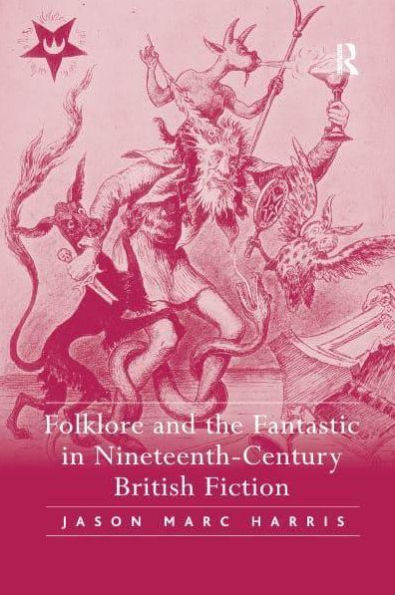
Folklore and the Fantastic Nineteenth-Century British Fiction in Bloomington, MN
Current price: $74.99

Folklore and the Fantastic Nineteenth-Century British Fiction in Bloomington, MN
Current price: $74.99
Loading Inventory...
Size: Paperback
Jason Marc Harris's ambitious book argues that the tensions between folk metaphysics and Enlightenment values produce the literary fantastic. Demonstrating that a negotiation with folklore was central to the canon of British literature, he explicates the complicated rhetoric associated with folkloric fiction. His analysis includes a wide range of writers, including James Barrie, William Carleton, Charles Dickens, George Eliot, Sheridan Le Fanu, Neil Gunn, George MacDonald, William Sharp, Robert Louis Stevenson, and James Hogg. These authors, Harris suggests, used folklore to articulate profound cultural ambivalence towards issues of class, domesticity, education, gender, imperialism, nationalism, race, politics, religion, and metaphysics. Harris's analysis of the function of folk metaphysics in nineteenth- and early twentieth-century narratives reveals the ideological agendas of the appropriation of folklore and the artistic potential of superstition in both folkloric and literary contexts of the supernatural.
Jason Marc Harris's ambitious book argues that the tensions between folk metaphysics and Enlightenment values produce the literary fantastic. Demonstrating that a negotiation with folklore was central to the canon of British literature, he explicates the complicated rhetoric associated with folkloric fiction. His analysis includes a wide range of writers, including James Barrie, William Carleton, Charles Dickens, George Eliot, Sheridan Le Fanu, Neil Gunn, George MacDonald, William Sharp, Robert Louis Stevenson, and James Hogg. These authors, Harris suggests, used folklore to articulate profound cultural ambivalence towards issues of class, domesticity, education, gender, imperialism, nationalism, race, politics, religion, and metaphysics. Harris's analysis of the function of folk metaphysics in nineteenth- and early twentieth-century narratives reveals the ideological agendas of the appropriation of folklore and the artistic potential of superstition in both folkloric and literary contexts of the supernatural.
Shop Similar Products













Find at Mall of America® in Bloomington, MN
Visit at Mall of America® in Bloomington, MN