


Home
Empathy and Political Reasoning: How Promotes Reflection Strengthens Democracy
Barnes and Noble
Loading Inventory...
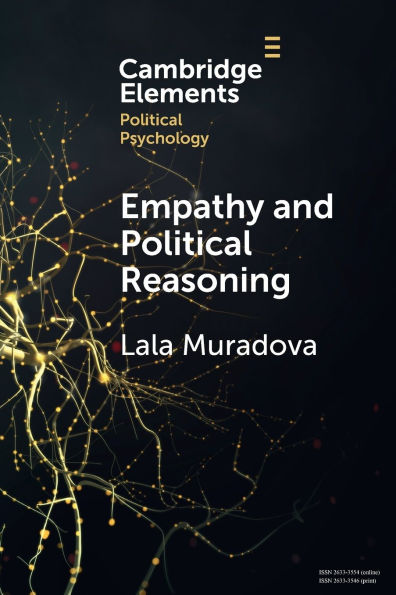
Empathy and Political Reasoning: How Promotes Reflection Strengthens Democracy in Bloomington, MN
Current price: $23.00

Empathy and Political Reasoning: How Promotes Reflection Strengthens Democracy in Bloomington, MN
Current price: $23.00
Loading Inventory...
Size: Paperback
How do individuals make up their mind about politics? This question has sparked a vigorous debate in the study of political behavior for the last few decades. Some scholars contend that citizens can and should engage in political reflection, while others highlight biases in human political reasoning that make reflection impossible. This Element is about the conditions under which citizens can be motivated to transcend their egocentric biases and engage in reflection. Rather than asking whether citizens are capable of reflection, it shifts focus to a more productive question: how to motivate reflection. Firstly, it argues that (situational) empathy for the other side can inspire citizens to think reflectively about politics. Secondly, the Element proposes that deliberative institutions have the potential to evoke empathy for the other side in individuals. Thirdly, it draws on experimental and qualitative data from Belgium, Chile, Ireland, and the UK to test the theoretical expectations.
How do individuals make up their mind about politics? This question has sparked a vigorous debate in the study of political behavior for the last few decades. Some scholars contend that citizens can and should engage in political reflection, while others highlight biases in human political reasoning that make reflection impossible. This Element is about the conditions under which citizens can be motivated to transcend their egocentric biases and engage in reflection. Rather than asking whether citizens are capable of reflection, it shifts focus to a more productive question: how to motivate reflection. Firstly, it argues that (situational) empathy for the other side can inspire citizens to think reflectively about politics. Secondly, the Element proposes that deliberative institutions have the potential to evoke empathy for the other side in individuals. Thirdly, it draws on experimental and qualitative data from Belgium, Chile, Ireland, and the UK to test the theoretical expectations.
Shop Similar Products















Find at Mall of America® in Bloomington, MN
Visit at Mall of America® in Bloomington, MN