


Home
Drop
Barnes and Noble
Loading Inventory...
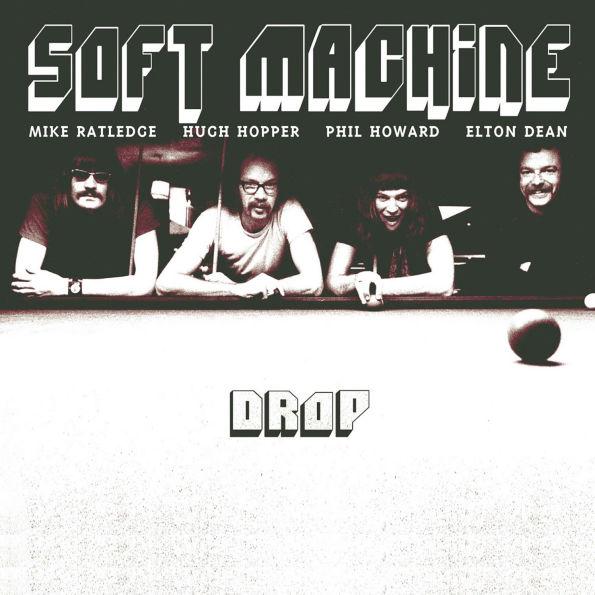
Drop in Bloomington, MN
Current price: $15.99

Drop in Bloomington, MN
Current price: $15.99
Loading Inventory...
Size: CD
Rocket blasting through the stratosphere or train wreck back down on earth? Truth be told,
Drop
is probably somewhere in the middle; no reasonably well-recorded live
Soft Machine
CD featuring
Mike Ratledge
,
Hugh Hopper
, and
Elton Dean
-- and that's what
is -- will be an unmitigated disaster. But as might be expected,
Steve Lake
's liner notes for this set, recorded on a German tour in fall 1971 and released on the
Moonjune
label nearly four decades later in the waning days of 2008, suggest that the version of the band heard here, featuring
Phil Howard
as a replacement for
Robert Wyatt
on drums, streaked across the sky rather than tumbled off the tracks.
Howard
was retained in the drummer's chair for only half a studio album back then (
Fifth
, recorded a short while after the music heard here), and
Lake
seems to feel that a potential exciting direction went unrealized due to
's early forced departure. Well, perhaps with
as drummer for a while longer,
could have realized a wilder and freer form of expression instead of "the shelter of compositional structure and arrangements," as
puts it. Then again, maybe the most appropriate reaction to
's nearly immediate replacement by
John Marshall
(playing on the other half of
, and everything that came later) would be a collective sigh of relief (even though
's dissatisfaction with this state of affairs signaled his departure from the group as well). Those believing the progress of "jazz" can be broadly summarized as leading from structure to freedom might -- assuming that
had fully transformed themselves into a jazz group by this point -- view
as the apotheosis
the Softs
as jazz musicians. But even "free" drummers are not unfamiliar with the notions of subtlety, nuance, and playing with others as opposed to against them.
A tornado of activity to be sure,
crashes and bashes nearly nonstop here, his omnipresent ride cymbal washing across nearly everything, the drummer often seemingly oblivious to keyboardist
Ratledge
, bassist
Hopper
, and even saxophonist/keyboardist
Dean
, his supposed free jazz comrade-in-arms -- not to mention the pesky "compositional structure and arrangements," most of which came courtesy of
. Yes, the versions of
"All White,"
"Drop,"
"M.C.,"
"As If,"
and
"Pigling Bland"
(which would later appear in more restrained fashion on
) and
"Slightly All the Time"
"Out-Bloody-Rageous"
(from
Third
) are filled with fiery energy and some of the most committed playing
ever put on tape (some particularly ear-shattering, note-bending stuff coming from
), if "committed" means essentially the same thing as "intense." By that measure,
is a resounding success. A contrary viewpoint might be supported, however, by comparing
to the
Live in Paris
two-disc set on
Cuneiform
, recorded after
Marshall
replaced
and featuring (on disc one) five numbers in exactly the same order as they appear on
. Substitute
-- a more rigid timekeeper but playing the changes instead of steamrolling through them -- for
and the musical result is akin to four people having a spirited dinner conversation versus three people in the dining room shouting to be heard over the clatter of somebody rummaging through pots and pans in the kitchen.
is to be commended for its archival
efforts, not to mention many stellar releases in the post-Canterbury era by both old heroes and new artists who continue to brighten up the music world well into the 21st century. And completists may very well want to plug in a gap in their
shelves by snapping up
, the one and only
album featuring
on drums from beginning to end. Others...proceed with caution. ~ Dave Lynch
Drop
is probably somewhere in the middle; no reasonably well-recorded live
Soft Machine
CD featuring
Mike Ratledge
,
Hugh Hopper
, and
Elton Dean
-- and that's what
is -- will be an unmitigated disaster. But as might be expected,
Steve Lake
's liner notes for this set, recorded on a German tour in fall 1971 and released on the
Moonjune
label nearly four decades later in the waning days of 2008, suggest that the version of the band heard here, featuring
Phil Howard
as a replacement for
Robert Wyatt
on drums, streaked across the sky rather than tumbled off the tracks.
Howard
was retained in the drummer's chair for only half a studio album back then (
Fifth
, recorded a short while after the music heard here), and
Lake
seems to feel that a potential exciting direction went unrealized due to
's early forced departure. Well, perhaps with
as drummer for a while longer,
could have realized a wilder and freer form of expression instead of "the shelter of compositional structure and arrangements," as
puts it. Then again, maybe the most appropriate reaction to
's nearly immediate replacement by
John Marshall
(playing on the other half of
, and everything that came later) would be a collective sigh of relief (even though
's dissatisfaction with this state of affairs signaled his departure from the group as well). Those believing the progress of "jazz" can be broadly summarized as leading from structure to freedom might -- assuming that
had fully transformed themselves into a jazz group by this point -- view
as the apotheosis
the Softs
as jazz musicians. But even "free" drummers are not unfamiliar with the notions of subtlety, nuance, and playing with others as opposed to against them.
A tornado of activity to be sure,
crashes and bashes nearly nonstop here, his omnipresent ride cymbal washing across nearly everything, the drummer often seemingly oblivious to keyboardist
Ratledge
, bassist
Hopper
, and even saxophonist/keyboardist
Dean
, his supposed free jazz comrade-in-arms -- not to mention the pesky "compositional structure and arrangements," most of which came courtesy of
. Yes, the versions of
"All White,"
"Drop,"
"M.C.,"
"As If,"
and
"Pigling Bland"
(which would later appear in more restrained fashion on
) and
"Slightly All the Time"
"Out-Bloody-Rageous"
(from
Third
) are filled with fiery energy and some of the most committed playing
ever put on tape (some particularly ear-shattering, note-bending stuff coming from
), if "committed" means essentially the same thing as "intense." By that measure,
is a resounding success. A contrary viewpoint might be supported, however, by comparing
to the
Live in Paris
two-disc set on
Cuneiform
, recorded after
Marshall
replaced
and featuring (on disc one) five numbers in exactly the same order as they appear on
. Substitute
-- a more rigid timekeeper but playing the changes instead of steamrolling through them -- for
and the musical result is akin to four people having a spirited dinner conversation versus three people in the dining room shouting to be heard over the clatter of somebody rummaging through pots and pans in the kitchen.
is to be commended for its archival
efforts, not to mention many stellar releases in the post-Canterbury era by both old heroes and new artists who continue to brighten up the music world well into the 21st century. And completists may very well want to plug in a gap in their
shelves by snapping up
, the one and only
album featuring
on drums from beginning to end. Others...proceed with caution. ~ Dave Lynch
Rocket blasting through the stratosphere or train wreck back down on earth? Truth be told,
Drop
is probably somewhere in the middle; no reasonably well-recorded live
Soft Machine
CD featuring
Mike Ratledge
,
Hugh Hopper
, and
Elton Dean
-- and that's what
is -- will be an unmitigated disaster. But as might be expected,
Steve Lake
's liner notes for this set, recorded on a German tour in fall 1971 and released on the
Moonjune
label nearly four decades later in the waning days of 2008, suggest that the version of the band heard here, featuring
Phil Howard
as a replacement for
Robert Wyatt
on drums, streaked across the sky rather than tumbled off the tracks.
Howard
was retained in the drummer's chair for only half a studio album back then (
Fifth
, recorded a short while after the music heard here), and
Lake
seems to feel that a potential exciting direction went unrealized due to
's early forced departure. Well, perhaps with
as drummer for a while longer,
could have realized a wilder and freer form of expression instead of "the shelter of compositional structure and arrangements," as
puts it. Then again, maybe the most appropriate reaction to
's nearly immediate replacement by
John Marshall
(playing on the other half of
, and everything that came later) would be a collective sigh of relief (even though
's dissatisfaction with this state of affairs signaled his departure from the group as well). Those believing the progress of "jazz" can be broadly summarized as leading from structure to freedom might -- assuming that
had fully transformed themselves into a jazz group by this point -- view
as the apotheosis
the Softs
as jazz musicians. But even "free" drummers are not unfamiliar with the notions of subtlety, nuance, and playing with others as opposed to against them.
A tornado of activity to be sure,
crashes and bashes nearly nonstop here, his omnipresent ride cymbal washing across nearly everything, the drummer often seemingly oblivious to keyboardist
Ratledge
, bassist
Hopper
, and even saxophonist/keyboardist
Dean
, his supposed free jazz comrade-in-arms -- not to mention the pesky "compositional structure and arrangements," most of which came courtesy of
. Yes, the versions of
"All White,"
"Drop,"
"M.C.,"
"As If,"
and
"Pigling Bland"
(which would later appear in more restrained fashion on
) and
"Slightly All the Time"
"Out-Bloody-Rageous"
(from
Third
) are filled with fiery energy and some of the most committed playing
ever put on tape (some particularly ear-shattering, note-bending stuff coming from
), if "committed" means essentially the same thing as "intense." By that measure,
is a resounding success. A contrary viewpoint might be supported, however, by comparing
to the
Live in Paris
two-disc set on
Cuneiform
, recorded after
Marshall
replaced
and featuring (on disc one) five numbers in exactly the same order as they appear on
. Substitute
-- a more rigid timekeeper but playing the changes instead of steamrolling through them -- for
and the musical result is akin to four people having a spirited dinner conversation versus three people in the dining room shouting to be heard over the clatter of somebody rummaging through pots and pans in the kitchen.
is to be commended for its archival
efforts, not to mention many stellar releases in the post-Canterbury era by both old heroes and new artists who continue to brighten up the music world well into the 21st century. And completists may very well want to plug in a gap in their
shelves by snapping up
, the one and only
album featuring
on drums from beginning to end. Others...proceed with caution. ~ Dave Lynch
Drop
is probably somewhere in the middle; no reasonably well-recorded live
Soft Machine
CD featuring
Mike Ratledge
,
Hugh Hopper
, and
Elton Dean
-- and that's what
is -- will be an unmitigated disaster. But as might be expected,
Steve Lake
's liner notes for this set, recorded on a German tour in fall 1971 and released on the
Moonjune
label nearly four decades later in the waning days of 2008, suggest that the version of the band heard here, featuring
Phil Howard
as a replacement for
Robert Wyatt
on drums, streaked across the sky rather than tumbled off the tracks.
Howard
was retained in the drummer's chair for only half a studio album back then (
Fifth
, recorded a short while after the music heard here), and
Lake
seems to feel that a potential exciting direction went unrealized due to
's early forced departure. Well, perhaps with
as drummer for a while longer,
could have realized a wilder and freer form of expression instead of "the shelter of compositional structure and arrangements," as
puts it. Then again, maybe the most appropriate reaction to
's nearly immediate replacement by
John Marshall
(playing on the other half of
, and everything that came later) would be a collective sigh of relief (even though
's dissatisfaction with this state of affairs signaled his departure from the group as well). Those believing the progress of "jazz" can be broadly summarized as leading from structure to freedom might -- assuming that
had fully transformed themselves into a jazz group by this point -- view
as the apotheosis
the Softs
as jazz musicians. But even "free" drummers are not unfamiliar with the notions of subtlety, nuance, and playing with others as opposed to against them.
A tornado of activity to be sure,
crashes and bashes nearly nonstop here, his omnipresent ride cymbal washing across nearly everything, the drummer often seemingly oblivious to keyboardist
Ratledge
, bassist
Hopper
, and even saxophonist/keyboardist
Dean
, his supposed free jazz comrade-in-arms -- not to mention the pesky "compositional structure and arrangements," most of which came courtesy of
. Yes, the versions of
"All White,"
"Drop,"
"M.C.,"
"As If,"
and
"Pigling Bland"
(which would later appear in more restrained fashion on
) and
"Slightly All the Time"
"Out-Bloody-Rageous"
(from
Third
) are filled with fiery energy and some of the most committed playing
ever put on tape (some particularly ear-shattering, note-bending stuff coming from
), if "committed" means essentially the same thing as "intense." By that measure,
is a resounding success. A contrary viewpoint might be supported, however, by comparing
to the
Live in Paris
two-disc set on
Cuneiform
, recorded after
Marshall
replaced
and featuring (on disc one) five numbers in exactly the same order as they appear on
. Substitute
-- a more rigid timekeeper but playing the changes instead of steamrolling through them -- for
and the musical result is akin to four people having a spirited dinner conversation versus three people in the dining room shouting to be heard over the clatter of somebody rummaging through pots and pans in the kitchen.
is to be commended for its archival
efforts, not to mention many stellar releases in the post-Canterbury era by both old heroes and new artists who continue to brighten up the music world well into the 21st century. And completists may very well want to plug in a gap in their
shelves by snapping up
, the one and only
album featuring
on drums from beginning to end. Others...proceed with caution. ~ Dave Lynch
![C'mon [Barnes & Noble Exclusive]](https://prodimage.images-bn.com/pimages/0751937362326_p0_v1_s600x595.jpg)



![Orpheus Descending [Barnes & Noble Exclusive]](https://prodimage.images-bn.com/pimages/0602455291592_p0_v1_s600x595.jpg)

![Old Sock [Barnes & Noble Exclusive]](https://prodimage.images-bn.com/pimages/0197188216498_p0_v1_s600x595.jpg)
![Last Bell [Barnes & Noble Exclusive]](https://prodimage.images-bn.com/pimages/0198704145698_p0_v1_s600x595.jpg)
![Echo [II] [Barnes & Noble Exclusive]](https://prodimage.images-bn.com/pimages/0198704375095_p0_v2_s600x595.jpg)
![Perfect Lie [Barnes & Noble Exclusive]](https://prodimage.images-bn.com/pimages/0602498868737_p0_v1_s600x595.jpg)



Find at Mall of America® in Bloomington, MN
Visit at Mall of America® in Bloomington, MN