


Home
Central and Eastern European Economies: Perspectives and Challenges
Barnes and Noble
Loading Inventory...
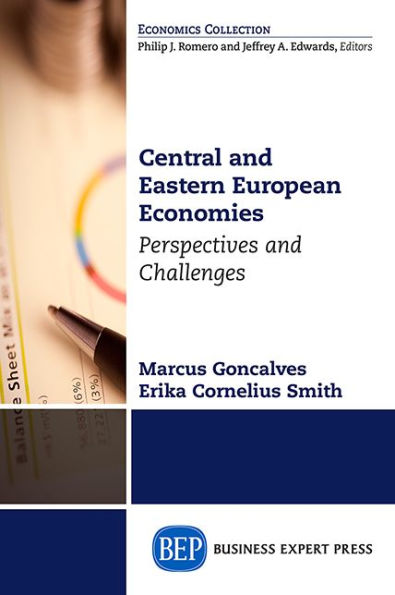
Central and Eastern European Economies: Perspectives and Challenges in Bloomington, MN
Current price: $34.95

Central and Eastern European Economies: Perspectives and Challenges in Bloomington, MN
Current price: $34.95
Loading Inventory...
Size: OS
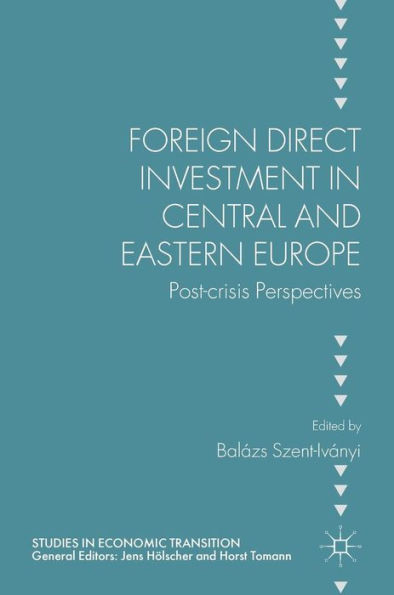
Nearly seven decades ago, six countries in Western Europe (Belgium, France, West Germany, Italy, Luxembourg, and the Netherlands) decided to take economic cooperation to the next level. The vision of the EU founding states, epitomized by the Schuman Declaration in 1950, was to tie their economies so closely together that war would become impossible. Robert Schuman, author of the plan, believed Europe could not be made all at once, or according to a single plan. It would have to be built through concrete achievements which first create a de facto solidarity. The countries within the "European Community" benefited enormously from free trade and common economic policies, in particular structural funds designed to foster convergence by funding infrastructure and investments in poorer regions. This book examines how similar transitions and integration into the European Union are experienced in individual central and eastern European states through the use of country scans in the regional blocks of CEE, SEE, and CIS.
Nearly seven decades ago, six countries in Western Europe (Belgium, France, West Germany, Italy, Luxembourg, and the Netherlands) decided to take economic cooperation to the next level. The vision of the EU founding states, epitomized by the Schuman Declaration in 1950, was to tie their economies so closely together that war would become impossible. Robert Schuman, author of the plan, believed Europe could not be made all at once, or according to a single plan. It would have to be built through concrete achievements which first create a de facto solidarity. The countries within the "European Community" benefited enormously from free trade and common economic policies, in particular structural funds designed to foster convergence by funding infrastructure and investments in poorer regions. This book examines how similar transitions and integration into the European Union are experienced in individual central and eastern European states through the use of country scans in the regional blocks of CEE, SEE, and CIS.
Shop Similar Products














Find at Mall of America® in Bloomington, MN
Visit at Mall of America® in Bloomington, MN