


Home
An Introduction to Coastal Engineering
Barnes and Noble
Loading Inventory...
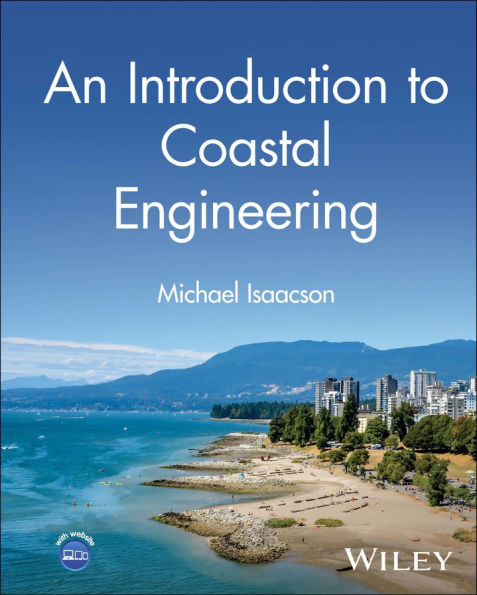
An Introduction to Coastal Engineering in Bloomington, MN
Current price: $110.00

An Introduction to Coastal Engineering in Bloomington, MN
Current price: $110.00
Loading Inventory...
Size: Hardcover
Understand and respond to a changing coastline with this comprehensive reference
Coastal engineering concerns society’s interactions with coastlines and relates, for example, to coastal flooding, beach erosion, seawalls and breakwaters, and the design of marinas. As climate change drives sea level rise, coastal engineering is critical in responding to increased coastal flooding and receding shorelines. The need to develop coastal infrastructure while minimizing environmental impacts makes this a vital field.
An Introduction to Coastal Engineering
offers a comprehensive overview of this subject, designed to bridge existing gaps in the general civil engineering literature. Covering all major aspects of coastal engineering, including ocean wave behaviour, structures, sediments, mixing processes, and modelling, the book emphasizes practical solutions and applications for students and practicing engineers alike. Thorough and rigorous, yet highly readable, the book is a must-own tool for developing solutions towards a sustainable coastal future.
readers will also find:
Pertinent descriptions of wave theories, wave transformations, and random waves
Detailed discussion of practical solutions, recent advancements in the field, and up-to-date data sources
Worked-through examples and end-of-chapter problems with some written assignments
A spreadsheet appendix containing a set of reference solutions
is ideal for students in upper-level undergraduate and graduate courses in coastal engineering, practicing coastal engineers, and other engineers engaged in coastal flood protection, waterfront development projects, and the minimization of environmental impacts along shorelines.
Coastal engineering concerns society’s interactions with coastlines and relates, for example, to coastal flooding, beach erosion, seawalls and breakwaters, and the design of marinas. As climate change drives sea level rise, coastal engineering is critical in responding to increased coastal flooding and receding shorelines. The need to develop coastal infrastructure while minimizing environmental impacts makes this a vital field.
An Introduction to Coastal Engineering
offers a comprehensive overview of this subject, designed to bridge existing gaps in the general civil engineering literature. Covering all major aspects of coastal engineering, including ocean wave behaviour, structures, sediments, mixing processes, and modelling, the book emphasizes practical solutions and applications for students and practicing engineers alike. Thorough and rigorous, yet highly readable, the book is a must-own tool for developing solutions towards a sustainable coastal future.
readers will also find:
Pertinent descriptions of wave theories, wave transformations, and random waves
Detailed discussion of practical solutions, recent advancements in the field, and up-to-date data sources
Worked-through examples and end-of-chapter problems with some written assignments
A spreadsheet appendix containing a set of reference solutions
is ideal for students in upper-level undergraduate and graduate courses in coastal engineering, practicing coastal engineers, and other engineers engaged in coastal flood protection, waterfront development projects, and the minimization of environmental impacts along shorelines.
Understand and respond to a changing coastline with this comprehensive reference
Coastal engineering concerns society’s interactions with coastlines and relates, for example, to coastal flooding, beach erosion, seawalls and breakwaters, and the design of marinas. As climate change drives sea level rise, coastal engineering is critical in responding to increased coastal flooding and receding shorelines. The need to develop coastal infrastructure while minimizing environmental impacts makes this a vital field.
An Introduction to Coastal Engineering
offers a comprehensive overview of this subject, designed to bridge existing gaps in the general civil engineering literature. Covering all major aspects of coastal engineering, including ocean wave behaviour, structures, sediments, mixing processes, and modelling, the book emphasizes practical solutions and applications for students and practicing engineers alike. Thorough and rigorous, yet highly readable, the book is a must-own tool for developing solutions towards a sustainable coastal future.
readers will also find:
Pertinent descriptions of wave theories, wave transformations, and random waves
Detailed discussion of practical solutions, recent advancements in the field, and up-to-date data sources
Worked-through examples and end-of-chapter problems with some written assignments
A spreadsheet appendix containing a set of reference solutions
is ideal for students in upper-level undergraduate and graduate courses in coastal engineering, practicing coastal engineers, and other engineers engaged in coastal flood protection, waterfront development projects, and the minimization of environmental impacts along shorelines.
Coastal engineering concerns society’s interactions with coastlines and relates, for example, to coastal flooding, beach erosion, seawalls and breakwaters, and the design of marinas. As climate change drives sea level rise, coastal engineering is critical in responding to increased coastal flooding and receding shorelines. The need to develop coastal infrastructure while minimizing environmental impacts makes this a vital field.
An Introduction to Coastal Engineering
offers a comprehensive overview of this subject, designed to bridge existing gaps in the general civil engineering literature. Covering all major aspects of coastal engineering, including ocean wave behaviour, structures, sediments, mixing processes, and modelling, the book emphasizes practical solutions and applications for students and practicing engineers alike. Thorough and rigorous, yet highly readable, the book is a must-own tool for developing solutions towards a sustainable coastal future.
readers will also find:
Pertinent descriptions of wave theories, wave transformations, and random waves
Detailed discussion of practical solutions, recent advancements in the field, and up-to-date data sources
Worked-through examples and end-of-chapter problems with some written assignments
A spreadsheet appendix containing a set of reference solutions
is ideal for students in upper-level undergraduate and graduate courses in coastal engineering, practicing coastal engineers, and other engineers engaged in coastal flood protection, waterfront development projects, and the minimization of environmental impacts along shorelines.
Shop Similar Products














Find at Mall of America® in Bloomington, MN
Visit at Mall of America® in Bloomington, MN