


Home
Always Different: Poems of Memory
Barnes and Noble
Loading Inventory...
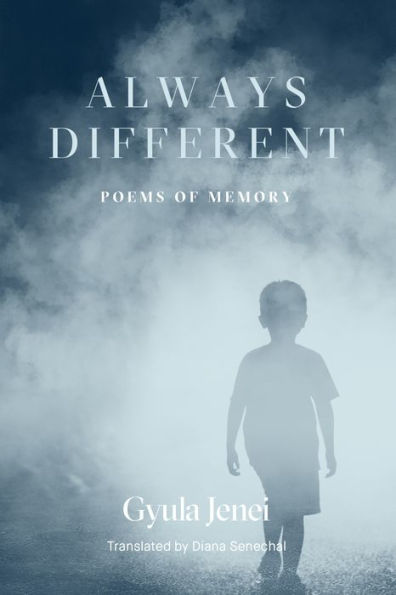
Always Different: Poems of Memory in Bloomington, MN
Current price: $15.95

Always Different: Poems of Memory in Bloomington, MN
Current price: $15.95
Loading Inventory...
Size: Paperback
The poems in Jenei’s collection
Always Different: Poems of Memory
grapple with childhood, memory, and time. The poet looks back forty years and imagines himself as a boy—the narrator of the poems—looking forward into the future. Thus the poems combine moments with sweeps of time, village scenes with rumblings of societal and technological change. In the tradition of Hungarian writers Péter Nádas and Ágota Kristóf, Jenei grapples with war and destruction, loneliness, desire, and loss. The literary historian Éva Bánki calls Jenei “one of the great masters of Hungarian free verse”—adding that his poems also hold an epic theme, “the strange underworld of the Kádár era, rural Hungary shown through a child’s eye.” Through their storytelling, searching, and rhythms, these poems take us into our communal yet private longing for self-knowledge, history, and home.
Always Different: Poems of Memory
grapple with childhood, memory, and time. The poet looks back forty years and imagines himself as a boy—the narrator of the poems—looking forward into the future. Thus the poems combine moments with sweeps of time, village scenes with rumblings of societal and technological change. In the tradition of Hungarian writers Péter Nádas and Ágota Kristóf, Jenei grapples with war and destruction, loneliness, desire, and loss. The literary historian Éva Bánki calls Jenei “one of the great masters of Hungarian free verse”—adding that his poems also hold an epic theme, “the strange underworld of the Kádár era, rural Hungary shown through a child’s eye.” Through their storytelling, searching, and rhythms, these poems take us into our communal yet private longing for self-knowledge, history, and home.
The poems in Jenei’s collection
Always Different: Poems of Memory
grapple with childhood, memory, and time. The poet looks back forty years and imagines himself as a boy—the narrator of the poems—looking forward into the future. Thus the poems combine moments with sweeps of time, village scenes with rumblings of societal and technological change. In the tradition of Hungarian writers Péter Nádas and Ágota Kristóf, Jenei grapples with war and destruction, loneliness, desire, and loss. The literary historian Éva Bánki calls Jenei “one of the great masters of Hungarian free verse”—adding that his poems also hold an epic theme, “the strange underworld of the Kádár era, rural Hungary shown through a child’s eye.” Through their storytelling, searching, and rhythms, these poems take us into our communal yet private longing for self-knowledge, history, and home.
Always Different: Poems of Memory
grapple with childhood, memory, and time. The poet looks back forty years and imagines himself as a boy—the narrator of the poems—looking forward into the future. Thus the poems combine moments with sweeps of time, village scenes with rumblings of societal and technological change. In the tradition of Hungarian writers Péter Nádas and Ágota Kristóf, Jenei grapples with war and destruction, loneliness, desire, and loss. The literary historian Éva Bánki calls Jenei “one of the great masters of Hungarian free verse”—adding that his poems also hold an epic theme, “the strange underworld of the Kádár era, rural Hungary shown through a child’s eye.” Through their storytelling, searching, and rhythms, these poems take us into our communal yet private longing for self-knowledge, history, and home.
Shop Similar Products
















Find at Mall of America® in Bloomington, MN
Visit at Mall of America® in Bloomington, MN