


Home
Agro-forestry systems for the recovery of degraded areas
Barnes and Noble
Loading Inventory...
Agro-forestry systems for the recovery of degraded areas in Bloomington, MN
Current price: $66.00

Agro-forestry systems for the recovery of degraded areas in Bloomington, MN
Current price: $66.00
Loading Inventory...
Size: OS
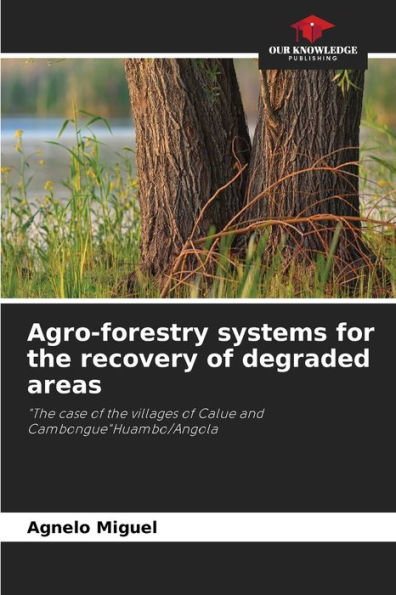
The main objective of this work was to make a diagnosis of the agro-environmental situation in the villages of Calue, Cambongue, Lungongo and Cacaca, belonging to the municipality of Caála, and to analyze the possibility of these farmers adopting and adapting Agro-Forestry Systems (SAF) as a way of recovering degraded areas. Agricultural practices were analyzed in the different types of ploughlands, i.e.: onaka (low ploughlands); ombanda (ploughlands located on the edges of the onaka); ongongos (high ploughlands) and in the otchumbo (backyard) and the impact of these practices on natural resources. The methodology used was surveys and semi-structured conversations. A total of 131 surveys were carried out (72 women and 59 men). The villages of Calue and Cambongue were our main object of study because they presented the worst picture in terms of deforestation, poor soil cover, the presence of ravines, and were in urgent need of a recovery plan. Most of the farmers surveyed in these villages, despite having different types of plough, choose to cultivate in the otchumbos, on the one hand because they are closer and make cultivation easier, and on the other hand because they benefit from the more fertile areas.
The main objective of this work was to make a diagnosis of the agro-environmental situation in the villages of Calue, Cambongue, Lungongo and Cacaca, belonging to the municipality of Caála, and to analyze the possibility of these farmers adopting and adapting Agro-Forestry Systems (SAF) as a way of recovering degraded areas. Agricultural practices were analyzed in the different types of ploughlands, i.e.: onaka (low ploughlands); ombanda (ploughlands located on the edges of the onaka); ongongos (high ploughlands) and in the otchumbo (backyard) and the impact of these practices on natural resources. The methodology used was surveys and semi-structured conversations. A total of 131 surveys were carried out (72 women and 59 men). The villages of Calue and Cambongue were our main object of study because they presented the worst picture in terms of deforestation, poor soil cover, the presence of ravines, and were in urgent need of a recovery plan. Most of the farmers surveyed in these villages, despite having different types of plough, choose to cultivate in the otchumbos, on the one hand because they are closer and make cultivation easier, and on the other hand because they benefit from the more fertile areas.
Shop Similar Products

















Find at Mall of America® in Bloomington, MN
Visit at Mall of America® in Bloomington, MN