


Home
A King Travels: Festive Traditions Late Medieval and Early Modern Spain
Barnes and Noble
Loading Inventory...
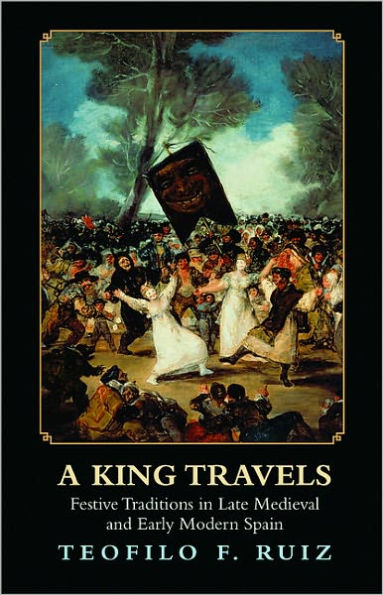
A King Travels: Festive Traditions Late Medieval and Early Modern Spain in Bloomington, MN
Current price: $110.00

A King Travels: Festive Traditions Late Medieval and Early Modern Spain in Bloomington, MN
Current price: $110.00
Loading Inventory...
Size: Hardcover
A King Travels
examines the scripting and performance of festivals in Spain between 1327 and 1620, offering an unprecedented look at the different types of festivals that were held in Iberia during this crucial period of European history. Bridging the gap between the medieval and early modern eras, Teofilo Ruiz focuses on the travels and festivities of Philip II, exploring the complex relationship between power and ceremony, and offering a vibrant portrait of Spain's cultural and political life.
Ruiz covers a range of festival categories: carnival, royal entries, tournaments, calendrical and noncalendrical celebrations, autos de fe, and Corpus Christi processions. He probes the ritual meanings of these events, paying special attention to the use of colors and symbols, and to the power relations articulated through these festive displays. Ruiz argues that the fluid and at times subversive character of medieval festivals gave way to highly formalized and hierarchical events reflecting a broader shift in how power was articulated in late medieval and early modern Spain. Yet Ruiz contends that these festivals, while they sought to buttress authority and instruct different social orders about hierarchies of power, also served as sites of contestation, dialogue, and resistance.
sheds new light on Iberian festive traditions and their unique role in the centralizing state in early modern Castile.
examines the scripting and performance of festivals in Spain between 1327 and 1620, offering an unprecedented look at the different types of festivals that were held in Iberia during this crucial period of European history. Bridging the gap between the medieval and early modern eras, Teofilo Ruiz focuses on the travels and festivities of Philip II, exploring the complex relationship between power and ceremony, and offering a vibrant portrait of Spain's cultural and political life.
Ruiz covers a range of festival categories: carnival, royal entries, tournaments, calendrical and noncalendrical celebrations, autos de fe, and Corpus Christi processions. He probes the ritual meanings of these events, paying special attention to the use of colors and symbols, and to the power relations articulated through these festive displays. Ruiz argues that the fluid and at times subversive character of medieval festivals gave way to highly formalized and hierarchical events reflecting a broader shift in how power was articulated in late medieval and early modern Spain. Yet Ruiz contends that these festivals, while they sought to buttress authority and instruct different social orders about hierarchies of power, also served as sites of contestation, dialogue, and resistance.
sheds new light on Iberian festive traditions and their unique role in the centralizing state in early modern Castile.
A King Travels
examines the scripting and performance of festivals in Spain between 1327 and 1620, offering an unprecedented look at the different types of festivals that were held in Iberia during this crucial period of European history. Bridging the gap between the medieval and early modern eras, Teofilo Ruiz focuses on the travels and festivities of Philip II, exploring the complex relationship between power and ceremony, and offering a vibrant portrait of Spain's cultural and political life.
Ruiz covers a range of festival categories: carnival, royal entries, tournaments, calendrical and noncalendrical celebrations, autos de fe, and Corpus Christi processions. He probes the ritual meanings of these events, paying special attention to the use of colors and symbols, and to the power relations articulated through these festive displays. Ruiz argues that the fluid and at times subversive character of medieval festivals gave way to highly formalized and hierarchical events reflecting a broader shift in how power was articulated in late medieval and early modern Spain. Yet Ruiz contends that these festivals, while they sought to buttress authority and instruct different social orders about hierarchies of power, also served as sites of contestation, dialogue, and resistance.
sheds new light on Iberian festive traditions and their unique role in the centralizing state in early modern Castile.
examines the scripting and performance of festivals in Spain between 1327 and 1620, offering an unprecedented look at the different types of festivals that were held in Iberia during this crucial period of European history. Bridging the gap between the medieval and early modern eras, Teofilo Ruiz focuses on the travels and festivities of Philip II, exploring the complex relationship between power and ceremony, and offering a vibrant portrait of Spain's cultural and political life.
Ruiz covers a range of festival categories: carnival, royal entries, tournaments, calendrical and noncalendrical celebrations, autos de fe, and Corpus Christi processions. He probes the ritual meanings of these events, paying special attention to the use of colors and symbols, and to the power relations articulated through these festive displays. Ruiz argues that the fluid and at times subversive character of medieval festivals gave way to highly formalized and hierarchical events reflecting a broader shift in how power was articulated in late medieval and early modern Spain. Yet Ruiz contends that these festivals, while they sought to buttress authority and instruct different social orders about hierarchies of power, also served as sites of contestation, dialogue, and resistance.
sheds new light on Iberian festive traditions and their unique role in the centralizing state in early modern Castile.
Shop Similar Products






Find at Mall of America® in Bloomington, MN
Visit at Mall of America® in Bloomington, MN