


Home
7 Movements: J.S. Bach, Sainte-Colombe - father & son
Barnes and Noble
Loading Inventory...
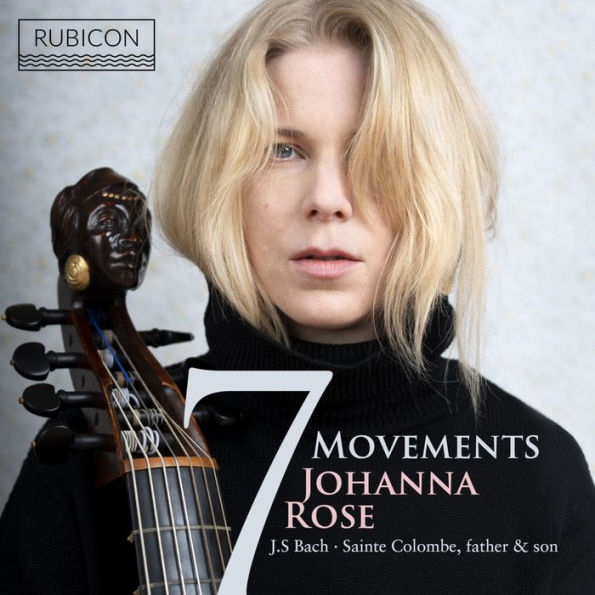

7 Movements: J.S. Bach, Sainte-Colombe - father & son in Bloomington, MN
Current price: $23.99

7 Movements: J.S. Bach, Sainte-Colombe - father & son in Bloomington, MN
Current price: $23.99
Loading Inventory...
Size: OS
In general,
Bach
might fairly be called a conservative composer, but rarely did he look backward as much as in his solo suites and sonatas for cello or violin. These works hark back to court traditions of inward chamber music that were on the decline by
's time. Here, viola da gamba player
Johanna Rose
draws a link specifically between
and the elusive 17th century gambist-composers known as Monsieur de Sainte-Colombe,
pere
("father," most of the works) et
fils
("son"). She not only assembles a new Sainte-Colombe gamba suite, consisting of pieces by both father and son but also adds Sainte-Colombe pieces onto either end of transcriptions of
suites for viola da gamba to form a seven-movement suite (this is the sense of the title, along with the fact that
Rose
plays the Saint-Colombe seven-string gamba). This idea might be questioned; there is no evidence that
knew the music of either Saint-Colombe, and although the French dance movements are common to all the composers, the flavor is different, but one doesn't have to buy
's concept to enjoy her playing, which is formidable.
sounds different on the viola da gamba, more delicate, less percussive, and she catches this difference elegantly. The transcriptions of the
suites are her own, and she renders the fantasy-like element in the music of the Sainte-Colombes well; sample the final Chaconne for an idea. A bonus is the
Rubicon
label's studio sound, an exemplary model for how to record the gamba. Recordings of the music of the Saint-Colombes, despite
Jordi Savall
's pioneering efforts, remain rare enough that this recording would be recommended in any case, but it has many attractions beyond that. ~ James Manheim
Bach
might fairly be called a conservative composer, but rarely did he look backward as much as in his solo suites and sonatas for cello or violin. These works hark back to court traditions of inward chamber music that were on the decline by
's time. Here, viola da gamba player
Johanna Rose
draws a link specifically between
and the elusive 17th century gambist-composers known as Monsieur de Sainte-Colombe,
pere
("father," most of the works) et
fils
("son"). She not only assembles a new Sainte-Colombe gamba suite, consisting of pieces by both father and son but also adds Sainte-Colombe pieces onto either end of transcriptions of
suites for viola da gamba to form a seven-movement suite (this is the sense of the title, along with the fact that
Rose
plays the Saint-Colombe seven-string gamba). This idea might be questioned; there is no evidence that
knew the music of either Saint-Colombe, and although the French dance movements are common to all the composers, the flavor is different, but one doesn't have to buy
's concept to enjoy her playing, which is formidable.
sounds different on the viola da gamba, more delicate, less percussive, and she catches this difference elegantly. The transcriptions of the
suites are her own, and she renders the fantasy-like element in the music of the Sainte-Colombes well; sample the final Chaconne for an idea. A bonus is the
Rubicon
label's studio sound, an exemplary model for how to record the gamba. Recordings of the music of the Saint-Colombes, despite
Jordi Savall
's pioneering efforts, remain rare enough that this recording would be recommended in any case, but it has many attractions beyond that. ~ James Manheim
In general,
Bach
might fairly be called a conservative composer, but rarely did he look backward as much as in his solo suites and sonatas for cello or violin. These works hark back to court traditions of inward chamber music that were on the decline by
's time. Here, viola da gamba player
Johanna Rose
draws a link specifically between
and the elusive 17th century gambist-composers known as Monsieur de Sainte-Colombe,
pere
("father," most of the works) et
fils
("son"). She not only assembles a new Sainte-Colombe gamba suite, consisting of pieces by both father and son but also adds Sainte-Colombe pieces onto either end of transcriptions of
suites for viola da gamba to form a seven-movement suite (this is the sense of the title, along with the fact that
Rose
plays the Saint-Colombe seven-string gamba). This idea might be questioned; there is no evidence that
knew the music of either Saint-Colombe, and although the French dance movements are common to all the composers, the flavor is different, but one doesn't have to buy
's concept to enjoy her playing, which is formidable.
sounds different on the viola da gamba, more delicate, less percussive, and she catches this difference elegantly. The transcriptions of the
suites are her own, and she renders the fantasy-like element in the music of the Sainte-Colombes well; sample the final Chaconne for an idea. A bonus is the
Rubicon
label's studio sound, an exemplary model for how to record the gamba. Recordings of the music of the Saint-Colombes, despite
Jordi Savall
's pioneering efforts, remain rare enough that this recording would be recommended in any case, but it has many attractions beyond that. ~ James Manheim
Bach
might fairly be called a conservative composer, but rarely did he look backward as much as in his solo suites and sonatas for cello or violin. These works hark back to court traditions of inward chamber music that were on the decline by
's time. Here, viola da gamba player
Johanna Rose
draws a link specifically between
and the elusive 17th century gambist-composers known as Monsieur de Sainte-Colombe,
pere
("father," most of the works) et
fils
("son"). She not only assembles a new Sainte-Colombe gamba suite, consisting of pieces by both father and son but also adds Sainte-Colombe pieces onto either end of transcriptions of
suites for viola da gamba to form a seven-movement suite (this is the sense of the title, along with the fact that
Rose
plays the Saint-Colombe seven-string gamba). This idea might be questioned; there is no evidence that
knew the music of either Saint-Colombe, and although the French dance movements are common to all the composers, the flavor is different, but one doesn't have to buy
's concept to enjoy her playing, which is formidable.
sounds different on the viola da gamba, more delicate, less percussive, and she catches this difference elegantly. The transcriptions of the
suites are her own, and she renders the fantasy-like element in the music of the Sainte-Colombes well; sample the final Chaconne for an idea. A bonus is the
Rubicon
label's studio sound, an exemplary model for how to record the gamba. Recordings of the music of the Saint-Colombes, despite
Jordi Savall
's pioneering efforts, remain rare enough that this recording would be recommended in any case, but it has many attractions beyond that. ~ James Manheim
Shop Similar Products







Find at Mall of America® in Bloomington, MN
Visit at Mall of America® in Bloomington, MN